Leadership in the Age of Remote Work: A Look at March 2022

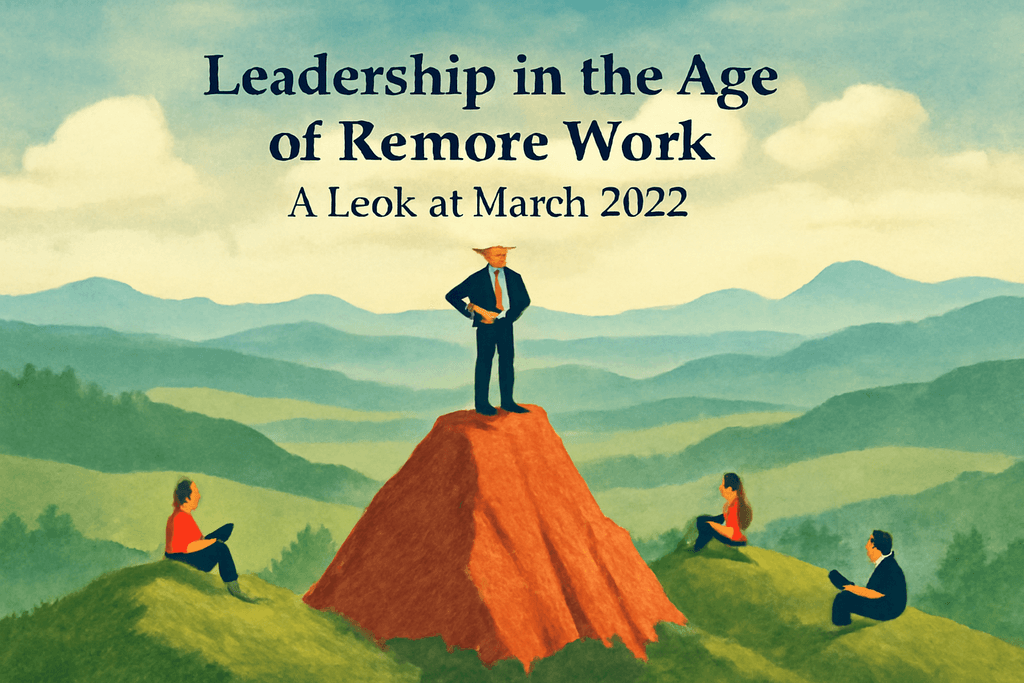
As March 2022 arrived, the workplace landscape had dramatically shifted. Remote and hybrid work models had firmly entrenched themselves as the norm for many companies across the United States. This period marked a turning point, as the first full quarter post-vaccine rollout for most organizations presented new challenges for CEOs to navigate. These challenges weren’t just about adjusting to a new way of working; they also required leaders to reconsider how to engage their workforce, cultivate corporate culture, and rethink policies to better support employees.
One of the most significant transformations in leadership during this period was the growing emphasis on mental health and wellbeing in the workplace. The pandemic had brought to the forefront the emotional and psychological toll on workers, and CEOs were increasingly recognizing the need to address this critical issue.
A New Era of Leadership: Mental Health at the Core
The leaders of major tech companies like Microsoft’s Satya Nadella and Google’s Sundar Pichai became vocal proponents of mental health initiatives. As remote and hybrid work environments took hold, both CEOs introduced expansive measures to prioritize the wellbeing of their employees. These initiatives included the integration of mental health resources, wellness programs, and other employee support systems.
In the months leading up to March 2022, there was a noticeable shift in how companies approached the mental health of their workforce. It became clear that investing in the emotional and mental wellbeing of employees was not just a gesture of goodwill but a smart business strategy. The link between mental health support and productivity, retention, and overall job satisfaction became undeniable.
The Rise of Employee Assistance Programs (EAPs)
Many companies, particularly in the tech sector, had long had employee assistance programs (EAPs) in place. However, March 2022 saw an expansion and evolution of these programs. Organizations began to expand the scope of their EAPs, offering not only counseling services but also stress management workshops, resources for managing work-life balance, and financial wellness programs.
For example, Microsoft rolled out a new set of mental health resources aimed at fostering a more holistic approach to employee care. This included not only access to therapy but also workshops focused on coping strategies, mindfulness, and managing burnout.
Likewise, Google committed to scaling up its employee wellness offerings by integrating mental health days into its policy framework. The company’s leadership communicated that flexibility in time off, coupled with a robust mental health support system, was critical to helping employees navigate the pressures of remote work.
Employee Flexibility: A Crucial Ingredient for Success
Another major shift in corporate leadership during March 2022 was the prioritization of flexibility. The pandemic had shown that employees could be productive outside of the traditional office environment, and now it was clear that companies had to embrace this new reality for the long haul.
Flexible work schedules became an integral part of retention strategies for many organizations. The ability for employees to set their own hours, work in an environment that suited them, and adjust their schedules based on personal needs was a key driver of employee satisfaction.
For instance, Microsoft and Google both made significant strides in offering employees more autonomy over their schedules. This shift reflected a larger understanding of the need for work-life balance and how essential it was for employees to maintain a sense of autonomy over their daily lives.
Employee Engagement and Retention: The Payoff
Effective leadership during March 2022 required not only addressing immediate challenges but also laying the groundwork for long-term employee engagement and retention. By embracing remote work, prioritizing mental health, and offering flexible policies, CEOs created an environment where employees felt valued and supported.
This approach led to tangible benefits. Companies that integrated flexible work options and mental health resources saw improvements in employee satisfaction, engagement, and retention. Workers, who had experienced the emotional toll of the pandemic, were more likely to remain loyal to organizations that demonstrated a commitment to their wellbeing.
Looking Ahead: The New Standard for Leadership
As CEOs like Nadella and Pichai navigated the complexities of a post-pandemic workforce, their focus on employee wellbeing set a precedent for what would become the new standard of leadership. By March 2022, it was clear that the success of hybrid and remote work was inextricably linked to how well leaders supported their employees’ mental health and work-life balance.
For businesses moving forward, the key takeaway was clear: employee wellbeing is not just a perk, but a fundamental part of a healthy, thriving workforce. Leaders who prioritized mental health and flexible policies reaped the rewards in the form of higher morale, improved retention rates, and a stronger corporate culture.
As the world continued to adjust to new working norms, March 2022 marked a pivotal moment in the evolution of leadership. It was a time when leaders not only adapted to remote work but also embraced it as an opportunity to redefine what it meant to support and lead a team.

CEO Times Contributor
Covers leadership, business strategy, entrepreneurship, and the people building innovative companies.
This article features partner, contributor, or branded content from a third party. Members of the CEO Times editorial staff were not involved in the creation of this content. All views and opinions are those of the contributor alone.