
Leadership in Perspective: An Interview with Fejsal Mustafi, CEO of BFM

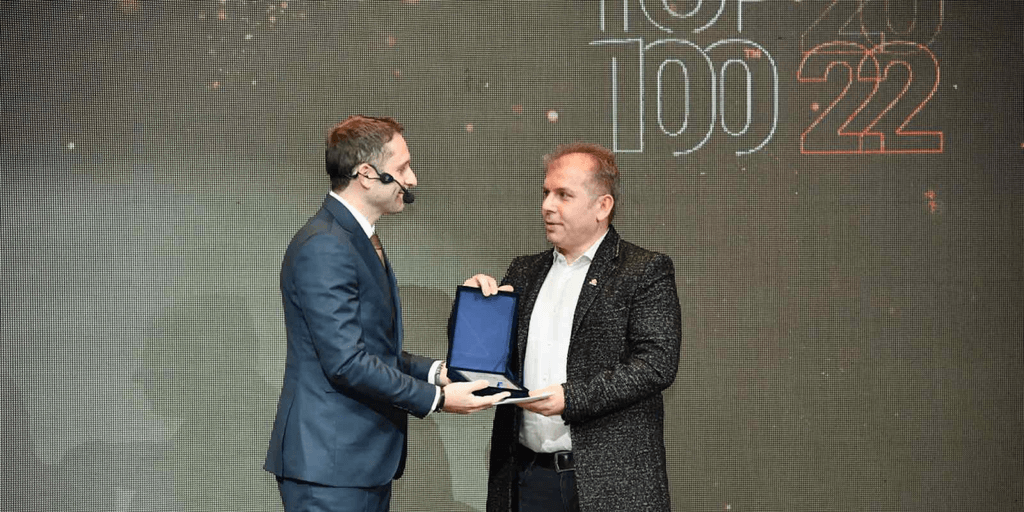
Fejsal Mustafi’s leadership journey showcases resilience, innovation, and a strong cultural commitment at BFM.
Fejsal Mustafi, the CEO of BFM, has led the company for over two decades, navigating numerous challenges, overcoming risks, and ensuring sustainable growth. From humble beginnings to becoming an industry leader, Mustafi’s story is a testament to vision, adaptability, and an unyielding commitment to core values. His approach to leadership transcends traditional business strategies, focusing not just on profits but on the lasting impact BFM leaves on its employees, clients, and the industry. In an exclusive interview, Mustafi opens up about the trials, turning points, and philosophies that have shaped his remarkable leadership journey.
Early Lessons and Formative Experiences
Mustafi’s journey to success wasn’t an easy one. Reflecting on the company’s early years, he recalls a time when their first project failed almost immediately. “It wasn’t that the idea lacked potential, but that we didn’t yet have the systems, discipline, and right people to execute it,” he says. “That’s when I learned something that has followed me my entire life: vision without execution is just an illusion.”
This early setback didn’t break him but became the foundation upon which BFM was built. “Failure is not shameful; it’s a lesson. It’s the fastest way to learn,” he adds. From this experience, Mustafi focused on creating a company culture rooted in strong processes, capable people, and a commitment to testing ideas in the real world before making substantial investments.
When Leadership Becomes Responsibility
There was a pivotal moment when Mustafi realized the full weight of leadership. “It was during a liquidity crisis in the early years. Bills were piling up, payroll was in doubt, and the entire team was looking at me for answers,” he recalls. “That’s when I understood that leadership is not a choice you take or leave. It’s a responsibility you cannot escape, especially when people’s lives and their families depend on your leadership.”
This realization turned leadership into a deep sense of duty for Mustafi. It wasn’t just about making strategic decisions but ensuring his team’s well-being and growth through every trial.
Personal Influences and Foundations
Mustafi credits much of his personal growth and leadership perspective to his father, despite his father not being a businessman. “My father taught me that your word and your character matter more than any contract. Contracts protect paper, but trust and integrity protect relationships.” This lesson has guided Mustafi in every negotiation and partnership he’s made, shaping the company’s philosophy of integrity over all else.
If Not a CEO…
A surprising revelation in the interview came when Mustafi was asked what he would be doing if he weren’t the CEO of BFM. “I’d be a teacher,” he says with a smile. “I have a passion for sharing knowledge, for seeing others grow. In a way, even as a CEO I’m a teacher, only my classroom is the company, and my students are the team.”
This teaching mindset has allowed him to nurture a company culture that emphasizes continuous learning, growth, and mentorship, key elements that set BFM apart from its competitors.
Tough Decisions and Sacrifices
Leadership often requires hard decisions, and Mustafi recalls one such moment when BFM had to shut down a division that employed dozens of people. “It was emotionally heavy, but necessary to save the company,” he admits. “If we hadn’t done it, we would have risked everything. Today, seeing BFM stronger and more resilient, I know that decision, as painful as it was, was the right one.”
This sacrifice illustrates the tough reality of leadership, where personal emotions must sometimes give way to what’s best for the future of the organization.
Balancing Data and Intuition
A unique aspect of Mustafi’s leadership approach is how he balances data with intuition. “Data shows me where we are. Instinct shows me where we need to go. Both are essential. If you only follow instinct, you take reckless risks. If you only follow data, you risk becoming rigid. A leader must see data as a mirror and intuition as a compass.”
This balanced approach has served BFM well, allowing them to stay agile while also being methodical in their decision-making.
Decision-Making in Times of Crisis
During times of crisis, Mustafi relies on a simple but effective framework to guide him. “I rely on three questions: What is the truth? What is urgent? What is important long term? If you answer these, you gain clarity even in the middle of chaos.”
These questions have allowed Mustafi to maintain calm and make sound decisions under pressure, something that has been crucial in BFM’s success and survival through turbulent times.
Staying Accountable
One of the challenges that come with leadership is holding yourself accountable. Mustafi acknowledges this reality and has a process in place to ensure accountability. “I have an advisory board that doesn’t hold back on criticism. Beyond that, I encourage my senior leaders to challenge me. Leadership without accountability is just arrogance. No one is above questions or critique.”
This transparency fosters an environment of trust and mutual respect, making BFM a stronger company in the long run.
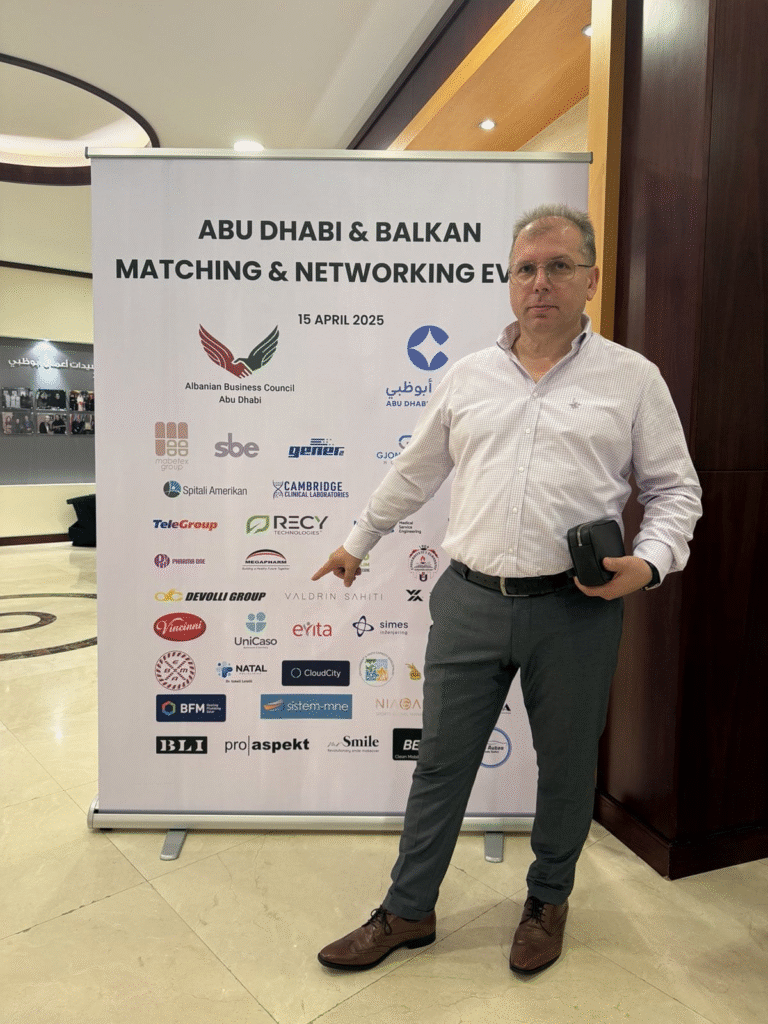
The Real Challenge of Scaling
As BFM scaled, Mustafi realized that maintaining a strong company culture was the hardest challenge. “Culture. Capital, technology, and clients can be found. But maintaining culture during growth is the hardest battle. If you lose culture, you lose everything that sets you apart from the competition.”
For Mustafi, the company’s culture of trust, integrity, and shared purpose remains the bedrock of their success, especially as the company continues to grow and evolve.
A Risk That Paid Off
One of the biggest risks BFM took was investing heavily in digitization early on when the market wasn’t ready. “We lost money, and people doubted us. But today that has positioned us as an industry leader. It was a huge risk, rewarded only because we had patience.”
This long-term thinking has allowed BFM to maintain its competitive edge and stay ahead of the curve in an increasingly digital world.
Legacy and Long-Term Value
When asked about his legacy, Mustafi is clear: “The reliability we’ve built. We are not just a service provider; we are a trusted partner. The biggest gap would be the absence of that trust.” This focus on trust and reliability has set BFM apart and has been a key factor in their long-term success.
He emphasizes that BFM is not just about short-term revenue but about building lasting value. “We measure our projects not just by revenue, but by impact. The question I always ask is: ‘If this project ends, have we built something that remains?’ If the answer is no, then it’s just short-term profit, not real value.”
Culture and People
As the CEO, Mustafi places great importance on the people he hires and the culture they contribute to. “True cultural fit shows in crises. Anyone can smile when things go well, but it’s how you react when things go wrong that matters.”
Above all, integrity is the core value that Mustafi will never compromise. “We can lose money, but we will never compromise trust or ethics.”
Conclusion
Fejsal Mustafi’s leadership philosophy is a powerful reminder that success is built on resilience, responsibility, and unwavering values. His commitment to integrity, culture, and long-term value has shaped BFM into a company that goes beyond just being a business, it’s a legacy of trust, innovation, and impact. For leaders looking to build lasting success, Mustafi’s story offers invaluable lessons in leadership, perseverance, and vision.
Explore more about BFM’s journey and leadership insights at www.bfm.com.mk, follow them on Facebook or Instagram.

CEO Times Contributor
Covers leadership, business strategy, entrepreneurship, and the people building innovative companies.
This article features partner, contributor, or branded content from a third party. Members of the CEO Times editorial staff were not involved in the creation of this content. All views and opinions are those of the contributor alone.