
Kia Unveils ‘Plan S 2030’: Driving Global Growth through Electrification and New Product Lines

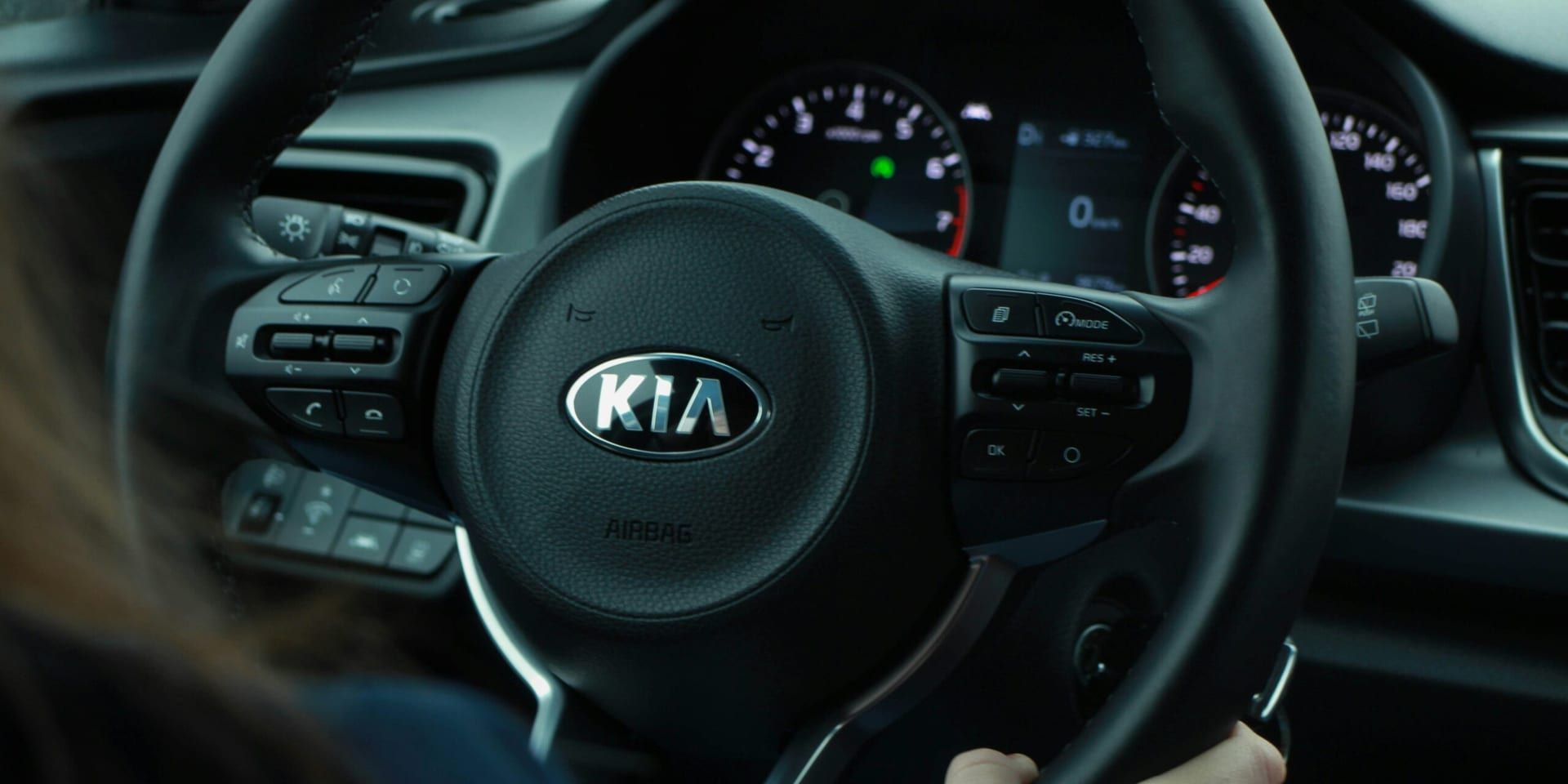
Kia Corporation has unveiled a comprehensive and ambitious roadmap designed to position the company at the forefront of the global automotive industry’s electrification era. Dubbed “Plan S 2030,” the strategy was introduced earlier this year by CEO Ho Sung Song during Kia’s 2025 Investor Day and reflects the company’s bold pivot from traditional car manufacturing toward a diversified, technology-driven mobility future.
The plan outlines Kia’s targets for reaching 4.19 million global vehicle sales by the end of the decade—an increase from current levels—with electric vehicles (EVs) and hybrids forming the core of that growth. Of the total projected sales, Kia plans to deliver 1.26 million battery electric vehicles and nearly 1 million hybrid electric vehicles annually by 2030. These targets align with broader industry trends as automakers race to meet rising demand for low-emission vehicles and comply with increasingly stringent global climate regulations.
Financially, Kia is targeting more than KRW 170 trillion (approximately $130 billion USD) in revenue by 2030, supported by a projected operating margin exceeding 10%. To fuel this growth, the company has committed KRW 42 trillion in capital investments from 2025 to 2029, with nearly half earmarked for future mobility and electrification projects.
A cornerstone of the Plan S strategy is the expansion into purpose-built vehicles (PBVs)—specialized platforms designed for logistics, ride-hailing, last-mile delivery, and fleet use. Kia is targeting 250,000 annual PBV sales by 2030 and plans to introduce modular PBV models optimized for different commercial needs. This push is intended to solidify Kia’s presence in the service-based mobility market, where scalability and customization are increasingly important.
In North America, where the demand for light trucks and pickups remains strong, Kia is preparing to launch a new line of electric pickup trucks, including a full-scale production version of the Tasman, with a sales target of 80,000 units per year. These pickups will compete directly with offerings from Ford, Tesla, Rivian, and GM, and are expected to support Kia’s North American market share in the EV transition.
Read also: https://ceotimes.com/justin-hotard-appointed-ceo-of-nokia-to-advance-ai-driven-network-strategy/
On the consumer front, Kia has outlined a robust EV rollout plan that includes the EV3, EV4, and EV5—scheduled to debut in 2025—followed by the larger EV7 and EV9 in subsequent years. These models are intended to offer a range of options across segments, from affordable urban commuters to family-sized SUVs, all equipped with advanced connectivity, autonomous driving support, and over-the-air software updates.
“This is not just an EV rollout—it’s a full-scale transformation of our business model,” said CEO Ho Sung Song. “We are preparing Kia for a new era of mobility, one that is sustainable, technologically advanced, and globally competitive.”
Kia’s Plan S 2030 also places emphasis on agility and diversification. The company aims to reduce its reliance on any single product category by spreading its investments across vehicle platforms, energy solutions, autonomous driving technology, and mobility-as-a-service (MaaS) offerings. In addition, the plan includes strategic collaborations with key partners in batteries, semiconductors, and software—such as LG Energy Solution and Hyundai Motor Group—to secure long-term supply chains and boost production efficiency.
Analysts view Kia’s strategy as a realistic yet aggressive response to an automotive landscape being reshaped by climate policies, consumer expectations, and digital transformation. The integration of commercial, passenger, and mobility service vehicles under one strategic vision distinguishes Kia from many of its competitors.
As global automakers face increased pressure to meet emissions targets and compete in the evolving EV market, Kia’s holistic approach—anchored in both volume sales and innovative services—may prove to be a critical competitive advantage in the years ahead.

CEO Times Contributor
Covers business, innovation, and leadership, with a particular interest in entrepreneurs and emerging brands.
This article features partner, contributor, or branded content from a third party. Members of the CEO Times editorial staff were not involved in the creation of this content. All views and opinions are those of the contributor alone.