
Home Depot’s Second-Quarter Results Put U.S. Consumer Demand and Home Improvement Market in Focus

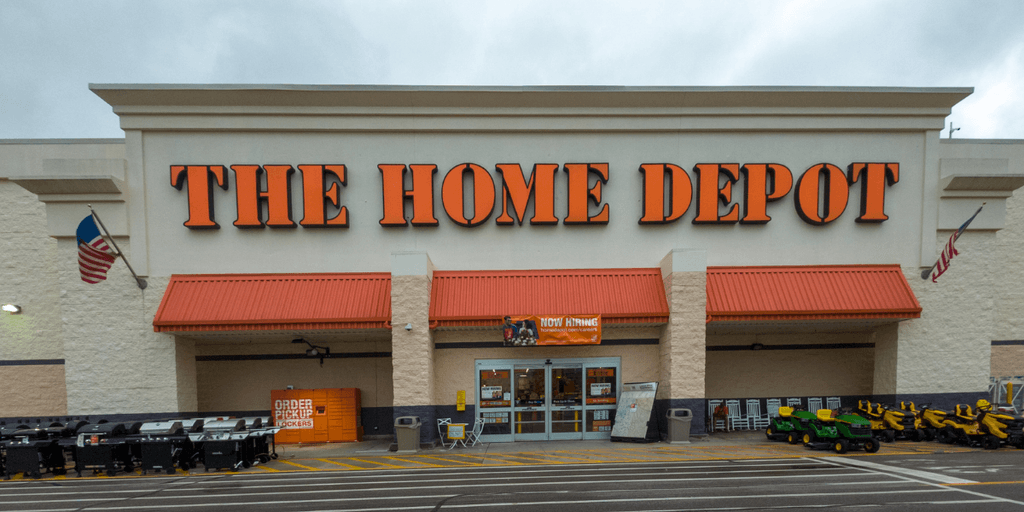
Home Depot’s second-quarter 2026 earnings update on August 18 is providing a fresh look at consumer demand, home improvement spending and the operating environment facing one of the largest retailers in the United States.
The company’s quarterly performance is significant because Home Depot serves two major customer groups: individual homeowners and professional contractors. Its results can therefore provide broader insight into spending on renovations, repairs, construction supplies and other home-related projects.
For business leaders and executives, the report offers an opportunity to examine how consumer priorities are evolving and how large retailers are adapting their strategies to changing market conditions.
Why Home Depot’s Performance Matters
Home Depot is one of the largest home improvement retailers in the United States, with a nationwide network of stores and a substantial professional customer base. The company generated $164.7 billion in sales during fiscal 2025, demonstrating the scale of its role in the U.S. retail and home improvement economy.
Because of that scale, changes in the company's sales and customer activity can offer useful signals about broader market conditions. Stronger demand can indicate continued willingness among consumers and contractors to spend on home projects, while weaker activity can suggest that customers are postponing major purchases or becoming more selective.
The second-quarter results are particularly relevant following the company's first-quarter performance. Home Depot reported $41.77 billion in revenue during the first quarter of fiscal 2026, while comparable sales increased 0.6%. The figures indicated continued sales activity but also reflected an environment in which growth remained measured.
Consumer Spending Remains Important
Consumer spending is a major factor for Home Depot because many home improvement projects can be delayed when households become more cautious about expenses.
Smaller repairs and maintenance purchases may remain necessary, but larger projects such as kitchen renovations, bathroom upgrades and major remodeling work can be postponed. This creates an important distinction between essential spending and discretionary spending within the home improvement market.
Financing costs can also influence decisions. Homeowners considering significant renovation projects may evaluate whether the expected benefits of a project justify the expense, particularly when borrowing costs remain an important consideration.
For executives across the retail industry, this makes customer behavior an important area to monitor. Businesses must understand not only how much customers are spending, but also what they are purchasing and why.
Professional Customers Are a Strategic Priority
Another important element of Home Depot’s business strategy is its focus on professional customers.
Contractors, builders, remodelers and other professional buyers can generate recurring demand for building materials, tools and supplies. Their purchasing behavior can differ substantially from that of individual consumers, making the professional market an important source of long-term business opportunities.
Home Depot has continued investing in its professional customer operations and distribution capabilities. The strategy reflects a broader effort to strengthen relationships with customers who may make frequent and larger purchases.
For business leaders, the approach illustrates the value of customer segmentation. Companies operating in competitive markets can benefit from understanding the distinct needs of different customer groups rather than treating their entire customer base as a single market.
Leadership Continuity Also Matters
Home Depot’s quarterly update comes during a period of temporary leadership change.
Chief Executive Officer Ted Decker announced earlier in August that he would take a temporary medical leave of absence and was expected to return within several months. During his absence, Chief Financial Officer Richard McPhail and Senior Executive Vice President of U.S. Stores and Operations Ann-Marie Campbell were assigned to jointly oversee company operations.
The situation highlights an important corporate governance issue: leadership continuity.
Large organizations need clear responsibilities and established succession plans so that operations can continue effectively when senior executives are temporarily unavailable. Maintaining stability during a leadership transition can be particularly important when a company is managing a complex retail network and changing market conditions.
What the Results Mean for Business Leaders
Home Depot’s second-quarter performance provides several lessons for executives.
First, revenue growth should not be viewed in isolation. Comparable-store sales, customer mix, margins and management commentary can provide a more complete understanding of a company's performance.
Second, customer segmentation remains critical. Professional customers and individual homeowners may respond differently to economic conditions, meaning businesses should closely monitor the behavior of their most important customer groups.
Third, strategic flexibility is increasingly important. Retailers must balance immediate consumer demand with investments designed to support longer-term growth.
Finally, leadership continuity should remain part of corporate planning. Clear responsibilities and experienced management teams can help organizations maintain stability during unexpected leadership changes.
A Broader View of the U.S. Retail Environment
Home Depot’s results offer more than a snapshot of one company. They provide another indication of how businesses connected to housing, construction and consumer spending are navigating the current environment.
The home improvement sector sits at the intersection of several important parts of the U.S. economy, including household spending, construction activity and property investment. Changes in demand can therefore affect retailers, suppliers, contractors and other businesses connected to the industry.
For executives, the key takeaway is the importance of watching customer behavior closely while maintaining disciplined business strategies. Home Depot’s second-quarter performance will help clarify how consumers and professional buyers are approaching home improvement spending and how the company is positioning itself for the remainder of 2026.
As the U.S. retail market continues to evolve, companies that combine customer insight, operational discipline and adaptable strategies will be better positioned to respond to changing demand.

CEO Times Contributor
Covers business, innovation, and leadership, with a particular interest in entrepreneurs and emerging brands.
This article features partner, contributor, or branded content from a third party. Members of the CEO Times editorial staff were not involved in the creation of this content. All views and opinions are those of the contributor alone.