
Global Logistics Firms Turn to AI to Solve Supply Chain Bottlenecks

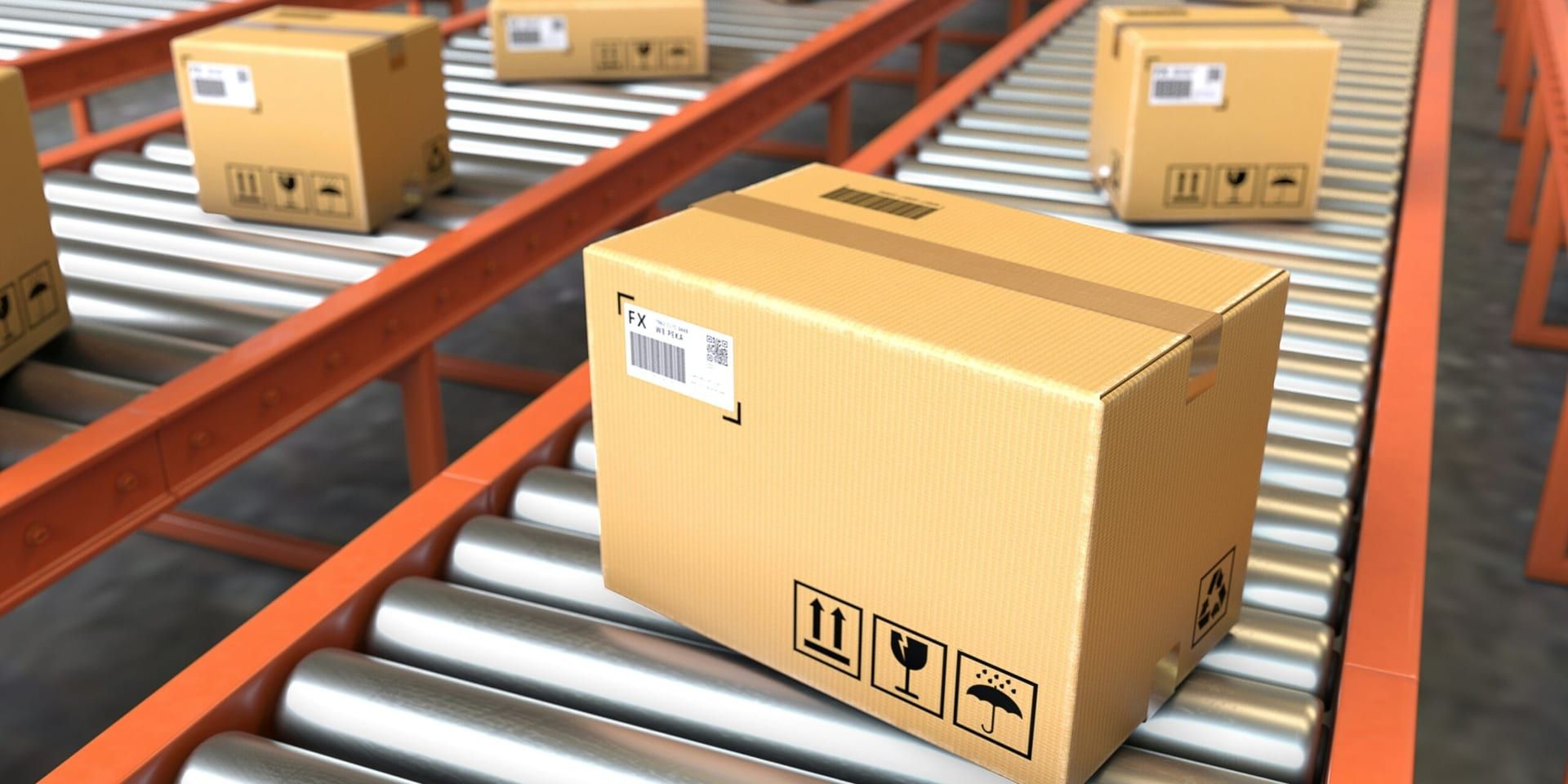
Major logistics players such as FedEx and DHL are increasingly embracing artificial intelligence (AI) to address persistent supply chain bottlenecks—particularly congestion at U.S. and European ports caused by labor shortages and weather-related disruptions. This AI-driven transformation spans predictive analytics, digital twins, autonomous scheduling, warehouse robotics, and dynamic route optimization.
A significant trend seen across the industry is rapid AI expansion: the global AI in logistics market has reportedly reached approximately $20.8 billion by 2025, growing at a compound annual growth rate (CAGR) of around 45% since 2020. About 78% of supply-chain leaders report substantial operational improvements following AI adoption.
FedEx is leveraging AI to sharpen delivery estimates. Its deep-learning models—including weather and traffic data—have enhanced predictive accuracy. The company is exploring generative-AI chatbots to assist customers with queries like tariff classifications. Additionally, FedEx has invested in Nimble, an AI robotics firm, to boost automation in its fulfillment network for small and medium enterprises. Robotics also play a growing role: FedEx has deployed two-armed “DexR” robots for truck loading, tackling complex loading patterns.
At DHL, AI enhancements are visible across logistics hubs. AI-powered sorting robots from Dorabot, dubbed “DHLBots,” have increased sorting capacity by about 40% in locations such as Miami, with deployments expanding in the Asia-Pacific region. DHL has also adopted Boston Dynamics’ Stretch robots to automate unloading trailers at multiple sites, achieving nearly double the speed of human workers. The company is additionally integrating edge-AI and computer-vision systems to enable smarter warehouse monitoring, anomaly detection, and autonomous robotics .
Predictive analytics and digital twins are also emerging as mainstream tools. According to a whitepaper by DP World, AI-powered digital replicas of cargo flows, port operations, and logistics infrastructure can foresee disruptions, optimize routes, and support sustainability goals. Other firms like Logility deploy AI-based simulation platforms for real-time network adjustments during demand fluctuations or delays. In warehouses, digital twins allow simulation of inventory scenarios, predictive maintenance, layout optimization, and just-in-time fulfillment.
Last-mile delivery solutions are also being transformed. Companies like Amazon, UPS, Veho, and Dispatch utilize AI for dynamic route adjustments based on traffic, weather, delivery time windows, and driver capacity. For instance, Amazon’s “Wellspring” generative-AI tool analyzes satellite images, building layouts, and historical delivery data to guide drivers to optimal drop-off locations. UPS uses AI in its “DeliveryDefense” system to predict and mitigate porch piracy in high-risk zones. Veho’s machine-learning models handle quality assurance by flagging delivery irregularities based on images and geocodes, improving customer satisfaction and reducing service calls.
Analysts forecast AI usage in logistics will increase over 30% this year, with applications like predictive analytics, digital twins, and autonomous scheduling rapidly becoming standard . A report notes AI-derived cost reductions of 15%, inventory decreases of 35%, and warehouse performance improvements—all while supporting sustainability objectives.
However, AI adoption still faces hurdles—such as high initial investments, integration with legacy systems, and the need for scalable infrastructure. Even so, cost-savings and resilience gains are driving projects forward. For example, Celonis’s generative-AI platform assisted firms like Mars in optimizing truckload consolidation, reducing manual efforts by 80% and cutting emissions.
These advancements are playing out amid ongoing port congestion driven by labor scarcity and weather disruptions. Analysts view AI not merely as a tool for smoothing short-term delays but as a foundational shift in supply chain management. AI enables real-time rerouting, predictive maintenance, and autonomous systems that can adapt instantly to fluctuating conditions—critical for future resilience.
In conclusion, as global trade expands and complexity increases, logistics firms are embedding AI across operations, from ports to last-mile delivery. This transformation is spurred by practical ROI in cost reduction, service reliability, speed, and sustainability. With continued investment and technological maturity, AI is set to revolutionize supply chains—shifting from pilot programs to essential infrastructure.

CEO Times Contributor
Covers global markets, corporate finance, and the executive careers built on them.
This article features partner, contributor, or branded content from a third party. Members of the CEO Times editorial staff were not involved in the creation of this content. All views and opinions are those of the contributor alone.