

Entrepreneurship Through Acquisition allows entrepreneurs to acquire and operate established businesses, focusing on long-term growth and community impact.
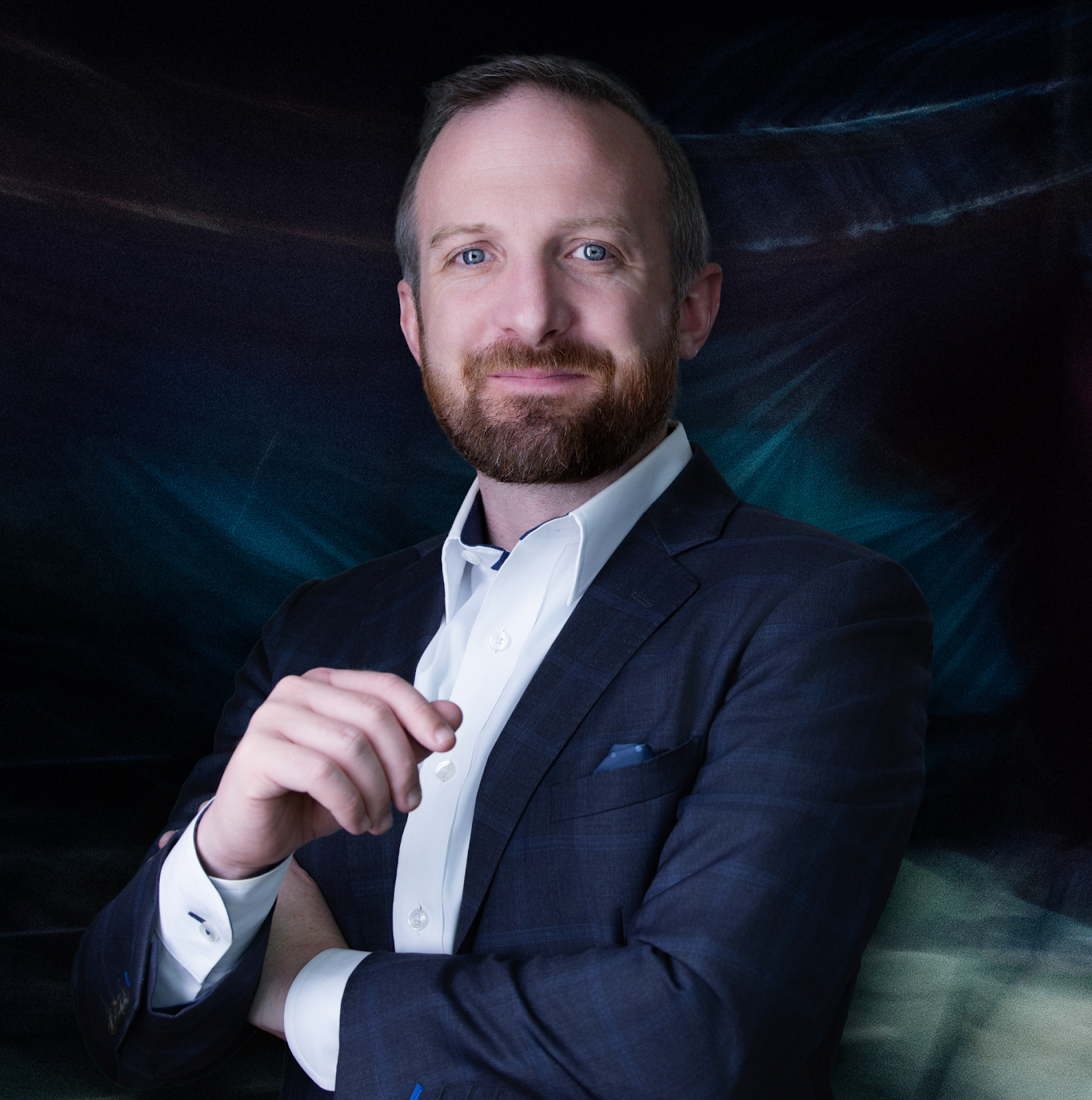
In today’s dynamic business environment, ETA is reshaping how some companies change hands. Instead of building a business from the ground up, entrepreneurs pursuing ETA acquire an existing company and take responsibility for leading its next chapter. One entrepreneur pursuing this model is Ben Ersing, founder of 2c9 Ventures, who is seeking to acquire and operate a single established business for the long term.
For many business owners, selling a company they have spent decades building is about more than valuation alone. While private equity firms and strategic buyers play an important role in the market, some owners prefer the idea of transitioning their business to an individual owner-operator who will personally lead the company going forward.
The Rise of Entrepreneurship Through Acquisition (ETA)
Entrepreneurship Through Acquisition has become an increasingly visible model as more entrepreneurs look to acquire established businesses rather than start from scratch. By stepping into an existing operation, they can build on established customer relationships, proven business models, and experienced teams while introducing new ideas and leadership.
For Ersing, the model reflects a belief that business ownership carries a broader responsibility. “I believe business is personal, and it’s one of the most powerful ways to positively impact communities,” he says. “When I acquire a business, I’m not just looking for quick profits. I’m looking to preserve what has been built and help it continue to thrive.”
The approach emphasizes long-term stewardship rather than short-term financial engineering. The goal is to build on a company’s existing strengths while supporting employees, customers, and the communities that rely on the business.
Why Some Owners Consider an Owner-Operator Transition
For small business owners considering a sale, the process can feel complex and uncertain. Transactions often involve large institutions or strategic buyers whose priorities may differ from those of the founder.
An owner-operator model offers a different type of transition. Instead of selling to an institution, the seller transfers leadership directly to an individual who will take over day-to-day responsibility for the company.
“When I acquire a business, I’m interested in continuing its legacy and keeping leadership close to the company and its people,” Ersing says. “It’s about ensuring the business remains strong for employees, customers, and the community.”
This type of transition can allow founders to step away knowing that the company will continue under hands-on leadership.
Evaluating the Potential Buyer
Owners considering an owner-operator transition often evaluate a buyer’s operating background and long-term intentions.
“In any deal type, it’s more than just a momentary transaction. It’s a business relationship. It’s important for sellers to know the potential buyer’s motives and ability to operate the company they spent their lives building,” says Ersing.
Ersing brings an operator-investor background. Over the course of his career, he has built and led teams of up to 25 people and worked across multiple leadership and management functions. That experience spans a range of environments from owner-led small businesses to private equity-backed companies, large publicly traded organizations, and investment funds. The exposure to different operating environments has helped shape an approach focused on operational discipline and long-term growth.
In ETA, because an acquisition involves a single owner-operator rather than a large institution, the transition process can be more collaborative, with the incoming owner working closely with the seller during the handoff. “It’s important to get to know each other,” Ersing says.
 A Long-Term Approach to Ownership
For business owners exploring succession options, owner-operators like Ersing represent one of several possible paths forward. Rather than selling to a larger institution or strategic buyer, some founders prefer a transition to an individual who will take on the responsibility of leading the company personally.
For Ersing, the objective is straightforward: “I want to build businesses that make a positive impact on their communities – do that well, and financial results follow,” he says. “This is about creating opportunities, supporting employees, and ensuring the long-term sustainability of businesses people rely on every day.”
Ben can be reached on LinkedIn or at info(at)2c9ventures.com.