
Ecogear Reimagines The Modern Carry-On

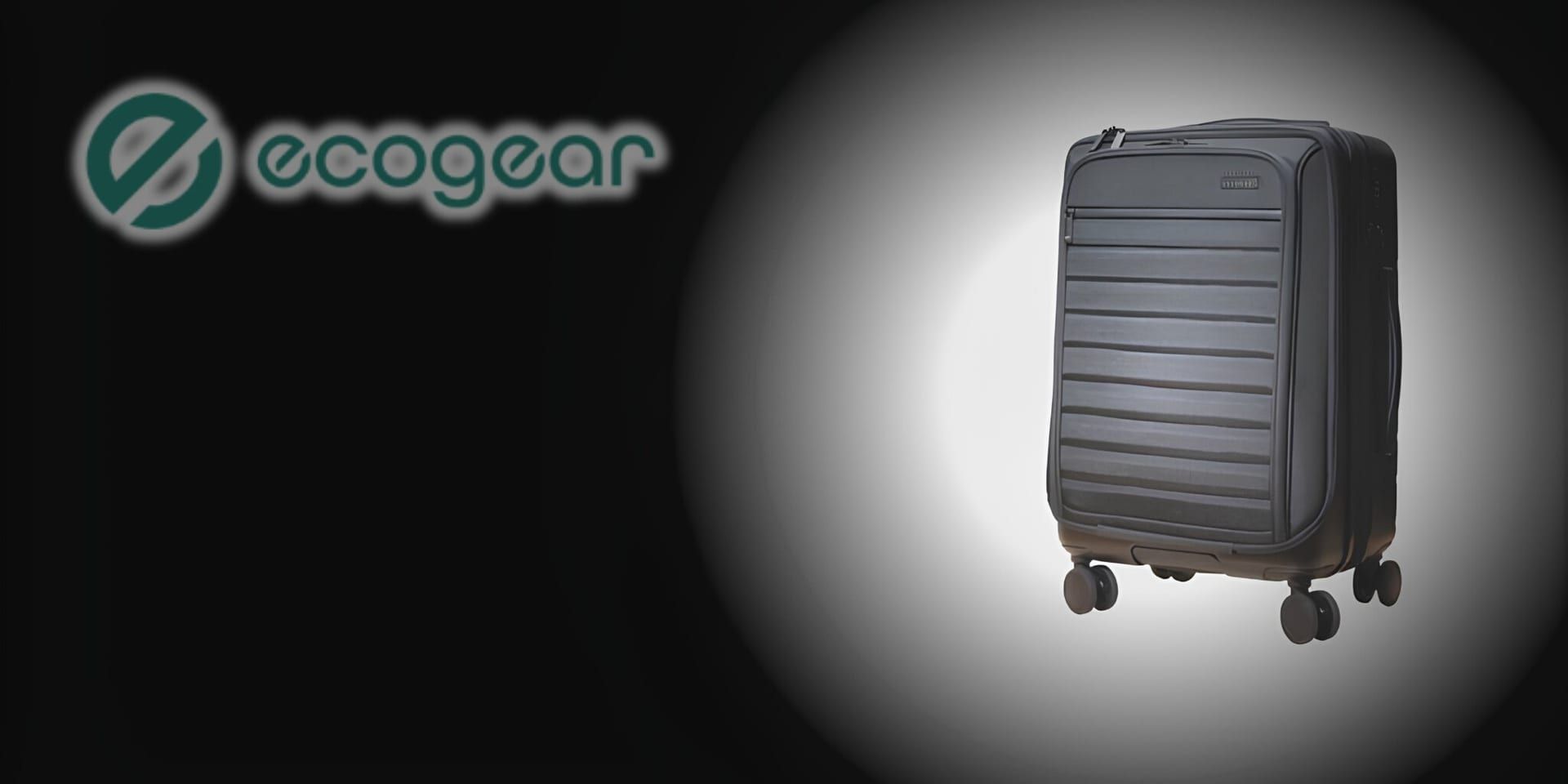
Jimmy Chen built Ecogear luggage to challenge premium pricing with smarter design and lasting travel value.
Jimmy Chen had spent decades inside the travel goods industry before he decided to challenge it. He had seen the design rooms, the supplier meetings, the branding decisions, and the margins that turned ordinary bags into expensive status symbols. After nearly 29 years developing travel goods for leading global brands, he reached a clear conclusion: consumers were often paying too much for too little. That conviction became the foundation for Ecogear luggage, a value-driven brand built to give travelers durability, function, and confidence without the inflated price tag.
Why Ecogear Luggage Began With A Frustration
Chen did not enter the luggage market as an outsider with a trend to chase. He entered it as a veteran who knew how the industry worked from the inside. For years, he watched direct-to-consumer brands and retailers market sleek pieces at premium prices while building markups around overhead, branding campaigns, and expensive development structures. The result, in his view, was a market where travelers paid for the illusion of innovation more often than innovation itself.
That frustration became useful. Instead of simply criticizing the system, Chen chose to build an alternative. Ecogear was created to answer a simple but demanding question: what would luggage look like if a founder prioritized the traveler first? The answer was not another fashion-forward shell with a logo. It was a patent-pending Hybrid design that combines the durability of hard-shell luggage with the functional access of a soft-front panel. For frequent travelers, parents, professionals, and weekend explorers, that difference matters before the trip begins and long after the wheels hit the airport floor.
The Ecogear Hybrid Carry-On reflects that philosophy in practical detail. It includes three compartments, eight pockets, a padded 15-inch laptop sleeve, and a 25 percent expansion panel. Its Hinomoto 360-degree wheels and YKK zippers are the kind of components industry insiders recognize for performance and reliability. Its RPET fabric lining is made from recycled plastic bottles, adding an environmental consideration without turning sustainability into a marketing gimmick. Each element serves the same point: better luggage should make travel easier, not merely look good in photos.
[IMAGE: https://bizweekly.com/wp-content/uploads/2026/06/download-44.jpeg]
A Patent-Pending Hybrid Built For Real Travel
The turning point for Chen was not only a product idea. It was a decision to take a leap of faith. After building, designing, and selling goods in the luggage industry for nearly three decades, he believed he could create what many travelers had been missing: a carry-on with the protective strength of a hard side and the easy-access function of a soft side. That hybrid concept became the heart of Ecogear luggage and the clearest expression of Chen’s approach.
Traditional hard-shell luggage has a familiar advantage. It protects. Yet it can be rigid, awkward to access, and less forgiving when a traveler needs to reach a laptop, jacket, charger, or travel document in a crowded terminal. Soft-side luggage offers pockets and flexibility, but it may not deliver the same structured durability. Ecogear was designed to bridge that gap. The hard-shell back protects the structure, while the soft-front panel creates useful access. This combination gives travelers organization and strength in one piece, rather than forcing them to choose.
That distinction is especially valuable because modern travel is rarely smooth. Flights change. Overhead bins fill. Business travelers move from airport lounges to client meetings. Families pack for multiple needs at once. A bag that opens thoughtfully, expands when needed, and rolls reliably can remove friction from the entire journey. Ecogear’s design answers those moments with features that are easy to understand and even easier to appreciate when the trip becomes stressful.
Chen’s commitment also extends to price. The brand positions its carry-on at around $200, creating a direct contrast with higher-priced competitors in the premium luggage category. That does not mean the product is stripped down. Rather, Ecogear aims to deliver materials and details usually associated with more expensive luggage while avoiding unnecessary markups. The goal is not to be cheap. The goal is to be fair, useful, and built around what travelers actually need.
The Never Stranded Guarantee
A luggage warranty often looks reassuring on a product page, but travelers understand the real problem. A warranty claim after a trip does not help when a wheel fails in another city or a zipper breaks before a meeting. Chen designed the Never Stranded Guarantee to address that exact fear. If Ecogear luggage breaks while a customer is on vacation or a business trip, the company says it will send a replacement to the traveler’s destination.
That promise reveals the deeper identity of the brand. Ecogear luggage is not only selling compartments, wheels, zippers, and recycled lining. It is selling relief. It is selling the ability to move through travel with one less thing to worry about. For a founder who has spent most of his professional life around travel goods, that kind of promise carries weight because it comes from understanding what failure feels like when a traveler is far from home.
The lifetime warranty adds another layer of confidence. In a market where many products are designed to be replaced, Ecogear is positioned around long-term use. The brand also offers free shipping and donates 1 percent of sales to environmental initiatives through 1% for the Planet, according to its website summary. Together, those choices form a brand promise that blends value, responsibility, and service. None of it works, however, unless the luggage itself earns trust. That is why Chen’s industry knowledge matters. He knows which components are worth paying for and which features merely decorate a spec sheet.
There is also a human story beneath the product strategy. Chen could have continued working inside the established system. Instead, he chose to challenge it with a product tied to his name, his experience, and his belief that travelers deserve better. That kind of founder-led accountability changes how a brand feels. It is not a committee chasing a trend. It is an experienced builder putting his reputation behind a better answer.
Value Without The Premium Markup
Today, Ecogear stands apart because it is built on practical rebellion. It challenges the idea that premium travel goods must come with luxury markups. It also challenges the idea that sustainability, durability, and function have to sit in separate categories. The Hybrid Carry-On brings those priorities together in a form that feels simple, useful, and accessible.
Ecogear’s vision extends beyond its flagship Hybrid Carry-On. Building on the same design philosophy, the company plans to expand its lineup with an Everyday Carry Backpack and a 28-inch Check-In Luggage, which will allow top access directly rather than the clam shell design, both slated for release in Fall 2026. Rather than adding products simply to broaden its catalog, Chen says each new design is intended to solve practical travel challenges while maintaining the same balance of durability, thoughtful organization, premium components, and accessible pricing that define the brand today. The planned expansion reflects Ecogear’s long-term goal of becoming a complete travel gear brand without losing the customer-first approach that inspired its founding.
As Ecogear grows its product lineup, travelers comparing the brand with established premium luggage companies may find the question becomes even clearer. Do they want to pay mainly for brand recognition, or do they want a carry-on designed by someone who has spent nearly three decades understanding how luggage succeeds and fails? Ecogear’s answer is direct. It offers a patent-pending design, premium-grade components, organized storage, expansion capacity, recycled lining, and a service promise built for real emergencies.
That is why Ecogear luggage resonates with people who want more than a stylish shell. It speaks to the traveler who wants to pack smarter, move faster, protect essentials, and avoid paying for industry excess. It appeals to the person who sees value not as the lowest price, but as the strongest combination of quality, function, and trust. Most of all, it reflects Chen’s belief that a better bag can make the entire journey feel more controlled.
The luggage industry may be crowded, but Ecogear’s story is unusually clear. A veteran saw a broken value equation and built a product to correct it. He combined hard-side protection with soft-side utility. He chose recognized components where they matter. He backed the product with a lifetime warranty and a guarantee designed for the moments when travelers need help most. In doing so, Jimmy Chen turned frustration into a brand with a compelling promise: travel gear should serve the traveler first.
Those interested in a founder-built alternative can explore Ecogear’s Hybrid Carry-On today while looking ahead to the brand’s planned Fall 2026 launch of the Everyday Carry Backpack and 28-inch Hybrid Check-In Luggage. Together, these products reflect Chen’s ongoing commitment to building practical travel gear that puts travelers—not industry markups—first.
Explore More About Ecogear

CEO Times Contributor
Covers leadership, business strategy, entrepreneurship, and the people building innovative companies.
This article features partner, contributor, or branded content from a third party. Members of the CEO Times editorial staff were not involved in the creation of this content. All views and opinions are those of the contributor alone.