
Doctor Ruffin And The Cost Of Hidden Stability

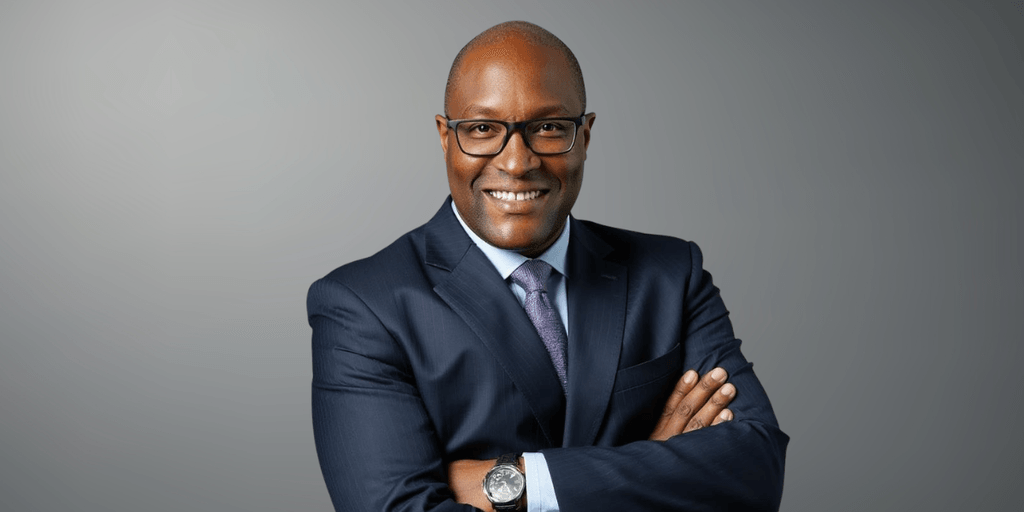
Doctor Ruffin helps leaders see whether their culture is built on systems or sacrifice.
There was a season when Quincy K. Ruffin was expected to keep moving while almost everything around him could have stopped him. He was working, parenting, researching, and writing his way through a doctoral program when he received a Stage IV cancer diagnosis. At the same time, he was navigating ADHD, studying organizational culture, and reflecting on more than 20 years inside high-pressure institutions. That season did not produce a simple story about grit. It produced Doctor Ruffin, a body of work built around a harder truth: resilience is powerful, but it should never become an excuse for organizations to keep placing unbearable weight on their most capable people.
Doctor Ruffin Began Inside The Current
Doctor Ruffin did not arrive at organizational culture through theory alone. Before becoming an author, educator, and organizational culture strategist, Dr. Quincy K. Ruffin spent more than two decades in law enforcement as an officer, detective, investigator, trainer, and sergeant. He came to understand how institutions behave under pressure, how informal norms shape formal decisions, and how leadership choices influence trust, belonging, accountability, and performance.
That experience placed him close to the contradictions many organizations prefer not to name. Institutions often publish strong commitments to fairness, equity, employee well-being, and public trust. Yet inside those same systems, people may experience confusion, silence, unequal burdens, and expectations that were never written into policy. Ruffin saw that gap not as a collection of isolated personnel issues, but as evidence of culture operating beneath the surface.
As a Black law-enforcement leader and community member, he also carried another layer of complexity. He understood institutional expectations from the inside while also understanding the history, concern, and distrust held by many in the Black community. That lived tension later shaped his doctoral research at Baylor University, where he earned a Doctor of Education in Learning and Organizational Change. His scholarship examined dual allegiance, social identity, and self-categorization among Black police officers.
“I did not develop these frameworks from the observation deck,” Ruffin has said. “I developed them while standing in the current.” That sentence captures the core of Doctor Ruffin. His work comes from the briefing room, the classroom, the research room, and the spaces where institutional promises meet human consequences.
Recognized As Best Organizational Culture Consultant In 2026
Quincy K. Ruffin, Ed.D., has been recognized as the “Best Organizational Culture Consultant in the San Francisco Bay Area of 2026” by BestofBestReview.com, recognizing his work in organizational culture, leadership development, and institutional change.
The recognition reflects Ruffin’s focus on helping leaders understand the visible and hidden forces shaping workplace culture. Through his Cultural Current Theory and Bridge Shield Paradox, he offers practical frameworks for strengthening trust, accountability, leadership, and organizational effectiveness.
Cultural Current Theory Names What Leaders Miss
The framework most closely associated with Doctor Ruffin is Cultural Current Theory. It explains organizational culture through the metaphor of a river. The Visible Current, sometimes described as the Surface Current, includes policies, mission statements, public values, training programs, strategic plans, and official commitments. These are the things leaders can point to when they describe who the organization claims to be.
Beneath that surface runs the Undercurrent. This is where informal norms, unspoken expectations, power relationships, institutional memory, bias, fear, loyalty, and repeated behavioral patterns shape what actually happens. When the Visible Current and the Undercurrent move together, institutions gain clarity, trust, momentum, and legitimacy. When they move in opposite directions, people feel the drag. Employees may disengage. Communities may lose confidence. Leaders may believe they are steering toward one destination while the institution is quietly carrying everyone somewhere else.
This is where Ruffin’s work becomes both practical and uncomfortable. He argues that culture is not defined by what an organization publishes. It is revealed through what it repeatedly rewards, tolerates, ignores, and protects. A statement of values may inspire people, but repeated behavior teaches them what is real.
Doctor Ruffin helps leaders examine that behavior before misalignment becomes a crisis. Through consulting, executive education, speaking, training, and organizational assessment, he gives institutions tools to diagnose the distance between intention and experience. His approach serves law enforcement, healthcare, education, government, business, technology, and community-based organizations. Across those sectors, the central question remains consistent: What culture are leaders actually creating?
His work also reflects a discipline often missing from organizational change. Ruffin does not treat training as the finish line. He has described many leaders as excellent at setting up the joke, earning credentials, attending sessions, and collecting frameworks, but failing to deliver the punch line. For him, the punch line is impact. It is the benefit that hard work should create for people, institutions, and society.
Doctor Ruffin Exposes Borrowed Stability
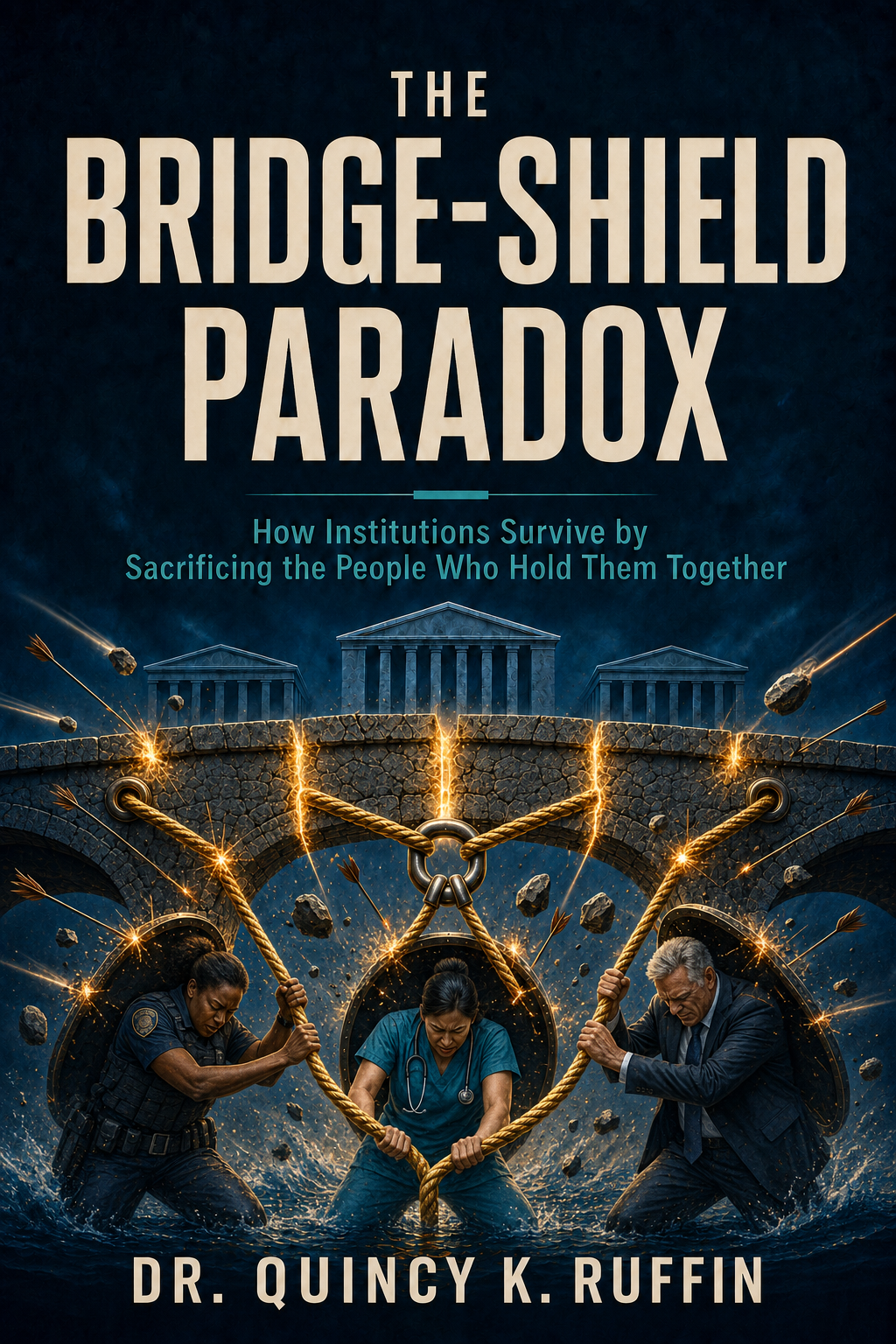
Ruffin’s second major framework, the Bridge-Shield Paradox, addresses a hidden cost inside many organizations. Some people become the informal infrastructure that keeps institutions from feeling the full consequences of their own design problems. They translate confusing directives, preserve relationships, calm conflict, protect trust, and keep the mission moving when formal systems fail.
They are bridges because they connect leaders and employees, institutions and communities, policy and practice, or stated commitments and lived experience. They are shields because they absorb the frustration, criticism, emotional strain, moral pressure, and reputational damage caused by misalignment. The paradox is that the better they perform this work, the less pressure the organization feels to fix the conditions that created the burden.
“Most organizations do not have a people problem,” Ruffin has said. “They have a design problem being temporarily solved by exceptional people.” That insight runs through his book The Bridge-Shield Paradox: How Institutions Survive by Sacrificing the People Who Hold Them Together. It also shapes his consulting work, where he helps leaders distinguish structural stability from borrowed stability.
Structural stability comes from sound systems, distributed accountability, proper authority, adequate resources, and trustworthy institutional practices. Borrowed stability exists when an organization appears healthy because one or more exceptional people are quietly compensating for weak design. The surface may look calm, but the system is depending on private sacrifice.
This distinction is central to the Doctor Ruffin brand. He helps leaders identify who is holding the organization together, what they are absorbing, whether they have authority equal to their responsibility, and what would happen if they left. “My goal is to help organizations stop mistaking indispensable people for sustainable systems,” he has said.
Ruffin’s credibility extends beyond theory. He is the author of Cultural Current for Law Enforcement Leaders, The AI Paradox: How Culture, Code, and Control Collide, and The Bridge-Shield Paradox. His scholarly work includes the peer-reviewed article “#BlackGirlMagic: Impact of the Social Media Movement on Black Women’s Self-Esteem.” He has presented as an invited panelist at Stanford School of Medicine on social determinants of health, implicit bias, and racism in medical encounters. He also co-developed a medical-education curriculum on stereotype threat and implicit bias that was adopted by dermatology departments at Northwestern University, Harvard Medical School, and the University of Pennsylvania.
His collaborative dermatology research received the 2022 Shaping the Future of Dermatology Award from the Skin of Color Science Symposium. He has also served in leadership, mentoring, advisory, and public information roles across professional and community organizations. Yet the force behind the résumé is personal. Ruffin grew up in a community once widely described as one of the most dangerous in the country. He survived cancer while completing a doctorate. He navigated ADHD while building scholarly and professional work. During the same graduation season, his daughter earned her bachelor’s degree, his son earned his high school diploma, and Ruffin earned his doctorate. All three have ADHD.
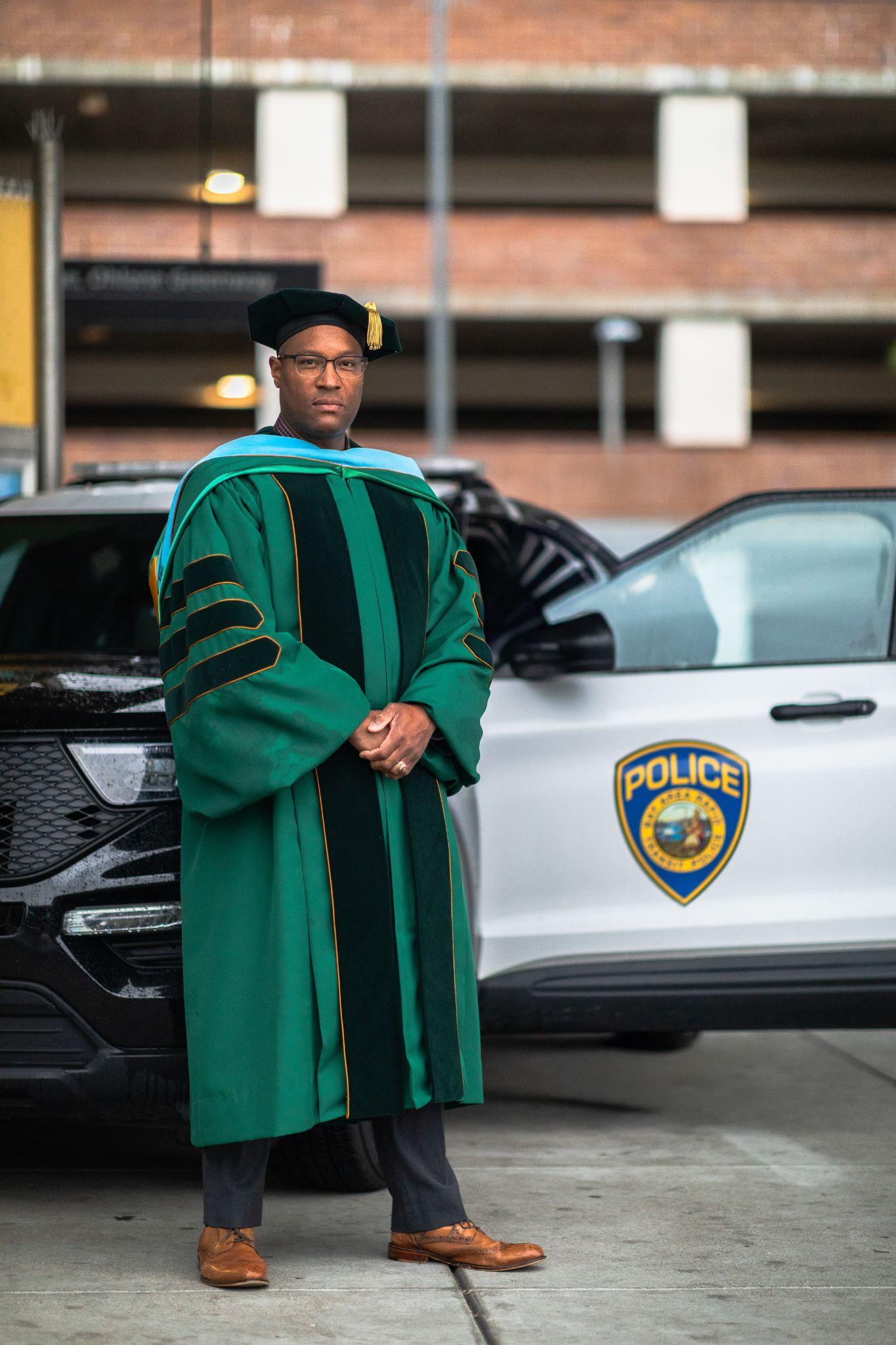
Those milestones suggest that people can adapt, persist, and achieve when they refuse to let diagnosis, circumstance, or institutional barriers define the boundary of possibility. They also reinforce one of Ruffin’s most urgent lessons for leaders: celebrating resilience is not the same as building systems where people can thrive without being crushed.
For leaders facing disengagement, mistrust, conflict, turnover, implementation failure, or cultural drift, Doctor Ruffin offers a sharper way to see the organization. His work helps teams move from vague concern to clear diagnosis, from symbolic values to accountable behavior, and from borrowed stability to sustainable systems. To explore his books, speaking, consulting, leadership tools, and organizational frameworks, visit Doctor Ruffin and begin asking the question every serious leader must answer: Are you steering the current, or are your people surviving it for you?
Explore More About Doctor Ruffin
Connect with Doctor Ruffin, and LinkedIn.

CEO Times Contributor
Covers leadership, business strategy, entrepreneurship, and the people building innovative companies.
This article features partner, contributor, or branded content from a third party. Members of the CEO Times editorial staff were not involved in the creation of this content. All views and opinions are those of the contributor alone.