
DeepSeek Marks the Start of the AI Revolution

The Rise of DeepSeek: A New Era in Artificial Intelligence
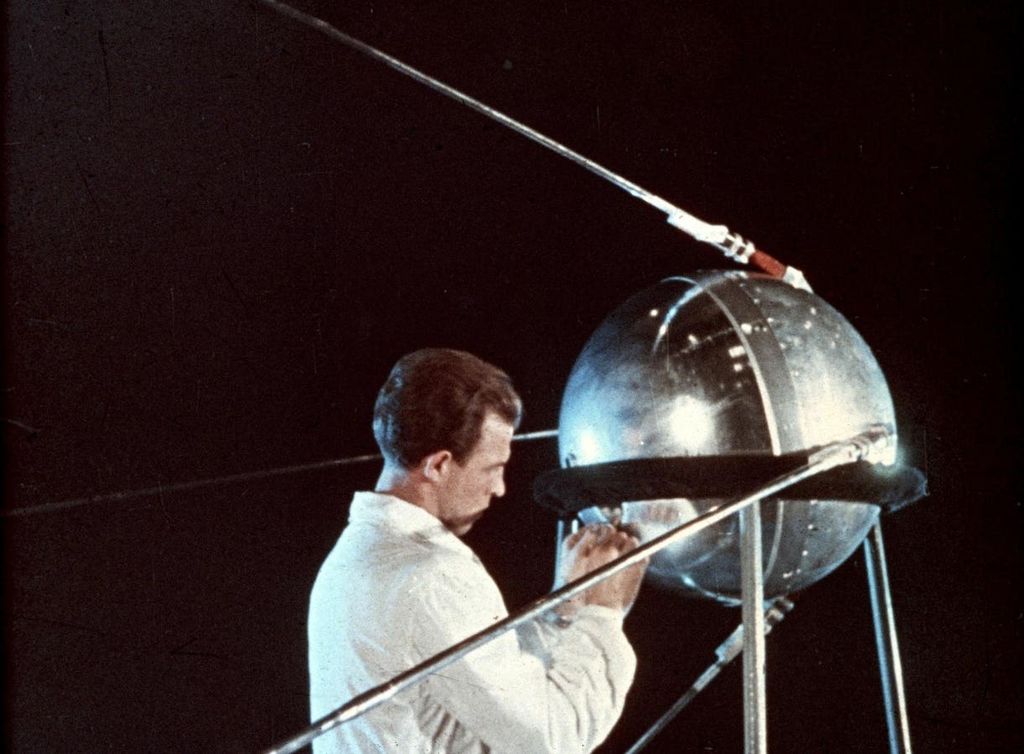
In a surprising turn of events, the Chinese artificial intelligence company DeepSeek has emerged as a pivotal player in the tech landscape, alarmingly drawing attention from investors and industry experts alike. Notably described by venture capitalist Marc Andreessen as China’s “Sputnik moment,” DeepSeek’s entrance into the AI arena illustrates the rapidly evolving competition between global tech giants.
Historic Comparisons and Opportunities
DeepSeek’s progress in AI technology is reminiscent of the historical space race, where the Soviet Union’s successful launch of Sputnik took many by surprise, challenging the belief that the U.S. held an unassailable lead. Similarly, DeepSeek’s achievements signal a potential shift in the global AI landscape, where traditional Western dominance may be under threat.
Understanding how DeepSeek managed this feat largely in secrecy raises questions in an interconnected world. Unlike the isolated development of Sputnik in the 20th century, DeepSeek’s breakthrough hints at a significant strategic effort to mask its advancements amidst global scrutiny.
The Efficiency of DeepSeek’s Technology
One notable advantage that DeepSeek possesses is its cost efficiency. The company reportedly trained its AI models using only about 3% of the investment that OpenAI allocated for the development of ChatGPT. Remarkably, this was accomplished without access to top-tier NVIDIA chips, which face export restrictions by the U.S. government. This efficiency is underscored by the substantial drop in NVIDIA’s market capitalization, which saw a reduction of $589 billion following the announcements related to DeepSeek.
The insights gained from DeepSeek could alter perceptions within the AI community. The company’s model demonstrates that developing powerful AI systems does not necessarily require the same level of financial or technological resources once thought imperative. This trend may lead to an exponential increase in the availability of AI technologies, particularly in mobile applications.
Long-Term Implications for Energy Consumption
Historically, the consensus has been that the proliferation of AI technologies would require increasingly robust energy sources. With DeepSeek’s resource-efficient approach, the traditional belief may need reevaluation. However, theories like the Jevons Paradox suggest that greater efficiency could lead to an increase in overall energy demand, complicating the narrative around AI resource consumption.
Market Dynamics and Future Considerations
DeepSeek’s emergence is not just a turning point but potentially the beginning of a protracted competition in the AI sector. While the technology appears promising, it does not signal the end of rivals like OpenAI. Instead, it emphasizes that the field of AI is in its nascent stages, much like the dot-com boom of the late 1990s. Factors such as market dynamics, geopolitical influences, and investment strategies will play pivotal roles in shaping the future.
The announcement of DeepSeek coinciding with the inauguration of U.S. President Donald Trump and the introduction of a new mega-fund for American AI development aligns with broader trade tensions, highlighting the interwoven nature of technology and politics.
Conclusion: A Marathon Ahead
Investors and stakeholders are advised to remain cautious and refrain from hastily concluding the implications of DeepSeek’s advancements. While technological shifts can foster creativity and progress, it is essential to recognize that the landscape of artificial intelligence is still unfolding, suggesting a marathon rather than a sprint lies ahead in this critical race for innovation.

CEO Times Contributor
Covers leadership, business strategy, entrepreneurship, and the people building innovative companies.
This article features partner, contributor, or branded content from a third party. Members of the CEO Times editorial staff were not involved in the creation of this content. All views and opinions are those of the contributor alone.