
Corporate Earnings Reveal Caution Amid Trade Disruptions

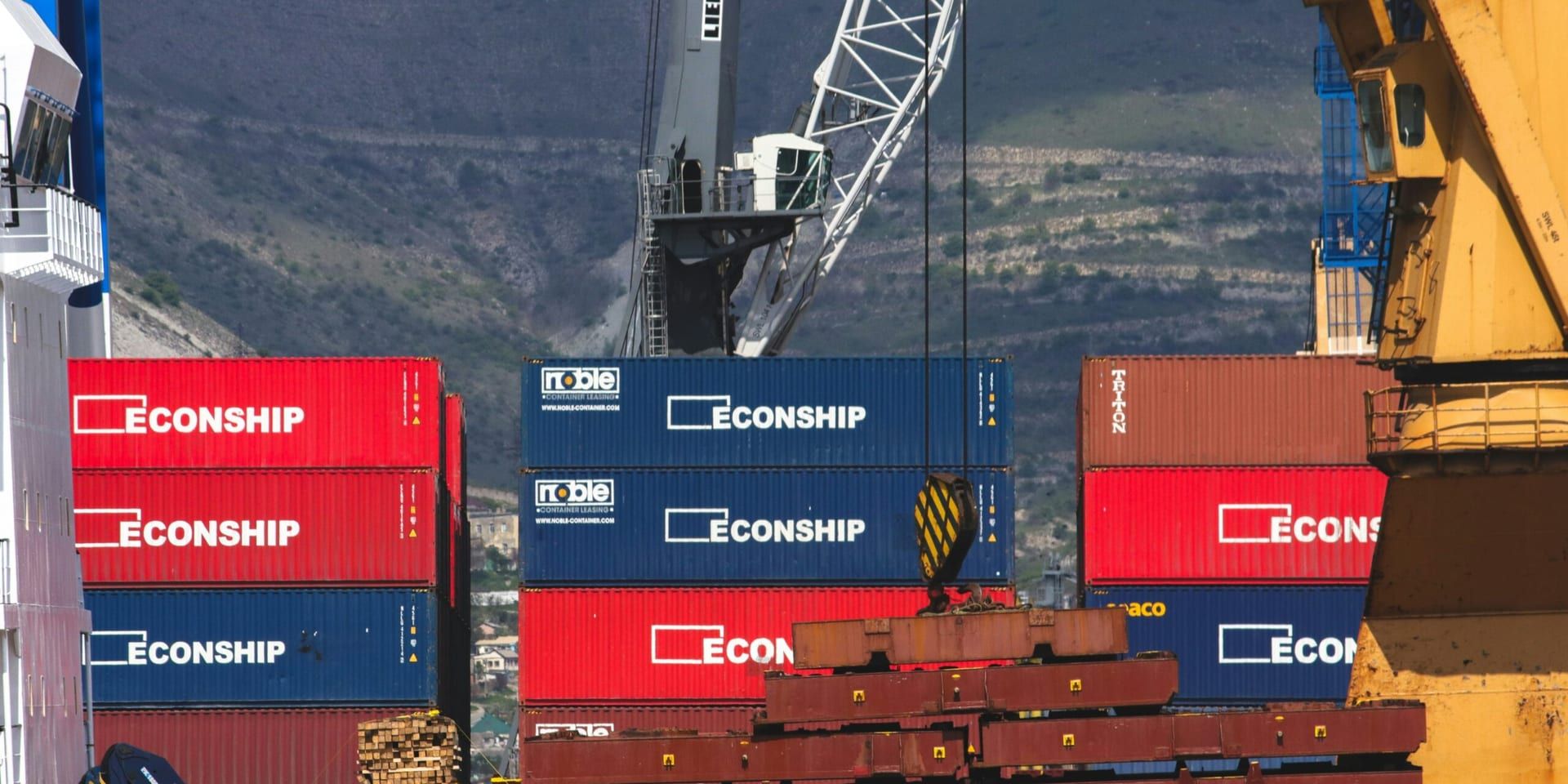
First-quarter earnings from major U.S. multinationals have revealed a cautious outlook for the remainder of 2025, despite strong topline revenue. Companies including Procter & Gamble, General Motors, and PepsiCo are scaling back profit forecasts and adjusting supply strategies in response to rising logistics costs and mounting supply chain instability, much of it attributed to recent U.S. trade policies and retaliatory tariffs.
Procter & Gamble reported that it expects to incur up to $1.5 billion in additional costs this year due to increased tariffs on imported materials and packaging. While its revenue for the first quarter met expectations, the company reduced its full-year forecast, citing persistent inflation in logistics and raw materials. In a statement to investors, CFO Andre Schulten explained that while P&G has pricing power, supply chain adjustments require time and the company is focusing on operational efficiency to preserve margins.
PepsiCo echoed similar concerns in its quarterly earnings call. The beverage and snack giant downgraded its earnings forecast for the year, moving from projected mid-single-digit EPS growth to a potential 3% decline. CEO Ramon Laguarta emphasized that elevated aluminum and transport costs have weighed heavily on margins. Although PepsiCo managed a modest increase in net revenue, the drop in organic volumes and inflationary pressures prompted analysts to lower their valuation outlooks.
General Motors, while posting strong vehicle sales for the first quarter, also flagged higher-than-expected shipping and parts costs. In particular, executives pointed to tariff-related delays affecting semiconductor components and electrical parts sourced from Asia. GM has opted to slow the pace of new plant investments while reconfiguring its supplier contracts to focus more heavily on domestic sourcing. This shift reflects a broader trend among U.S. manufacturers now accelerating “reshoring” strategies to buffer against global trade disruptions.
Market reactions were swift. Shares of all three companies declined in the days following their earnings reports, reflecting investor concern that broader economic pressures may soon erode profit margins across the corporate sector. Analysts from Goldman Sachs and Morgan Stanley noted that while revenues remain relatively resilient, the combination of cost inflation, policy uncertainty, and cautious guidance is dampening enthusiasm for near-term growth across consumer staples and industrials.
Beyond these flagship firms, similar themes have emerged in sectors like consumer goods, automotive, and packaged food. Many corporations are implementing cost-cutting measures, tightening inventories, and delaying major capital expenditures until tariff policies become more stable. Retailers and food producers, in particular, have begun to warn of potential product shortages and pricing adjustments if global supply networks remain under stress through the second half of the year.
Some companies have responded by accelerating investments in regional manufacturing hubs. For instance, several food and beverage conglomerates are fast-tracking construction of packaging and bottling plants in the Midwest and Southeast to reduce dependency on overseas inputs. Others are engaging new domestic suppliers, though many warn that this transition will take several quarters to yield efficiency gains.
Despite the near-term headwinds, some executives remain cautiously optimistic. They argue that pricing adjustments and sourcing realignments will eventually stabilize operations and restore margin predictability. However, most agree that until clarity returns to the international trade landscape, companies will continue to operate under a heightened sense of caution.
The first quarter of 2025 has served as a turning point for corporate strategy. While revenue remains solid across many sectors, the drag from elevated input costs and policy uncertainty is compelling firms to revise their trajectories. For now, muted guidance and a focus on supply chain resilience have become the new standard for navigating an increasingly complex global economy.

CEO Times Contributor
Covers global markets, corporate finance, and the executive careers built on them.
This article features partner, contributor, or branded content from a third party. Members of the CEO Times editorial staff were not involved in the creation of this content. All views and opinions are those of the contributor alone.