
Architecture Steel: Training Builders For Steel Framing

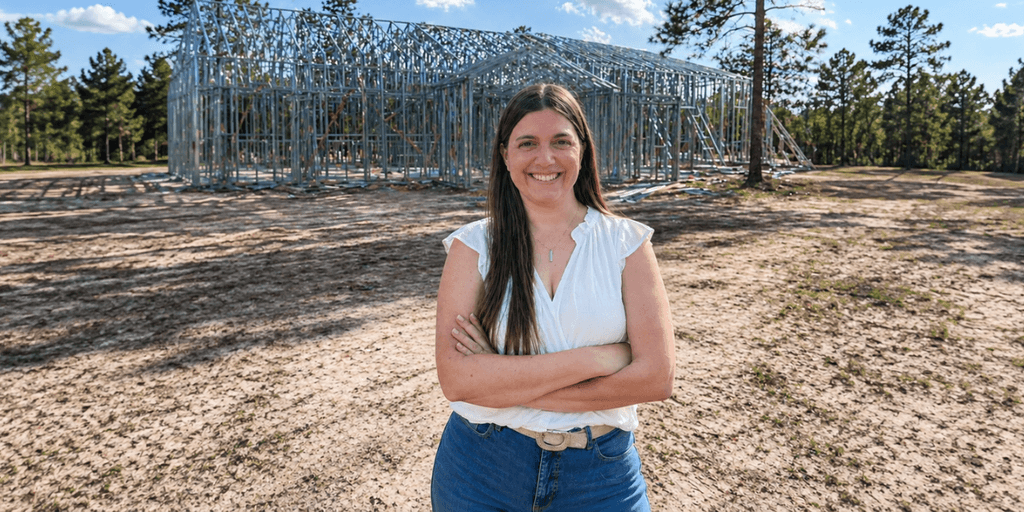
After building more than 600 steel-framed homes in Argentina, Tamara Sucko is teaching American crews how to build them.
Tamara Sucko was a teenager when she first stepped onto a construction site. She grew up in a family of builders, so the sound of tools and the smell of fresh concrete were familiar long before she understood them as a career. By day she worked. By night she studied architecture. That discipline, built one late class at a time, shaped everything that followed.
Today, Sucko is the co-founder of Architecture Steel, a Florida-based residential design and construction company that specializes in Cold-Formed Steel framing. She is also developing a training initiative called Build It in Steel. Her question is direct: if the design knowledge already exists, why do so few American builders use it?
Why Cold-Formed Steel Framing Remains Rare
The numbers are striking. According to the National Association of Home Builders (NAHB), 94% of single-family homes completed in 2025 were wood-framed. Only about 0.5% used steel framing.
Cold-Formed Steel, often shortened to CFS, offers real advantages. The material resists termites and mold. When properly designed and installed, it also has the potential for improved resilience against severe weather. For a country facing housing affordability pressures, labor shortages, and growing concerns about moisture and storms, those qualities deserve attention.
So why has adoption stalled? Sucko believes the answer is not the material itself. A separate NAHB survey in 2021 found that 82% of builders identified a lack of experienced workers and subcontractors as a significant barrier to moving away from wood framing. In other words, builders are not short of interest. They are short of people who know how to do the work.
"We already know how to design with Cold-Formed Steel," Sucko says. "The challenge is making sure more construction teams know how to build with it."
From Night Classes to 600 Homes
Sucko built her career in a predominantly male-dominated industry. Over 17 years, she helped lead Casarella, an Argentine company responsible for more than 600 steel-framed homes. She continues to serve on its board.
That experience taught her something that textbooks rarely cover. Technical standards matter, but they are only part of the process. The harder challenge is translating those standards into clear, step-by-step procedures that a crew can follow consistently, day after day, on a real jobsite.
Her background in leadership and professional coaching sharpened that insight. It changed how she develops teams, communicates expectations, and solves problems when a project does not go as planned. For Sucko, a well-built home is the result of a well-prepared team.
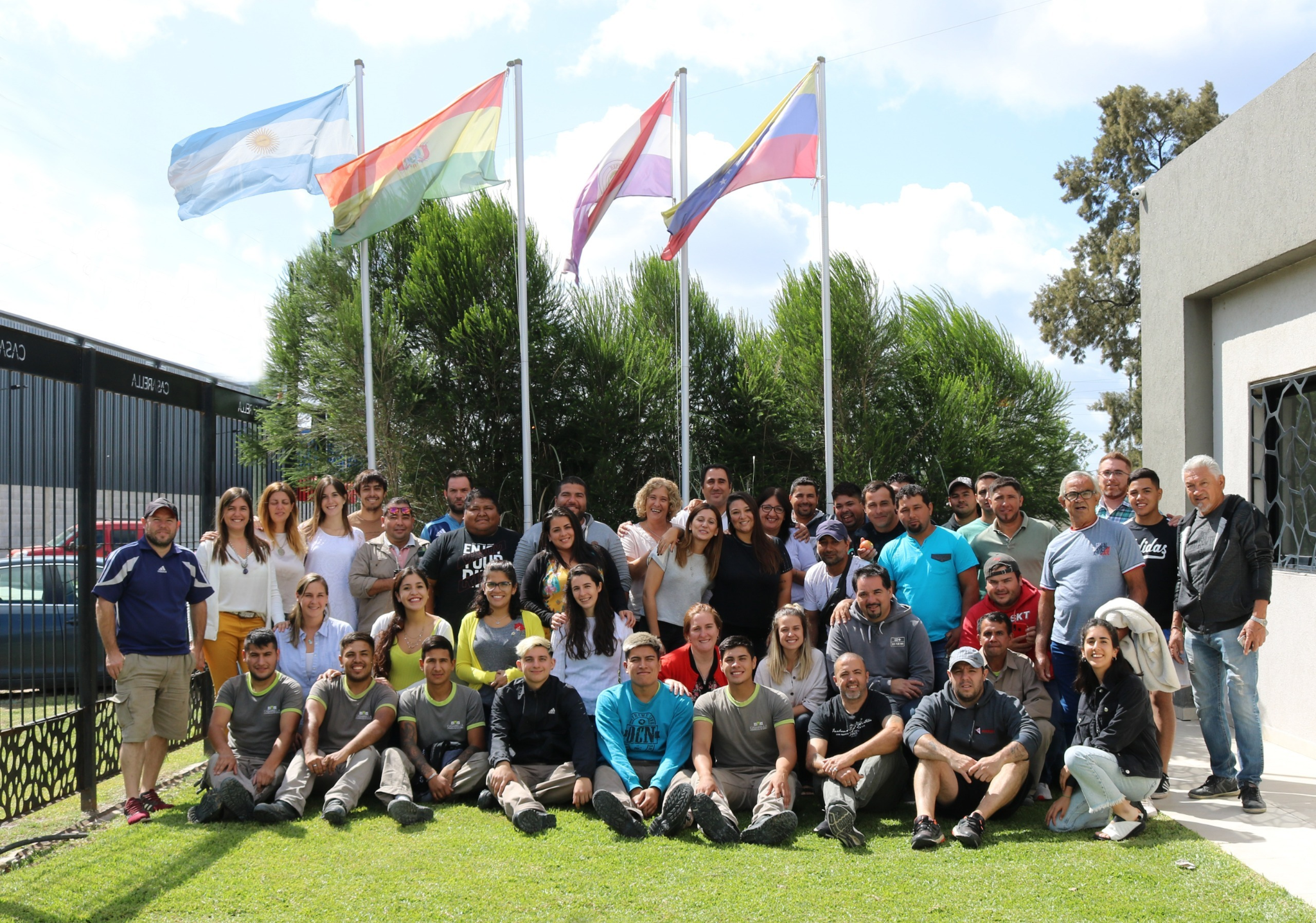
A New Country and a Fresh Start
In 2022, Sucko moved to the United States and co-founded Architecture Steel. Starting over in a new country was not a small decision. She left behind an established reputation and a proven track record to begin again in a different market, with different codes, different habits, and a very different building culture.
She did not arrive empty-handed. She brought hands-on construction experience, an architect's training, and the confidence of someone who had already done this work at scale. As an Argentine architect and a woman in construction, she also brought a perspective that the American residential industry rarely hears.
Today, as Technical and Design Manager, she combines architectural expertise, standardized construction processes, and team leadership. Architecture Steel is based in Kissimmee, Florida, where the demands of heat, humidity, moisture, and storm season make the conversation about building materials especially relevant.
Build It in Steel: Training for Cold-Formed Steel Framing
The turning point in Sucko's story came when she recognized that building more homes would not solve the larger problem. Even a strong company can only build so many houses. Helping other builders succeed with Cold-Formed Steel framing could reach much further.
That idea became Build It in Steel, a bilingual training program designed to teach construction teams the practical process of building residential homes with CFS. It is not a theory course. It is built around what happens on the jobsite.
The method follows a simple sequence: Understand, Plan, Build, Inspect, Correct, and Document. The program is designed to include video training aligned with actual residential CFS sequences, a Plan Reading Guide for layouts and identifications, and a Field Tool Kit that covers tools and equipment. It also offers field-ready Quality Control Sheets, Field Checklists that run from pre-construction to final framing, a Fasteners and Connectors Guide, a Common Field Errors Guide, and a Technical Resource Library.
Each piece addresses a specific gap. A framer who can read the plans with confidence makes fewer mistakes. A superintendent with a quality-control checklist can catch problems early. A contractor with a documented process can repeat success on the next project, and the one after that.
The audience is broad: installers, framers, contractors, superintendents, construction teams, and companies seeking repeatable CFS processes. The common thread is a desire to build with steel correctly and consistently.
What Makes Architecture Steel Different
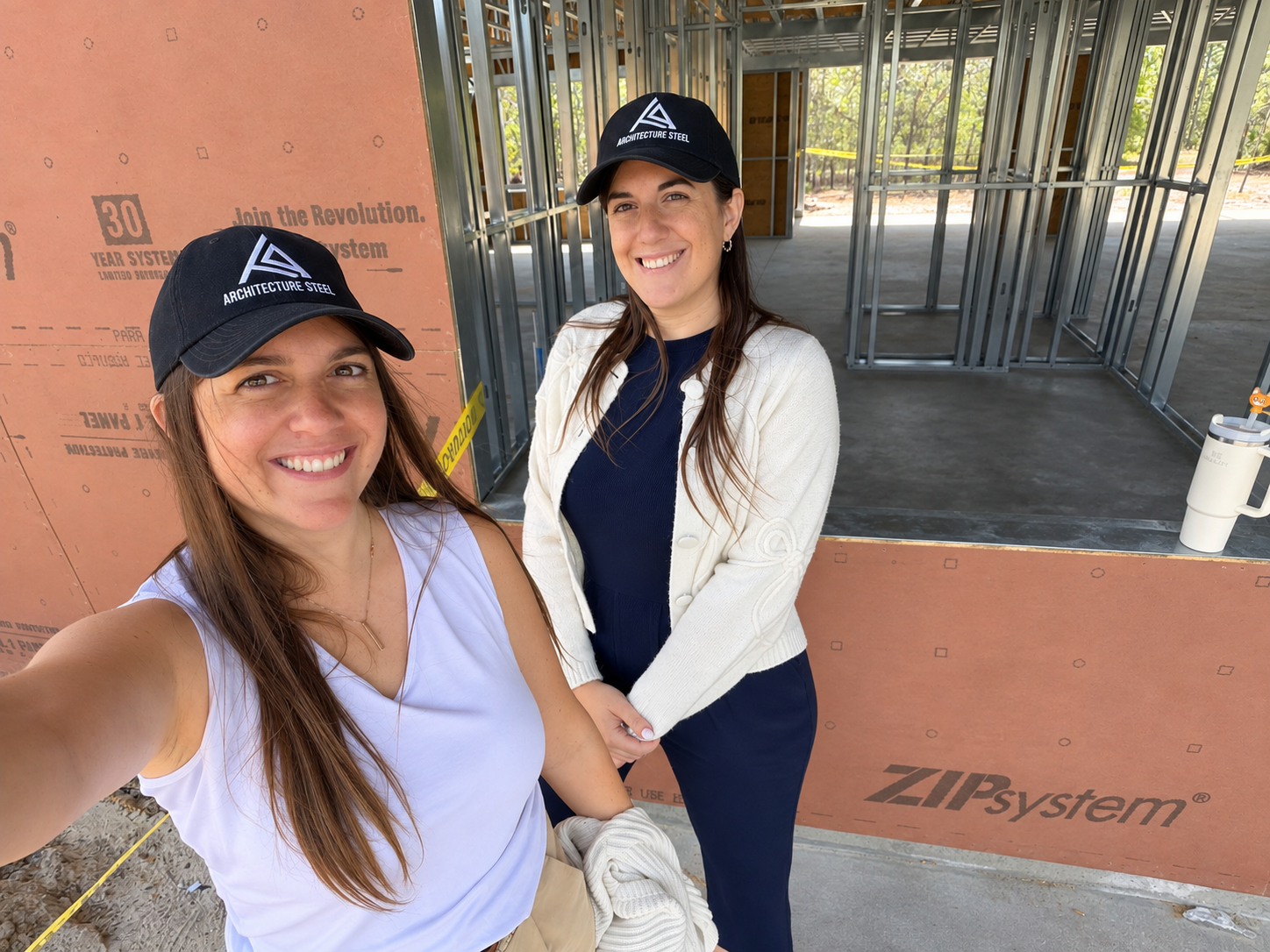
Plenty of companies talk about innovation. Fewer can point to hundreds of completed homes behind their methods. Architecture Steel stands apart because its approach is field-tested. Sucko's guidance comes from decades of watching what works, what fails, and what a crew can realistically execute under real conditions.
The company's goal also extends beyond its own projects. Sucko wants to help more construction companies develop the skills and processes needed to adopt this system successfully. That generosity is unusual in a competitive industry, but it reflects a clear belief: when more builders can work confidently with alternative systems, homeowners gain more choices and the industry becomes more resilient.
Her approach is also careful about claims. Cold-Formed Steel is not a magic solution, and Sucko does not present it as one. Its advantages depend on proper design and proper installation. That is precisely why training matters so much.
The Future Depends on People
Sucko often returns to a single conviction. Better materials and smarter technology will not transform American housing on their own. Someone must stand on the slab, read the plans, and place every fastener correctly.
"The future of housing isn't just about introducing better materials," she says. "It's about developing the workforce capable of building with them."
It is a message that resonates well beyond steel. A skilled workforce supports quality, safety, and pride in the finished home. It also offers a path for newcomers to enter the trades with practical knowledge rather than guesswork.
Explore More About Architecture Steel
Discover innovative architectural solutions and explore the possibilities of steel design by visiting Architecture Steel. Connect with Tamara Sucko on LinkedIn, and explore more design inspiration through Casarella Argentina and Instagram.

CEO Times Contributor
Covers business, innovation, and leadership, with a particular interest in entrepreneurs and emerging brands.
This article features partner, contributor, or branded content from a third party. Members of the CEO Times editorial staff were not involved in the creation of this content. All views and opinions are those of the contributor alone.