
Apple Unveils $500 Billion U.S. Investment Plan to Boost AI and Domestic Manufacturing

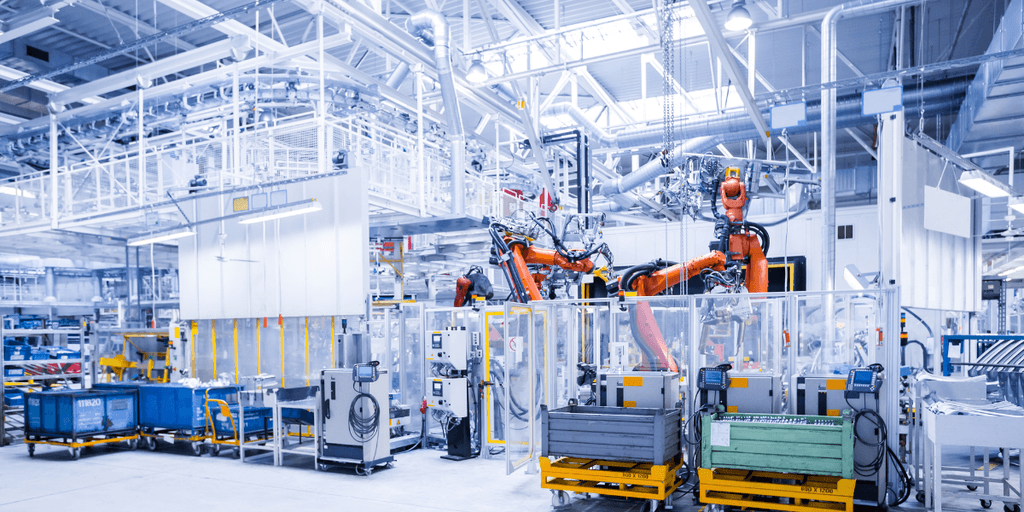
Apple Inc. has announced a landmark $500 billion investment over the next four years, aimed at strengthening its U.S. manufacturing capabilities and advancing artificial intelligence (AI) initiatives. This strategic move includes the construction of a new 250,000-square-foot facility in Houston, Texas, dedicated to producing servers for Apple’s generative AI systems. The expansion is projected to create approximately 20,000 jobs across various sectors, including research and development, silicon engineering, software development, and AI.
The Houston facility, scheduled to open in 2026, will play a pivotal role in supporting Apple Intelligence, the company’s suite of AI features designed to enhance user experience across its product lineup. By bringing server production to the U.S., Apple aims to improve data security and reduce reliance on overseas manufacturing, particularly in light of recent U.S. tariffs on Chinese goods. This move aligns with Apple’s broader strategy to diversify its supply chain and mitigate geopolitical risks.
In addition to the Houston project, Apple plans to double its Advanced Manufacturing Fund from $5 billion to $10 billion. This fund will support innovation and high-skilled manufacturing jobs, with significant investments directed toward the Taiwan Semiconductor Manufacturing Company’s (TSMC) Fab 21 facility in Arizona. Apple, being TSMC’s largest customer, has committed several billion dollars to produce advanced silicon chips at this facility, which began mass production earlier this year.
The investment also encompasses the establishment of the Apple Manufacturing Academy in Detroit, Michigan, aimed at training the next generation of U.S. manufacturers. This initiative will offer free courses on AI and smart manufacturing techniques, collaborating with institutions like Michigan State University to bridge the skills gap in the manufacturing sector.
Apple’s commitment extends to expanding its data center capacity in states such as North Carolina, Iowa, Oregon, Arizona, and Nevada to support its growing AI infrastructure. The company has nearly doubled its U.S.-based research and development spending over the past five years and plans to continue this trajectory to support cutting-edge fields like silicon engineering.
Analysts view this initiative as a strategic alignment with the Trump administration’s push for increased domestic manufacturing and a response to the evolving regulatory landscape. By investing heavily in U.S. operations, Apple positions itself to navigate potential tariff impacts and demonstrates a commitment to bolstering the American economy.
This substantial investment underscores Apple’s belief in American innovation and its dedication to contributing to the nation’s economic growth. The company’s efforts are expected to have a significant impact on job creation, technological advancement, and the strengthening of domestic manufacturing capabilities.

CEO Times Contributor
Covers leadership, business strategy, entrepreneurship, and the people building innovative companies.
This article features partner, contributor, or branded content from a third party. Members of the CEO Times editorial staff were not involved in the creation of this content. All views and opinions are those of the contributor alone.