

Consumer expectations in eyewear continue to evolve toward material quality, functional design, and greater transparency in product value.
The decision to purchase eyewear often begins with a simple interaction. A pair of sunglasses is picked up, examined for fit and finish, and briefly assessed against its price. This moment of consideration reflects a broader shift in how consumers evaluate products in the category, with increasing attention given to materials, construction, and long-term usability rather than branding alone.
Within this context, Lando.eu is positioned as a European eyewear brand focused on product development and material selection as central elements of its design process.
Across the eyewear sector, purchasing behavior has become more detail-oriented. Consumers are increasingly evaluating frames based on tangible attributes such as comfort, durability, and consistency of design. This approach places greater emphasis on how eyewear performs in everyday use, rather than relying primarily on brand recognition.
A key component of modern eyewear production is material choice. LANDO uses Italian Mazzucchelli acetate, a material widely used in eyewear manufacturing for its flexibility, structural strength, and polished finish. In product design, such materials are often selected for their ability to support both durability and comfort over extended wear. Alongside material considerations, design direction plays a role in shaping product identity, with emphasis placed on neutral and long-lasting aesthetics.
Gabor Apati, CEO and Co-founder of LANDO, describes the design intent in practical terms. “We didn’t want to build another logo-driven brand. We wanted to focus on what people actually wear every day.” This perspective reflects a focus on usability and long-term product relevance.
Consumer awareness around production processes and material differences has also increased over time. As a result, eyewear is often assessed through closer examination of structural details such as hinge quality, frame balance, and lens clarity. These factors contribute to comfort and usability in everyday environments.
Distribution models in the eyewear industry have also diversified. LANDO operates through a direct-to-consumer structure, which removes intermediary retail layers. This model is commonly used in modern e-commerce to streamline distribution and maintain direct communication between brands and customers.
According to Gabor Apati, “Once you understand what goes into a good pair of sunglasses, it becomes easier to see the difference.” His comment reflects a broader perspective on consumer education within product categories where material and construction play a significant role in perceived value.
A Closer Look at Eyewear Expectations
As consumer familiarity with eyewear construction increases, attention has expanded to include technical and functional elements. Frame construction, hinge stability, lens performance, and material finishing are commonly evaluated factors. These characteristics influence how eyewear is used over time and in different settings.

Design preferences have also shifted in parallel, with many consumers showing interest in styles that remain adaptable across various environments. This includes a preference for simpler, more neutral designs that can be used across multiple occasions without strong seasonal associations.
In this context, value is increasingly defined through a combination of material quality, functionality, and long-term usability rather than visual branding alone. Product evaluation often takes place through use and experience over time.
European Design Principles and Product Function
LANDO’s design approach reflects broader European product design traditions that emphasize restraint, functionality, and balance. Rather than focusing on decorative detail, the emphasis is placed on proportion, usability, and material coherence.
The result is eyewear intended for regular use across different daily environments, including work, travel, and leisure. This design direction aligns with broader product trends that prioritize consistency and adaptability over short-term stylistic variation.
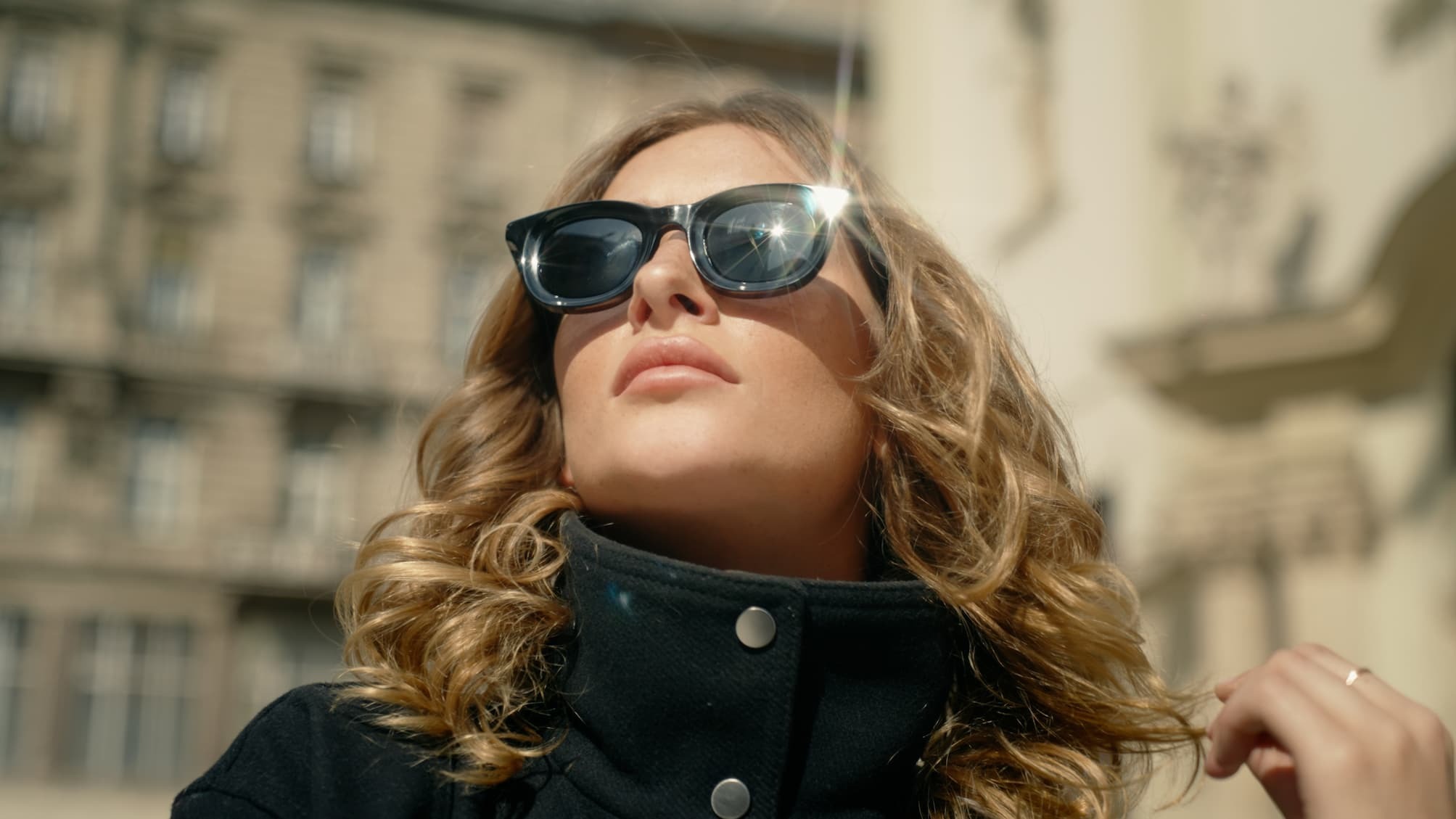
Eyewear in a Changing Consumer Landscape
Eyewear continues to be influenced by shifts in consumer expectations, particularly regarding transparency in materials and product construction. As consumers engage more deeply with product details, evaluation processes tend to incorporate both physical inspection and long-term wear experience.
In this evolving environment, eyewear design is increasingly shaped by the interaction between material selection, structural engineering, and intended use cases.
The brand maintains an online presence through its official website, where product collections and design information are available. Additional content related to materials and design processes is shared through social media channels, including YouTube, Instagram, and TikTok.
Customer feedback is also publicly available through third-party review platforms such as Trust Pilot, where users share experiences related to product fit, comfort, and design preferences.