
Addressing the Payment Gap in Africa’s Food Supply Chain
In West Africa, where rice is a staple food, one of the major challenges isn’t just producing enough, but ensuring it reaches the right places at the right time and price. Many institutions, including schools and governments, face cash-flow issues and delayed payments, which stall food distribution and leave communities underserved.
Jasminica, a Ghana-based company, has entered the rice supply chain with a new model that prioritizes access and flexibility, addressing not just the product, but the financial barriers that can prevent timely delivery.
A New Model for Food Supply in West Africa
Founded in 2024 by startup visionaries Vietnamese-Canadian Fan Yang and American-Japanese PR Janica Southwick, Jasminica aims to tackle the financial challenges in the rice supply chain in West Africa. The company’s model is designed to overcome the barriers of upfront payments that many organizations face.
“We identified a need not just for rice, but for a flexible approach to financing food distribution,” says Southwick, co-founder and co-CEO of Jasminica. “Our goal is to make food more accessible, even when financial constraints are a challenge.”
Instead of requiring immediate cash settlements, Jasminica offers delayed payment options that accommodate the realities of local markets. This approach has allowed the company to establish a network with various organizations in Ghana, including government agencies and local retailers.
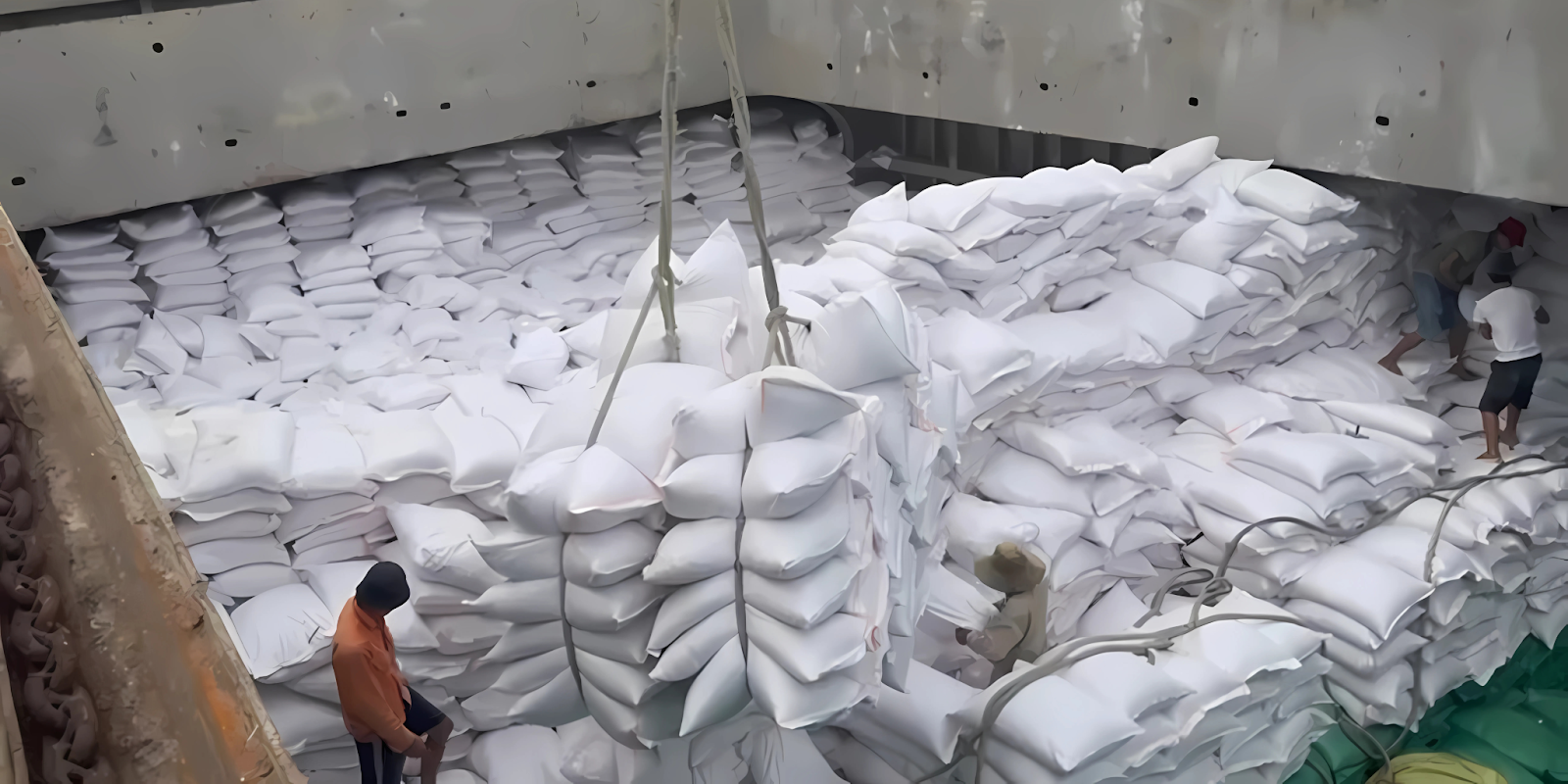
Over the past year, Jasminica has worked to finance and distribute significant quantities of rice, including their jasmine rice, known for its nutritional value and suitability for institutional feeding. Additionally, 3,000 tons of rice are currently being produced in Vietnam and are in the final stages of delivery.
Building Local Relationships for Long-Term Impact
Jasminica’s approach goes beyond traditional food supply logistics. The company’s founders spent considerable time meeting directly with local retailers and food distributors, building trust through face-to-face interactions.
“We didn’t take shortcuts,” says Yang, co-founder of the company. “We met with local partners, explained our model, and slowly built relationships.”
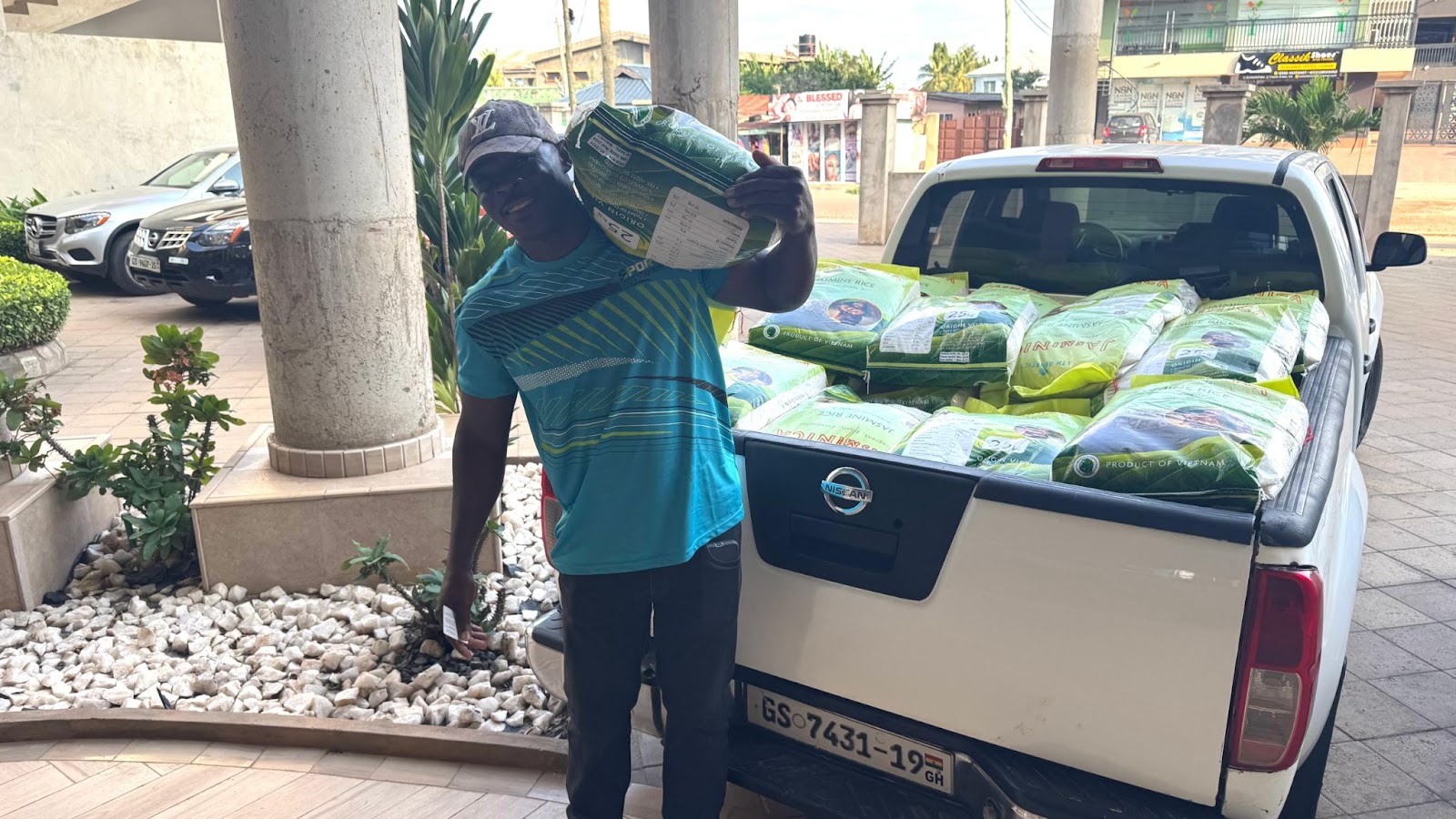
Initially, some retailers were skeptical, but over time, the company established itself as a reliable supplier of affordable, high-quality rice. Today, Jasminica supplies over 30 retailers in the region, helping to reduce the role of intermediaries and lower prices for consumers.
Addressing the Financing Challenges in Food Distribution
One of the biggest challenges Jasminica faces is bridging the financing gap in food supply. In many parts of West Africa, the traditional supply model requires institutions to either pay upfront or wait for goods to arrive, a process that can delay delivery to schools, hospitals, and other essential services.
“Rice is a key component of the daily diet in many parts of West Africa, especially in urban areas where demand has steadily increased,” says Southwick. “But the usual cash-and-carry model creates barriers for many institutions. The price is significantly higher and the volumes are low. We’re addressing this by offering delayed payments to ensure that food can reach the people who need it, even when the financial system isn’t moving fast enough.”
By working closely with local authorities, Jasminica has managed to streamline logistics, reducing challenges such as import taxes and delays at ports. While the company has faced hurdles, their partnerships with customs brokers, transporters, and government officials have helped improve delivery processes.
These improvements also reflect a broader effort across the public sector to stabilize food supply chains and manage import-related costs.
Planning for Long-Term Sustainability
Jasminica’s long-term vision extends beyond food distribution. The company is committed to reinvesting in local agricultural systems, planning partnerships with farmers and local stakeholders to address the root causes of food insecurity.
“We’re focused on creating a more resilient food system in West Africa,” says Southwick. “It’s not just about supplying rice; it’s about creating stability for communities and strengthening the local food ecosystem.”
As the company continues to grow, it aims to play a role in reshaping food distribution in the region, ensuring not only that rice reaches its destination but that long-term solutions are in place to support sustainable food security.
Looking Ahead: Expanding Access to Food in West Africa
Jasminica’s work is still in its early stages, but its model demonstrates how flexibility, trust, and creative problem-solving can help overcome logistical and financial barriers in food distribution. As the company scales its operations, their focus remains on meeting the needs of underserved communities and building a sustainable food supply network.
“Our priority is ensuring that food gets to where it’s needed, no matter the obstacles,” says Yang. “We’re committed to solving a critical problem, and it’s a long-term effort that requires dedication.”
For more information about Jasminica’s work, or to explore collaboration opportunities, visit www.jasminica.com.
Follow Jasminica on social media for updates: