
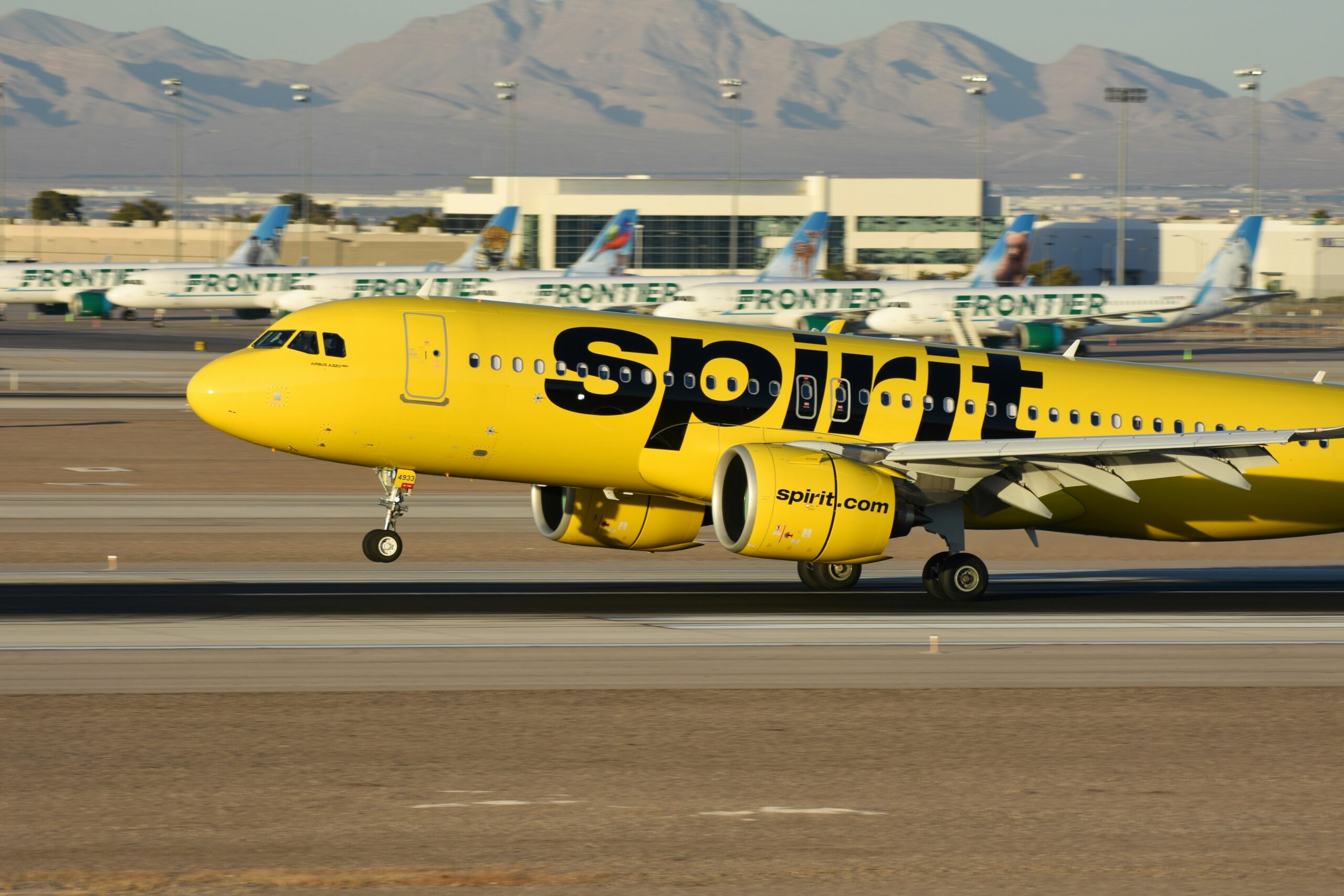
Spirit Airlines announced the sudden resignation of its President and CEO, Ted Christie, just weeks after the carrier emerged from Chapter 11 bankruptcy. Christie’s departure effective immediately also includes his resignation from the board, as the company begins its search for a permanent successor.
Christie, who joined Spirit in 2012 as CFO and became CEO on January 1, 2019, steered the airline through some of its most turbulent years. His tenure included navigating the COVID-19 crisis, attempting mergers with Frontier Airlines and JetBlue (both of which failed), and finally guiding Spirit through its Chapter 11 restructuring.
In November 2024, after years of financial strain and unsuccessful merger bids, Spirit filed for Chapter 11 bankruptcy, burdened by more than $3.6 billion in debt and over $2.5 billion in losses since 2020. In March 2025, the airline emerged from bankruptcy with a debt reduction of approximately $795 million, part of which was converted to equity, and secured a $350 million capital infusion from existing investors.
Despite assurances earlier in March that Christie would continue to lead the company post-bankruptcy, the board announced his immediate resignation on April 7, removing him from all executive roles. No official reason for the abrupt exit was given, although speculation has surfaced that his departure may affect a potential $3.8 million retention bonus—contingent on staying with the company for another year.
Spirit’s Chairman, Robert Milton, praised Christie’s long-standing service: “Ted has kept the company together through challenging times we wish him all the best going forward”. The chairman acknowledged Christie’s leadership during key moments, including pandemic recovery, merger attempts, and the recent restructuring process.
Leaving alongside Christie is Chief Commercial Officer Matt Klein, who unexpectedly resigned as well. He will be succeeded on an interim basis by Rana Ghosh, previously Spirit’s Chief Transformation Officer.
In the interim, Spirit has established an “Office of the President,” combining the leadership of several senior executives: Fred Cromer (CFO), John Bendoraitis (COO), and Thomas Canfield (General Counsel), to maintain stability and smooth operations during the ongoing transition.
Amid these changes, Spirit is undergoing a strategic pivot. It has moved away from its traditional ultra-low-cost model and intends to rebrand itself as a more premium carrier — a shift expected to yield approximately 13% higher revenue per passenger.
Industry observers note that low-cost carriers faced significant challenges post-pandemic, as traveler preferences leaned toward enhanced service and comfort. Spirit, once reliant on ancillary fees for profitability, has struggled to regain its footing — revealing net losses totaling more than $1.1 billion in 2024 and operating margins deeply in the red.
Just weeks after Christie’s exit, Spirit named Dave Davis, former president and CFO of Sun Country Airlines and ex-CFO at Northwest Airlines, as its new chief executive, effective April 21, 2025. This appointment is part of a broader leadership overhaul, which also includes bringing in veteran executives like Trey Urbahn (commercial strategy) and Duncan Dee (communications) to aid in Spirit’s revival.
As the airline searches for stability under new management, key challenges loom ahead: executing the rebranding, regaining profitability, navigating industry competition, and managing potential ramifications from a recent engine defect grounding some fleet aircraft.
For Spirit pilots—which have been under negotiation with the company for a new contract—Christie’s and Klein’s sudden exits prompted caution. The pilots’ union emphasized the need for “decisive leadership … that is willing to listen, willing to act and ready to lead with integrity,” signaling it expects serious engagement from the new administration.
Looking ahead, Spirit’s board must select a CEO capable of guiding the airline through its strategic pivot, maintaining momentum from its recent debt reductions, and navigating a highly competitive landscape that features leading legacy and discount carriers. The successful transition will hinge on robust financial stewardship, clear operational focus, and renewed stakeholder trust.