
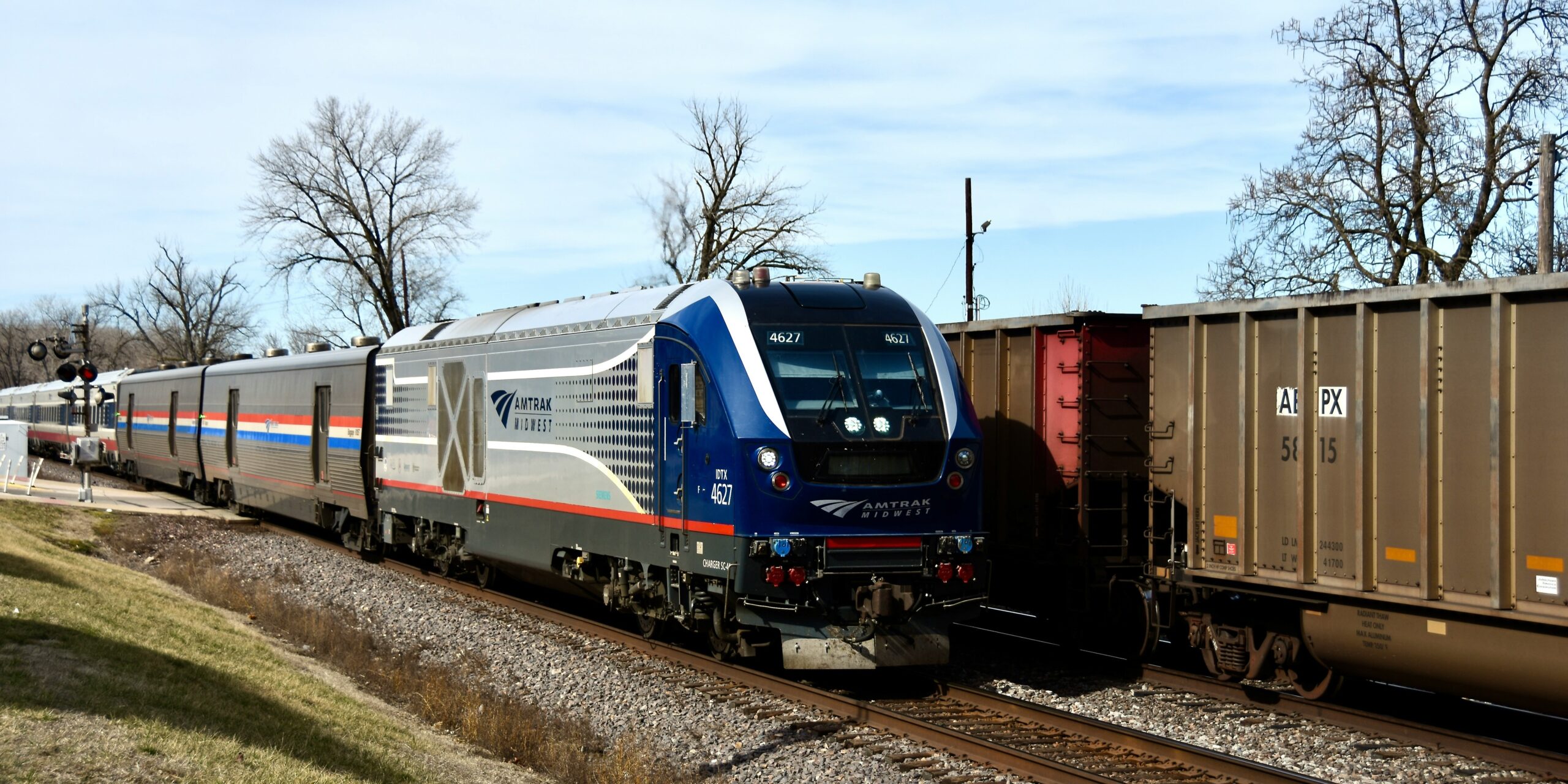
Stephen Gardner has officially stepped down as Chief Executive Officer of Amtrak, marking a significant leadership shift for the national passenger rail carrier. The decision comes amid heightened political pressure from the Trump administration, which has been reevaluating federal transportation priorities and pushing for substantial cuts to mass transit subsidies.
Gardner, who had been with Amtrak for over 15 years and served as CEO since 2022, announced his resignation on March 19, 2025. In his statement, he pointed to increasing political tensions and ongoing shifts in infrastructure policy as the primary factors influencing his decision. “It has become clear that Amtrak must align more closely with current federal expectations to preserve its core services and long-term mission,” Gardner said.
The Trump administration has taken a more aggressive stance toward public transportation spending in its latest term, proposing a reduction in federal subsidies for Amtrak operations, particularly those outside the Northeast Corridor. Transportation Secretary Sean P. Duffy and other administration officials have publicly criticized Amtrak’s handling of urban station safety, specifically referencing concerns about crime and homelessness at major hubs like Washington, D.C.’s Union Station.
The administration’s approach also includes renewed interest in privatizing portions of Amtrak’s long-distance network—an idea that has surfaced in past debates but now appears to be gaining traction. Tech entrepreneur Elon Musk, acting as a transportation advisor to President Trump, has reportedly advocated for opening Amtrak routes to private operators, suggesting that such a move could boost efficiency and reduce the system’s reliance on taxpayer funding.
Gardner’s departure adds uncertainty to Amtrak’s future direction. As CEO, he oversaw the company during a period of record ridership and revenue growth. In fiscal year 2024, Amtrak reported a 15% year-over-year increase in passenger trips, totaling 32.8 million, alongside a 9% rise in ticket revenue to $2.5 billion. However, the organization also recorded an adjusted operating loss of $705 million, underscoring its continued dependency on federal funding for long-distance and state-supported routes.
Roger Harris, Amtrak’s current president, will assume leadership on an interim basis while the board evaluates options for permanent executive leadership. Harris, who joined Amtrak in 2020 and previously served as chief commercial officer, is expected to maintain continuity in day-to-day operations. However, the long-term leadership strategy may shift depending on how federal policy evolves under the current administration.
The resignation has sparked concern among transit advocates and rail unions, who fear that the push toward privatization could compromise service quality and accessibility. “Amtrak plays a vital role in connecting communities across the country,” said Ed Wytkind, a transportation policy analyst. “Privatization could threaten essential routes that serve rural and underserved areas, where private operators may see limited profit potential.”
Congressional Democrats and some Republican moderates have expressed resistance to the privatization proposals, emphasizing Amtrak’s role in national infrastructure, economic development, and environmental sustainability. Some lawmakers have already called for oversight hearings to examine the implications of the administration’s transportation policies.
Despite the leadership transition, Amtrak’s board has reaffirmed its commitment to ongoing modernization projects, including major infrastructure upgrades, rolling stock investments, and expansion of corridor services. These initiatives are designed to enhance service quality and attract new ridership, particularly as urban congestion and environmental concerns drive demand for rail travel.
Gardner’s exit marks a pivotal moment for Amtrak as it balances political expectations with its mission to provide accessible, efficient, and sustainable rail service. The coming months will be critical in shaping how the company responds to external pressures and redefines its role in the evolving national transportation landscape.
