
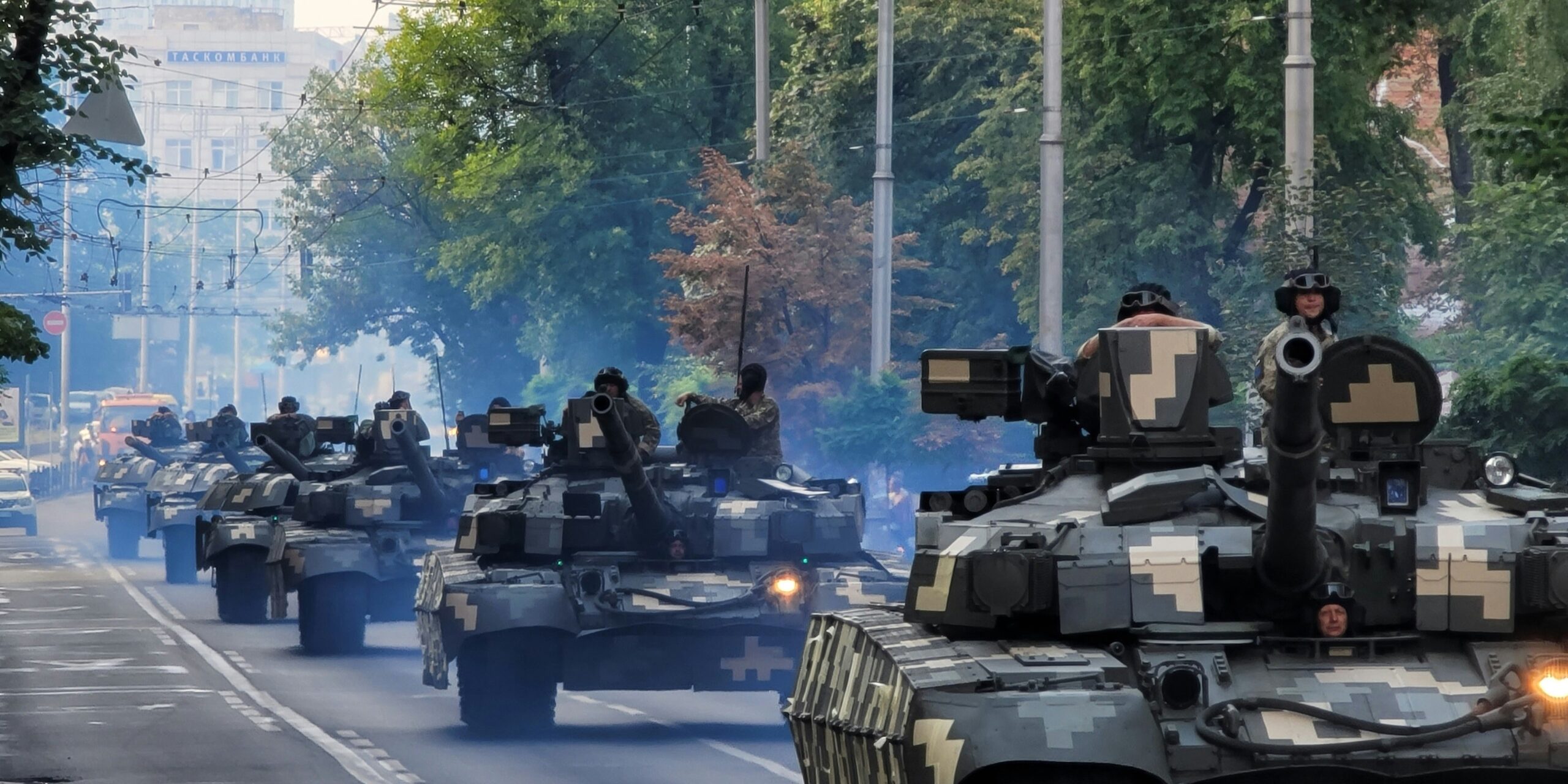
The eruption of armed conflict between Russia and Ukraine in February 2022 marked a dramatic turning point for global economic stability. As Russian forces crossed into Ukrainian territory, the geopolitical tremors quickly translated into tangible disruptions across international markets, exposing the fragility of global supply chains and commodity networks.
Ukraine, a major exporter of wheat, corn, and sunflower oil, saw its trade operations nearly collapse. Ports along the Black Sea, including critical hubs like Odesa, faced blockades or destruction, paralyzing the country’s export capacities. The interruption of these exports was especially significant, given Ukraine’s role as one of the world’s top grain suppliers. Nations in the Middle East and North Africa, heavily reliant on Ukrainian cereals, were among the hardest hit.
Russia, too, faced severe economic consequences. As the international community responded with sweeping sanctions, Russian exports—particularly energy products such as natural gas and crude oil—became entangled in a complex web of restrictions. This triggered widespread volatility in energy markets, with oil prices spiking above $100 per barrel and European nations scrambling to reduce their dependency on Russian gas.
The ripple effects extended far beyond energy and agriculture. Countries around the world implemented export bans to shield domestic markets from price surges and potential shortages. These protectionist moves further strained global supply chains, already weakened by the lingering effects of the COVID-19 pandemic. Fertilizer, a critical agricultural input sourced in part from Russia and Belarus, saw skyrocketing prices, raising alarms about future food security in vulnerable regions.
Investors reacted swiftly to the uncertainty, leading to a tumultuous period in global financial markets. Stock indices plunged in late February and early March, while commodity prices surged. The war also triggered a realignment in trade and investment strategies, prompting countries to reconsider their dependence on specific partners and critical goods.
Amid the economic fallout, the conflict highlighted the geopolitical risks inherent in a highly interconnected global economy. It sparked renewed discussions on food sovereignty, energy independence, and the resilience of supply chains. Policymakers around the world began reassessing their preparedness for future shocks, from regional conflicts to climate-related disasters.
In short, the Russia-Ukraine war did not merely disrupt local economies or regional trade. It acted as a catalyst for global economic upheaval, forcing nations, businesses, and consumers to confront the vulnerabilities of a tightly woven global system increasingly exposed to geopolitical turbulence.
