Tesla Overhauls Leadership to Accelerate AI and Autonomy Push

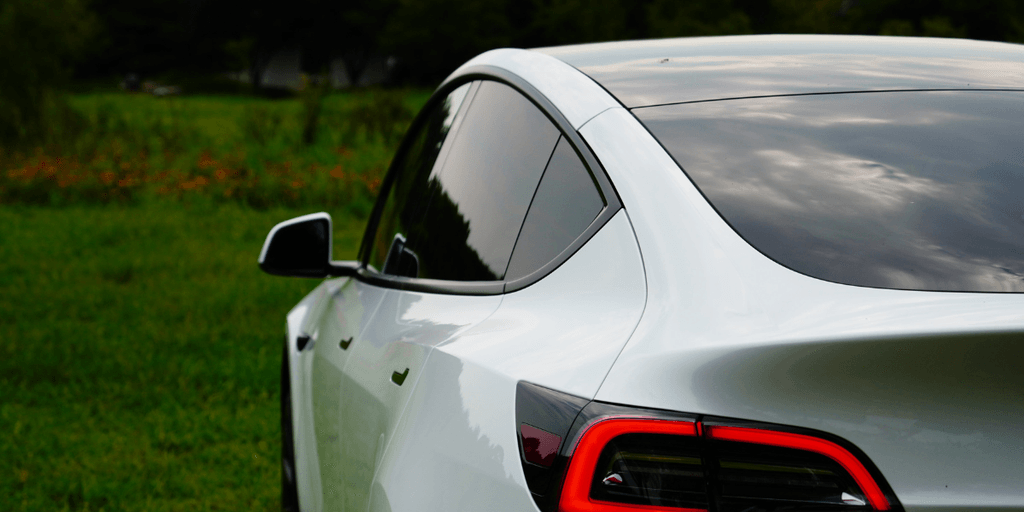
Tesla has announced a major overhaul of its executive leadership structure, signaling a sharpened focus on artificial intelligence and autonomous driving technologies. The restructuring consolidates key roles in product development and operations into a newly formed unit called the “AI-First Autonomy Group,” which will report directly to CEO Elon Musk.
This strategic move comes as Tesla faces growing scrutiny from shareholders and the public over delays in the deployment of its Full Self-Driving (FSD) software, particularly version 12. The company has long touted its ambition to lead the electric vehicle market into an autonomous future, but progress has been slower than anticipated. Musk, during a recent investor call, emphasized that internal inefficiencies and excessive managerial layering were stalling the pace of innovation.
“We found that decision-making was getting bogged down in bureaucracy,” Musk said. “To move faster and deliver truly autonomous vehicles, we need tighter integration and fewer barriers between teams.”
The AI-First Autonomy Group will unify efforts across engineering, AI development, product design, and operations. This restructuring mirrors broader trends in the tech industry, where companies are increasingly flattening organizational hierarchies to promote agility and faster product cycles. Musk believes this streamlined leadership approach will restore Tesla’s edge in a competitive landscape that includes traditional automakers, tech giants, and emerging EV startups.
Analysts view the leadership shake-up as a proactive measure to realign Tesla’s priorities. “This is Musk doubling down on his belief that autonomy is the future,” said Carla Nguyen, an automotive tech analyst. “By consolidating leadership and putting AI at the center, he’s making a bold bet that Tesla can move faster than its rivals.”
The reorganization also comes amid rising regulatory pressure in the United States and abroad, where agencies are intensifying oversight of autonomous driving claims and safety standards. By creating a centralized group focused exclusively on autonomy, Tesla may be positioning itself to better address compliance and innovation simultaneously.
For employees, the shift is expected to streamline communication and reduce friction between departments. Musk has frequently championed a “do more with less” philosophy, and the new structure appears to reflect that ethos. Whether this leaner approach will translate into tangible results remains to be seen, but for now, Tesla is betting that a flatter, AI-centric hierarchy is the key to unlocking the next chapter in autonomous mobility.
Industry watchers will be closely monitoring how these changes affect Tesla’s product roadmap, particularly the long-anticipated Robotaxi and updates to its existing FSD software. With the AI-First Autonomy Group at the helm, Tesla is clearly placing all its chips on a future driven by intelligent automation.

CEO Times Contributor
Covers leadership, business strategy, entrepreneurship, and the people building innovative companies.
This article features partner, contributor, or branded content from a third party. Members of the CEO Times editorial staff were not involved in the creation of this content. All views and opinions are those of the contributor alone.