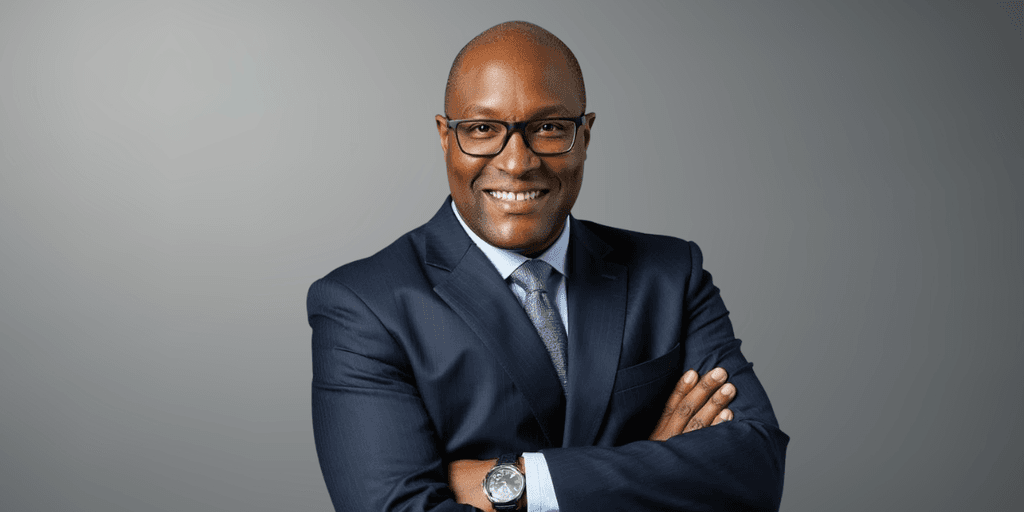
Stellantis Appoints Antonio Filosa as CEO, Retaining North America Leadership


Stellantis N.V., the fourth-largest global automaker by volume, has officially appointed Antonio Filosa as its new Chief Executive Officer, effective June 23, 2025. The move follows a six-month leadership search initiated after the departure of former CEO Carlos Tavares, and signals a strategic realignment for the company as it seeks to stabilize and grow its performance, particularly in the critical North American market.
Filosa, 52, brings more than 25 years of experience within the Stellantis ecosystem, having held key executive roles across regional and global operations. Prior to this appointment, he served as Chief Operating Officer for the Americas and Chief Quality Officer, where he was credited with driving improvements in production efficiency and customer satisfaction across the company’s U.S., Canadian, and Latin American operations. Filosa’s career also includes leadership roles in Latin America and Europe, with a track record of brand growth and cross-market integration.
In a departure from past precedent, Filosa will continue overseeing North American operations in addition to his global CEO responsibilities—a decision that underscores the region’s outsized importance to Stellantis’ overall profitability. North America, home to high-margin brands like Jeep, Ram, and Dodge, remains the company’s most lucrative market but has struggled recently due to a combination of declining vehicle sales, inventory backlogs, and economic uncertainty fueled by escalating U.S. tariffs on imported cars.
Filosa’s appointment was announced alongside a restructured executive leadership team aimed at streamlining global operations and accelerating strategic execution. Doug Ostermann, previously CFO, will expand his role to include oversight of mergers, acquisitions, and joint ventures—areas where Stellantis is expected to remain active as it navigates the transition to electric vehicles and emerging markets. Ned Curic, known for his work at Amazon and Toyota before joining Stellantis, will continue as Chief of Technology and Engineering, spearheading innovation across electrification, autonomous systems, and software development. Jean-Philippe Imparato will remain head of European operations, maintaining leadership continuity in that region.
Executive Chairman John Elkann praised Filosa’s experience and vision in a statement, calling him a “highly capable leader with the operational knowledge and forward-thinking mindset needed to guide Stellantis into its next era.” Elkann also emphasized the importance of a smooth transition, especially as Stellantis reevaluates its long-term growth strategy.
Filosa assumes the role at a crucial inflection point for the automaker. Stellantis has seen profitability pressures intensify over the past year due to softening demand, supply chain volatility, and regulatory shifts. The company is also adjusting its “Dare Forward 2030” strategic plan, which originally outlined ambitious targets for electric vehicle sales and net revenue growth. Filosa has signaled that parts of the plan will be reviewed to reflect changing market realities and trade environments.
Filosa’s decision to operate primarily from Detroit is viewed as both symbolic and strategic. It places him in close proximity to Stellantis’ largest dealership network, union negotiations, and product development teams for core brands like Jeep and Ram. His leadership is expected to prioritize rebuilding dealer trust, simplifying the product lineup, and accelerating the launch of next-generation hybrid and EV models for North American consumers.
Analysts have welcomed the appointment, noting Filosa’s deep operational expertise and familiarity with Stellantis’ unique portfolio of brands as assets during a period of disruption in the global auto industry. Investors, meanwhile, are watching closely for signs of how the company will respond to competitive threats from Chinese automakers and navigate protectionist trade measures that could impact import costs and production planning.
As Stellantis moves into this new chapter, Filosa faces the dual challenge of maintaining profitability in its strongest regions while steering the company toward a more innovative, sustainable, and consumer-responsive future.

CEO Times Contributor
Covers leadership, business strategy, entrepreneurship, and the people building innovative companies.
This article features partner, contributor, or branded content from a third party. Members of the CEO Times editorial staff were not involved in the creation of this content. All views and opinions are those of the contributor alone.