
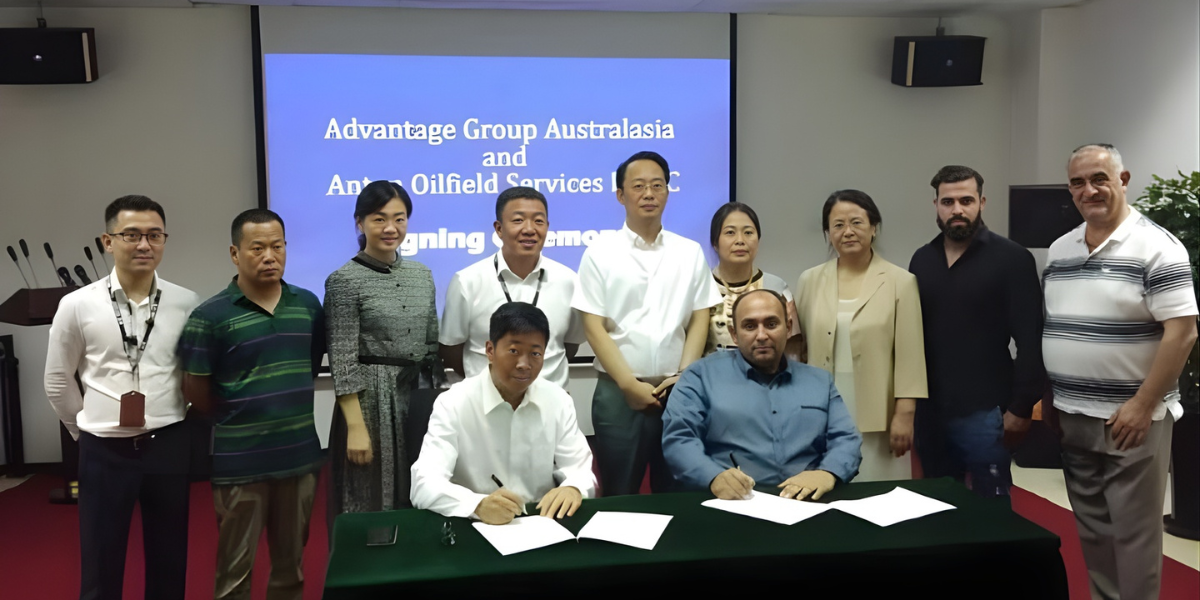
Hussein Faraj’s journey from adversity to innovation is helping build resilient, long-term infrastructure for the digital world.
In 2022, the collapse of FTX sent shockwaves through the blockchain and digital asset sectors, leaving a trail of uncertainty and financial setbacks. For many businesses, this was the end of the road. But for Hussein Faraj, founder of Advantage Group Australasia and NuGenesis, it was just another challenge to overcome.
Faraj had been a major player in the digital infrastructure space for over a decade. His companies had designed and developed innovative digital products, spearheaded large-scale research initiatives, and secured significant global contracts. Despite this success, the FTX crisis caused a staggering $76 million loss linked to FTX Japan, forcing Faraj to confront the harsh realities of the tech sector. Rather than retreating, he chose to rebuild.
The Early Days: Building From the Ground Up
Faraj’s journey into the tech space began with a vision of creating integrated digital ecosystems that could serve governments, businesses, and global institutions. Unlike many who were focused on short-term trends, Faraj was determined to build something that would last. His goal was to lay the foundation for a new era of digital systems that could integrate payments, identity, governance, communications, and real-world assets into a cohesive infrastructure.
This vision wasn’t about creating another app or platform—it was about building the future of digital infrastructure. Faraj and his team began by developing digital environments, decentralized systems, and AI-powered platforms. By the time digital technologies gained mainstream attention, Faraj and his companies were already building the very systems others would rely on.
However, innovation always comes with obstacles. Regulatory challenges, media scrutiny, and commercial disruption were constant companions for Faraj and his team. But with each setback, they came back stronger. Faraj’s resilience was a defining feature of his leadership, allowing him to pivot and adapt as the industry evolved.
The FTX Crisis: A Turning Point
The collapse of FTX presented a major test for Faraj’s companies. As one of FTX’s commercial partners, Advantage Group Australasia faced significant financial setbacks, losing $76 million in liquidity related to FTX Japan. For most companies, this would have been a deal-breaker. But for Faraj, it was an opportunity to rebuild and innovate further.
“We didn’t retreat. We rebuilt,” Faraj recalls. “The crisis tested the industry. It tested us. But we chose to rebuild, evolve, and come out stronger.”
True to his word, Faraj’s companies didn’t just recover—they emerged with a stronger, more resilient system. Faraj’s team redesigned their infrastructure to reduce risk and improve the sustainability of their digital ecosystems. Instead of simply reacting to the crisis, Faraj turned it into a catalyst for innovation.
What Makes Advantage Group Australasia Unique?
Today, Advantage Group Australasia and NuGenesis stand apart from their competitors because of their long-term focus on building foundational systems, not just short-term solutions. While many others chase the latest trends, Faraj and his team focus on creating platforms that can withstand market fluctuations, evolving regulatory environments, and scaling challenges.
“The difference is fundamental,” Faraj says. “We don’t build hype cycles. We build solid foundations. Our focus is on creating integrated systems where every component strengthens the others.”
This unique approach has earned Faraj and his companies recognition across the industry. They don’t just develop individual products—they build robust, adaptable infrastructures designed to integrate seamlessly into existing global systems. Their work spans areas like payments, governance, identity, communication, and artificial intelligence, all within a unified digital framework.
The strength of this vision lies in its depth. Unlike other companies that rely on third-party infrastructure, Faraj’s team develops their own core frameworks, giving them complete control over scalability, security, and compliance. This approach allows them to build systems that are not only resilient but can adapt as the digital landscape continues to evolve.
Resilience at the Core
Faraj’s leadership has been tested time and again by adversity. His businesses have faced regulatory pressure, media scrutiny, and commercial disruption. Yet through it all, Faraj’s teams have continued to innovate, adapt, and grow.
“Many founders talk about disruption,” Faraj explains. “But I’ve lived through it. We didn’t stop. We kept building. And now, our systems are stronger because of it.”
This resilience has shaped Faraj’s approach to leadership and his companies’ success. Where others might have paused or retreated, Faraj and his team have advanced. Every setback has only made their systems more robust, decentralized, and better equipped to face future challenges.
A Vision for the Future
Faraj’s focus isn’t just on today’s digital landscape—his sights are set on the future. He envisions a world where integrated digital ecosystems serve as the backbone for governments, businesses, and individuals alike. This long-term vision drives everything his companies do, from the development of digital infrastructure to the creation of AI-powered financial systems.
Faraj’s work is about more than just technology. It’s about creating systems that can scale, evolve, and thrive over decades. “We think in decades, not quarters,” he says. “We’re not optimizing for short-term gains. We’re building infrastructure that will last for generations.”
And while the road has been fraught with challenges, Faraj’s commitment to his mission remains unwavering. His companies are focused on creating the kinds of systems that can integrate with traditional industries, allowing them to serve the needs of organizations, governments, and businesses for years to come.

Why It’s Important to Pay Attention

Faraj’s story is not one of overnight success. It’s a story of persistence, innovation, and the willingness to rebuild in the face of adversity. His journey reflects the long-term vision that is essential for the future of digital infrastructure. The work being done by Advantage Group Australasia and NuGenesis is laying the foundation for the next generation of systems that will serve global organizations and governments for decades to come.
In a world that often prioritizes short-term gains, Faraj’s unwavering focus on long-term systems architecture is a powerful reminder of the importance of building with resilience and vision. His story is one of strength, perseverance, and an unyielding commitment to the future of digital ecosystems.
Take the Next Step
To learn more about how Hussein Faraj and his companies are reshaping the future of digital infrastructure, visit NuGenesis on X and explore how they’re building the systems of tomorrow.
Disclaimer:
The information presented in this article is for informational purposes only and reflects the personal views and experiences of Hussein Faraj and his companies, Advantage Group Australasia and NuGenesis. While efforts have been made to ensure the accuracy and reliability of the content, no warranties or guarantees are provided regarding its completeness or correctness. Any financial, business, or technological decisions based on the information presented are the sole responsibility of the reader. The companies mentioned are not liable for any outcomes resulting from the use of this article’s content. This article does not constitute legal, financial, or professional advice. Readers are encouraged to seek professional guidance tailored to their specific circumstances.