
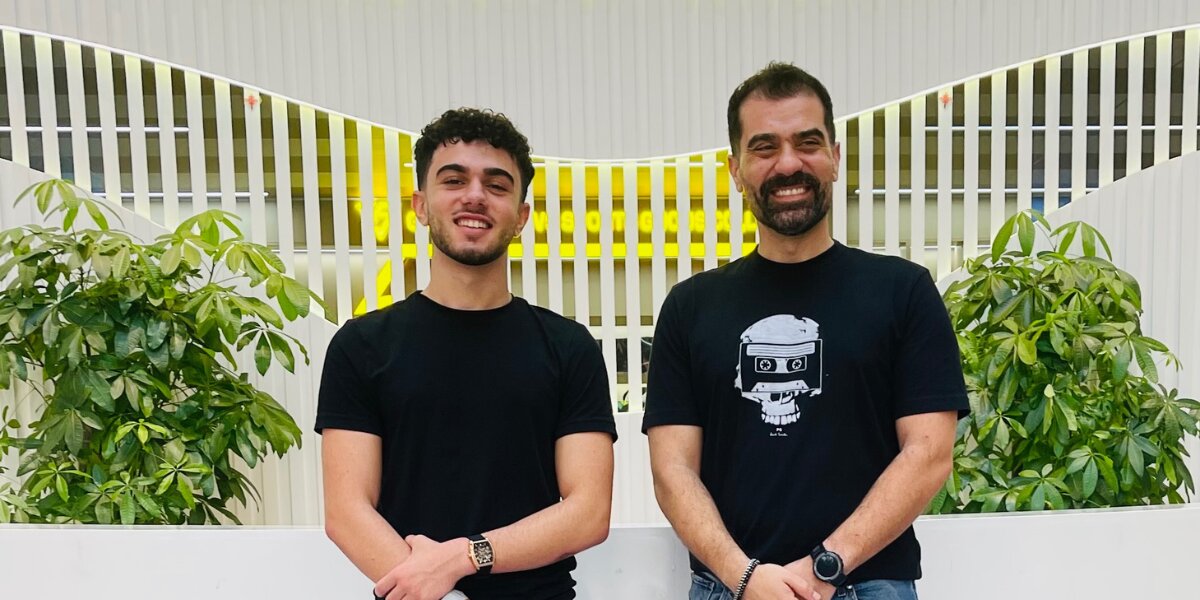
A young founder builds XOPE by combining clothing distribution with social events, exploring experiential strategies in modern brand marketing.
In an industry where clothing brands often rely on digital advertising, influencer collaborations, and seasonal campaigns, new approaches to audience engagement continue to emerge. One example is XOPE, a developing clothing brand founded by 15-year-old Marc Malaeb in the United Arab Emirates. The brand is being shaped around an event-based model that connects apparel distribution with live social experiences.
Marc Malaeb represents a younger generation of entrepreneurs entering the fashion space with early exposure to both branding and consumer behavior. While still in his teenage years, he has explored multiple small-scale ventures, gaining initial insights into how clothing brands operate within a competitive and trend-driven market. These early experiences contributed to the formation of XOPE, which reflects a different approach to introducing products to consumers.
At the center of XOPE’s concept is a strategy that integrates clothing into event settings. Instead of prioritizing traditional promotional channels, the brand organizes or participates in social gatherings where attendees receive XOPE apparel as part of their entry. This structure places the product directly into a real-world environment where it is worn and experienced during the event itself.
This approach shifts the point of interaction between the brand and its audience. Rather than encountering the product through online content or advertisements, individuals engage with it in a shared physical setting. The presence of the clothing becomes part of the overall atmosphere of the event, contributing to how participants experience and remember the occasion.
In practice, this model also influences how content related to the brand is generated. Photos and videos captured during events may include attendees wearing XOPE items, which can then be shared across personal social media accounts. This type of exposure differs from paid promotions in that it originates from participants rather than structured campaigns. As a result, visibility develops through user-generated content tied to specific experiences.
The concept of connecting apparel with live events is not entirely new within broader marketing discussions, but its structured application as a primary strategy for a developing brand remains less common. XOPE’s model reflects ongoing experimentation within the fashion industry, where brands continue to test how physical and digital interactions can work together.
Malaeb has cited personal influences in shaping his interest in event-driven environments. Growing up around music and live gatherings through his father’s involvement in DJing, he was exposed to the role that atmosphere and shared experiences can play in bringing people together. This background contributed to his understanding of how environments influence perception, which is reflected in XOPE’s integration of clothing with social settings.
Within the broader streetwear and youth apparel market, differentiation often depends on how brands establish identity and connect with audiences. Many companies compete within similar digital spaces, using comparable tools to capture attention. XOPE’s model places greater emphasis on physical interaction, offering an alternative pathway for introducing products and building familiarity.
As the brand continues to develop, its structure suggests a focus on gradual expansion through repeated events and community participation. Each gathering functions as both a distribution point and a moment of engagement, allowing the brand to build recognition over time. This type of growth relies on consistent execution and audience response rather than large-scale advertising investment.
Malaeb’s involvement at an early age highlights a broader trend of younger individuals entering entrepreneurial spaces, particularly in industries influenced by culture and social interaction. Access to digital platforms, combined with exposure to brand-building concepts, has made it more feasible for younger founders to experiment with ideas and bring them to market.
XOPE remains in its early stages, and its long-term trajectory will depend on how effectively its model can be sustained and adapted. As with many emerging brands, factors such as scalability, audience retention, and operational consistency will play a role in determining its development over time.
The brand’s event-based approach contributes to ongoing conversations about how fashion companies can engage with consumers beyond traditional channels. By placing products within shared experiences, XOPE reflects one of several evolving strategies that seek to combine physical presence with social interaction in the modern retail environment.
Explore More About XOPE
Learn more about XOPE and Marc Malaeb and follow the brand’s journey as it redefines what clothing marketing can look like.
