
Global Trade Hits Unprecedented Growth as Economies Rebuild

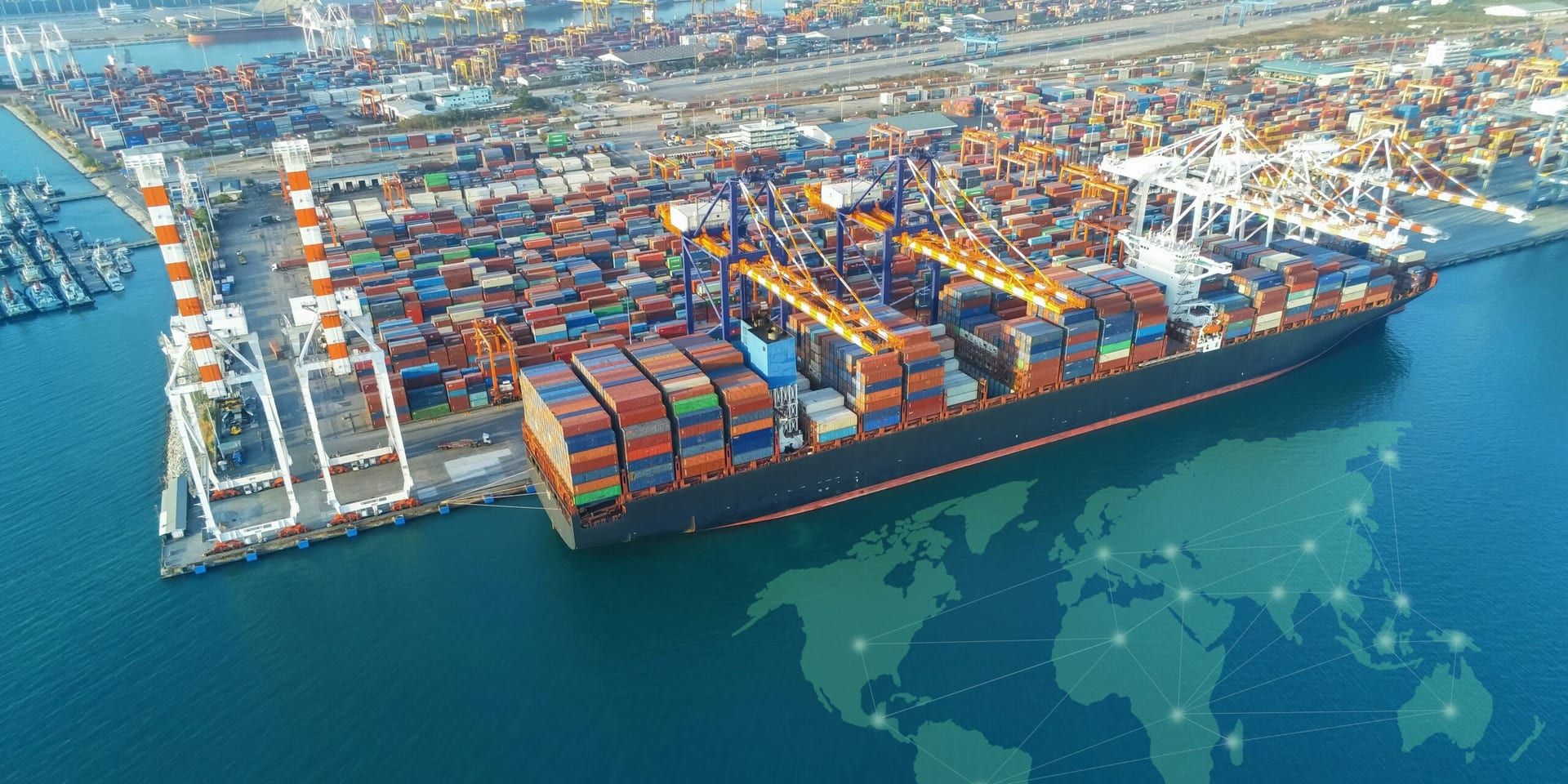
Global trade experienced a significant surge in January 2022, reaching record-breaking levels as economies around the world continued to recover from the impacts of the COVID-19 pandemic. According to data from UNCTAD and the United Nations Digital Library, the total value of international trade in goods and services was projected to be approximately 25% higher in 2022 compared to pre-pandemic figures from 2019. This remarkable increase underscores the strong momentum behind global economic recovery efforts and the resilience of international commerce.
One of the primary drivers of this trade boom was the sharp rebound in global demand. As countries eased lockdown measures and vaccination campaigns enabled the reopening of economies, consumers and businesses resumed spending. This resurgence in consumption, especially in developed and emerging markets, triggered a substantial rise in cross-border transactions. Additionally, the manufacturing sector showed a robust revival, with supply chains regaining stability and production capacities increasing steadily across major economies.
Rising commodity prices also played a critical role in boosting the value of international trade. With energy prices climbing sharply due to increased consumption and geopolitical tensions, the trade value of oil, gas, and other raw materials soared. Metal and agricultural products similarly experienced price hikes, contributing further to the overall value increase in global trade. Inflationary pressures, though a concern for many policymakers, added to the nominal value of trade, even if physical volumes did not grow at the same pace.
Trade volumes, while growing, did not match the dramatic rise in value. This disparity indicates that price inflation had a substantial effect on the overall trade figures. Nonetheless, the growth in volume was still significant, pointing to a sustained recovery in physical trade activity, especially in sectors like electronics, automotive, and industrial machinery.
Another factor behind the trade surge was the shift in consumer preferences toward digital goods and services. E-commerce and digital trade saw continued expansion, driven by changing lifestyles and increased internet penetration during the pandemic years. This transformation in consumption patterns supported a broader base for international trade growth.
Overall, January 2022 marked a pivotal moment in the global trade landscape. As economies adapted to post-pandemic realities, the resilience and adaptability of global markets became evident. The trade surge signaled renewed confidence among businesses and investors, suggesting that, despite ongoing challenges, the global economy was firmly on the path to recovery and transformation.

CEO Times Contributor
Covers global markets, corporate finance, and the executive careers built on them.
This article features partner, contributor, or branded content from a third party. Members of the CEO Times editorial staff were not involved in the creation of this content. All views and opinions are those of the contributor alone.