
From Healer to Historian: How Dr. Michael J. Cooper Turns Conflict Into Stories of Hope

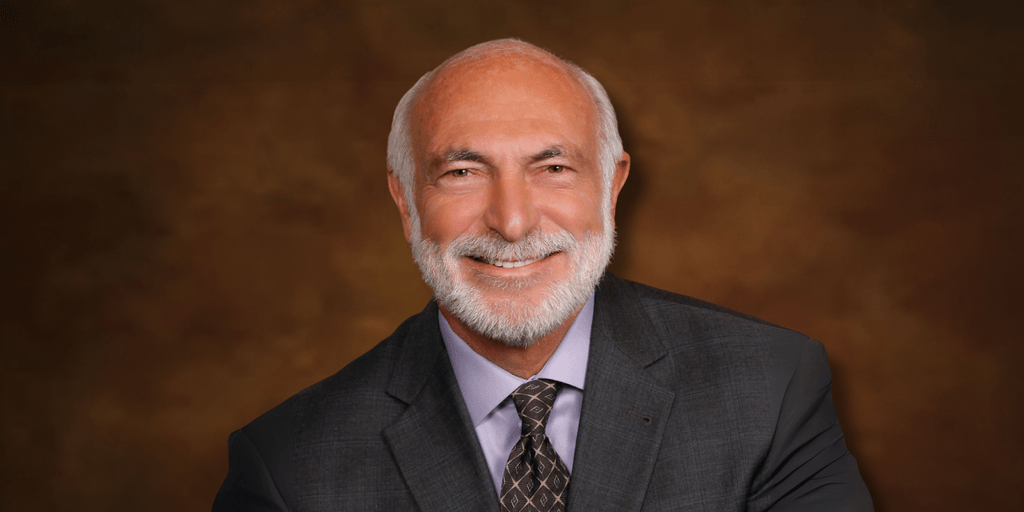
Dr. Michael J. Cooper blends his medical career and historical fiction writing, fostering understanding and peace in divided regions.
Dr. Michael J. Cooper’s life is a tapestry woven from years of dedicated healing, and a commitment to bridging divides between people. Born in Berkeley, California, his journey has spanned continents and careers, from practicing pediatric cardiology to writing historical fiction. His story, rich with experiences, reflects the transformative power of understanding, empathy, and shared history.
A Journey from Healer to Historian
In 1966, a year before the Six-Day War, Cooper graduated from high school, and at the age of 17, made the life-changing decision to leave California and emigrate to Israel. With a foundation built on a strong Zionist education, he moved to Jerusalem, a city still divided between Israel and Jordan. It was in Jerusalem that Cooper’s view of the world began to expand in unexpected ways. The eleven years he spent living in Israel, studying at Hebrew University and later graduating from Tel Aviv University Medical School, were formative in shaping his understanding of both the Holy Land’s history and the complexities of its people.
His time in Israel wasn’t solely academic. Dr. Cooper, like many young people of that era, lived a multifaceted life, from studying with Arab students in Jerusalem and Tel Aviv to working as a musician and actor, to teaching English and music at the West Jerusalem YMCA, and to appearing on Israel Educational TV. These experiences gave him a deeper connection to both the Jewish and Palestinian communities, revealing the shared humanity in the face of conflict.
Returning to California to specialize in pediatric cardiology, his medical career was spent at UCSF and Northern California Kaiser Permanente Hospitals for over 40 years, where he demonstrated the same compassion that had defined his early years in Israel. He became a trusted figure in his field, yet his connection to the Middle East remained strong, and for the past twenty years he made 26 medical missions in the West Bank, providing pediatric cardiology service to Palestinian children who lacked access to care–the volunteer work flowing from his desire for reconciliation and peace in the region.
Turning Tragedy into Purpose
The assassination of Israeli Prime Minister Yitzhak Rabin in 1995 was a turning point in Dr. Cooper’s life. Deeply affected by the loss, he channeled his grief into writing. This was the moment that saw his transition from medical writing for peer review journals to writing historical fiction, where he found a new way to convey the themes of identity, conflict, and hope that had been a part of his own life.
His debut novel, Foxes in the Vineyard, released in 2011, was a bold reimagining of the birth of Israel during the 1948 conflict. It not only earned the prestigious Grand Prize at the 2011 San Francisco Indie Publishing Contest, but it also established Cooper as a serious voice in historical fiction. The novel is a thrilling espionage story set against the backdrop of Israel’s tumultuous birth, drawing readers into a world of intrigue, history, and mystery. An up-dated edition will be coming out soon.
But Foxes in the Vineyard was just the beginning. His second novel, Wages of Empire, set in Ottoman Palestine during World War I, reached a #1 ranking on Amazon in addition to winning numerous accolades, including the 2022 CIBA Grand Prize Award for YA Fiction, the 2022 CIBA First Place Award for wartime historical fiction, and the 2025 Pacific Book Award for Historical Fiction. Wages of Empire weaves the coming-of-age story of a 16-year-old protagonist into the complicated fabric of the Middle East and Europe during a time of great upheaval, showcasing Cooper’s ability to craft compelling narratives that transcend borders and time periods.
Crafting Stories from Jerusalem’s Rich Tapestry
Cooper’s third novel, Crossroads of Empire, continues the journey begun in Wages of Empire, taking readers into the heart of Jerusalem, exploring its history, memory, and mystery through the eyes of its inhabitants. This novel earned First Place honors for the 2023 CIBA Hemingway Award for Wartime Fiction, a #1 ranking on Amazon, and the 2025 International Impact Award for Best Wartime Historical Fiction, cementing Cooper’s place as a master storyteller.
Each of his novels stands on its own as a rich, immersive historical narrative, yet they are united by themes of Jerusalem’s Temple Mount, the St. Clair blood-line, as well as by cultural connections, memory, and the possibility of reconciliation. His writing isn’t just about recounting history; it’s about understanding it from multiple perspectives and forging pathways to peace in a divided world.
His latest novel, The Rabbi’s Knight, takes readers on an adventure through the 13th-century Holy Land, at the twilight of the Crusades in the year 1290. Early reviews of the book have been glowing with The Historical Novel Society describing it as a “masterful job of building suspense, with a message that underscores the importance of people of different faiths working together to achieve peace.” Though just released in September, 2025, The Rabbi’s Knight has already won the 2025 BookFest Gold Medal Award for Best Historical Fiction. According to a BookTrib Review, “Cooper masterfully crafts a novel that intertwines vivid characters and complex themes, blending historical fiction with elements of mystery and intrigue. This unique combination makes it a must-read for fans of both genres.”
Standing Apart in a Crowded Field
What sets Cooper apart from other authors is his personal connection to the places he writes about. He doesn’t just craft stories; he draws from lived experiences, a deep historical understanding, and a commitment to fostering dialogue between conflicting cultures. His novels are not only gripping narratives but are infused with the kind of insight that only someone who has lived through the complexities of the Holy Land can bring.
His personal experiences in Israel, particularly in the year leading up to and following the 1967 Six-Day War, give his writing a depth and authenticity that readers appreciate. He has witnessed firsthand the intricacies of the Israeli-Palestinian conflict, and this perspective is reflected in his work, which strives not just to tell a good story but to foster understanding between divided peoples.
Moreover, his ongoing volunteer work in the region treating Palestinian children adds another layer of credibility and empathy to his writing. Cooper does not just write about the Middle East; he actively seeks to make it a better place, one child at a time.
A Call for Unity Through History
In a literary world often content to recount history from a distance, Michael brings it intimately close. His novels don’t simply dramatize events; they humanize the people shaped by these events—offering a lens through which readers can feel the weight of exile, the longing for home, and the fragile hope of coexistence. His work challenges readers to consider the past not as a battleground of ideologies, but as a crossroads of lived experience, memory, and shared longing.
As global headlines continue to mirror the same divisions he writes about, Cooper’s stories remain uncannily relevant. They urge us to ask not just what happened, but what is happening now, and what can change. In doing so, his novels act as quiet but persistent emissaries— reminding us that reconciliation begins with recognition, and that fiction, at its finest, can illuminate truths history alone cannot.
Explore Michael J. Cooper’s Work
For readers looking to dive into Michael’s thought-provoking and captivating novels, Wages of Empire, Crossroads of Empire, and The Rabbi’s Knight are available on all major book platforms and in all formats. Each novel offers a unique perspective on the region’s history, filled with intrigue, action, and a powerful message of peace.
Explore his world through the links below:

CEO Times Contributor
Covers leadership, business strategy, entrepreneurship, and the people building innovative companies.
This article features partner, contributor, or branded content from a third party. Members of the CEO Times editorial staff were not involved in the creation of this content. All views and opinions are those of the contributor alone.