
Costco Expands Nationwide Delivery Through DoorDash As Digital Retail Competition Accelerates

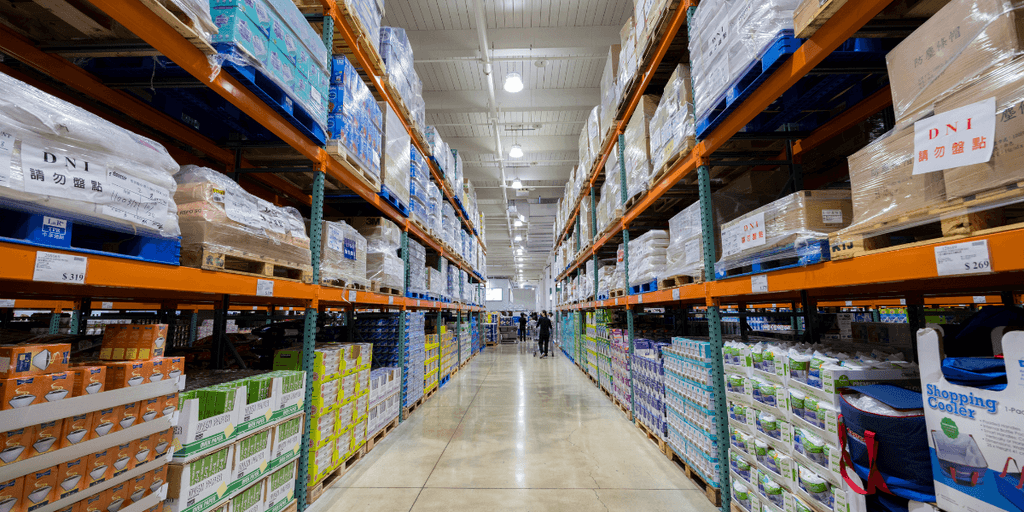
Costco expands nationwide delivery through major delivery platforms, giving members more ways to shop as digital retail competition grows.
For decades, a Costco shopping trip has followed a familiar routine. Members enter a sprawling warehouse, navigate aisles stacked with bulk groceries and household goods, and leave with carts filled for the days or weeks ahead. On September 17, 2026, that familiar model took another significant step into digital commerce. Costco Wholesale expanded its delivery presence through DoorDash, creating another nationwide channel for members who want Costco products without making a warehouse visit.
The Costco delivery expansion gives members access to groceries, pantry staples, household essentials, electronics, seasonal merchandise, and Kirkland Signature products through the DoorDash Marketplace. Customers can link an active Costco membership to their DoorDash account and place orders for same day delivery from Costco warehouses across the United States. The development combines Costco's extensive physical footprint with a digital ordering and delivery network already used by consumers for everyday purchases.
The announcement is significant because it brings an existing international business relationship into Costco's largest market. DoorDash and Costco already work together in several markets outside the continental United States, including Australia, New Zealand, Sweden, Iceland, and Puerto Rico. The September 17 expansion extends that relationship nationwide in the United States and provides Costco with another established technology platform for reaching members.
Costco Delivery Expansion Broadens The Retailer's Digital Reach
The DoorDash launch follows another significant expansion in Costco's delivery strategy. On September 16, Uber and Costco announced that Costco delivery through Uber Eats had expanded from 17 states to 47 states. Nearly 600 Costco locations became available through Uber Eats, where eligible customers can select on demand or scheduled delivery.
Together, the developments broaden the digital pathways connecting Costco warehouses with consumers. Costco has also maintained a longstanding relationship with Instacart, making third party delivery an increasingly visible part of the company's broader retail ecosystem. The addition of nationwide DoorDash access and the wider Uber Eats footprint means members have more choices for obtaining Costco merchandise without making a traditional warehouse visit.
For executives, the strategy provides an example of how an established retailer can extend convenience while preserving the operating model that built its reputation. Costco remains centered on paid memberships and warehouse shopping. However, outside delivery platforms provide another way for the retailer to reach customers through digital ordering and existing delivery infrastructure.
That distinction matters. Building an independent delivery operation across a large national store network can require substantial technology, logistics, labor, and capital investments. Partnerships with established delivery companies can give retailers access to ordering technology and fulfillment capabilities while allowing their stores and warehouses to remain central to the business.
Costco's physical scale makes this approach particularly noteworthy. Its large United States warehouse network provides inventory locations across major metropolitan areas and regional markets. Delivery platforms, meanwhile, bring established digital marketplaces and consumers who are already accustomed to ordering restaurant meals, groceries, and retail merchandise through mobile applications.
Grocery Delivery Becomes A Bigger Strategic Battleground
The Costco delivery expansion also reflects a broader transformation within the delivery industry. Platforms initially associated primarily with restaurant meals have steadily expanded into groceries, convenience products, and general retail merchandise.
That evolution is changing how retailers think about distribution. A company's physical locations are no longer only destinations for customers. Increasingly, they can also function as local fulfillment points that connect inventory with consumers through several digital channels.
For business leaders, the key takeaway is not simply that another major retailer now offers broader app based delivery. The more important development is the growing role of distribution partnerships in corporate strategy. Retailers increasingly face a choice between developing proprietary delivery infrastructure and connecting their existing locations to technology platforms that already have customers, ordering systems, and delivery networks.
There are clear tradeoffs. Third party platforms may introduce additional costs and place parts of the customer experience outside a retailer's direct control. Retailers must also consider how pricing, service quality, product availability, and membership benefits translate across external platforms.
At the same time, these partnerships can expand accessibility and give consumers more flexibility without requiring retailers to reproduce every component of a national delivery ecosystem internally. Costco's relationships with several delivery providers illustrate how companies can diversify digital distribution rather than relying entirely on a single channel.
What Costco's Strategy Means For Business Leaders
Costco's latest expansion offers a broader lesson for executives navigating changes in consumer behavior. Digital transformation does not always require replacing a proven business model. In some cases, companies can strengthen an established model by connecting it with complementary technology and distribution partners.
Costco continues to rely on the warehouse experience, membership revenue, bulk purchasing, and a carefully developed product assortment. Delivery adds another layer of convenience rather than replacing those foundations.
That approach may be increasingly relevant as consumers move between physical stores, websites, and mobile applications depending on what is most convenient at a particular moment. Companies capable of serving customers across several channels can create more opportunities for engagement while preserving the strengths that distinguish their core businesses.
The Costco delivery expansion therefore represents more than a convenience upgrade. It highlights how one of America's largest warehouse retailers is adapting its established membership model to a marketplace where customers increasingly expect flexibility in how they discover, purchase, and receive products. For executives watching the evolution of retail, Costco's strategy provides a timely example of how partnerships can extend a company's reach while keeping its core operating model intact.

CEO Times Contributor
Covers business, innovation, and leadership, with a particular interest in entrepreneurs and emerging brands.
This article features partner, contributor, or branded content from a third party. Members of the CEO Times editorial staff were not involved in the creation of this content. All views and opinions are those of the contributor alone.