

GRIT, a Nepal-based organization, is transforming global academia with accessible, affordable, open research support.
In the vast landscape of academia, access to high-quality research support can be a formidable barrier. Whether due to geography, financial constraints, or lack of resources, many aspiring scholars are limited in their ability to contribute to the global body of knowledge. However, one organization is tackling these challenges head-on, making research accessible to anyone, anywhere, regardless of their background or resources. That organization is the Global Research Institute and Training Center (GRIT), from Nepal, which is led by the visionary Dr. Ashish Khanal.
A Bold Vision for Global Academic Equality
Dr. Ashish Khanal’s journey to founding GRIT was shaped by his own struggles with accessing academic resources. Growing up in the Terai region of Nepal, he faced numerous hurdles due to limited educational materials and the need to travel long distances for higher education, a situation worsened by the political mass movement of 2006 and its aftermath. He later moved to the capital city, Kathmandu, in pursuit of better education. However, his early years were marked by setbacks, including failing his BSc exams twice. But rather than letting these setbacks define him, they sparked a deeper commitment to overcoming barriers in education. Dr. Khanal’s story is a testament to resilience, grit, and a clear vision: “Research should not have any border. Researchers are equal, no matter where they are born.”
It was this belief that led him to found GRIT in 2023, an academic institution dedicated to democratizing research. GRIT’s mission is simple yet powerful: to provide free, high-quality research support to scholars from all corners of the world, with a particular focus on those from underserved regions like the Global South.
From Struggles to Transformation: The Founding of GRIT
Dr. Khanal’s path to founding GRIT was not a straight one. To join as a full-time PhD student, he had to resign from his job and soon found himself navigating one of the most difficult periods of his life. His first child was born, his family, including him, was infected with COVID, and despite applying to more than 50 organizations in Nepal (after completing his PhD coursework), he could not secure employment and was jobless for two years. Many said he was overqualified; others offered salaries too low to support a family. This personal experience of systemic academic and professional exclusion catalysed change. Rather than losing hope, he turned this adversity into motivation. He realized that if opportunities were limited, he had to create his own, and, in doing so, create opportunities for others. That belief became the foundation of GRIT.
The breakthrough came when Dr. Khanal decided to turn his personal challenges into an opportunity for global impact. He started by offering research training sessions at a minimal cost, which quickly resonated with the underserved academic community. His efforts gained traction, and soon the sessions grew into a full-fledged institution. Today, the organization he built from scratch now provides full-time employment to nine staff members, offers part-time and contractual work to more than 18 professionals, and collaborates with over 200 research experts. In just two years, GRIT has expanded its reach to scholars in more than 50 countries, providing a global platform for academic growth and transforming its personal struggle into a powerful movement that empowers researchers worldwide.
A Global Movement, Not Just an Institution
What sets GRIT apart from traditional academic institutions is its radical commitment to open access. The organization offers free one-on-one expert consultations, academic discussion forums, and access to high-quality training programs at a minimum cost. GRIT further solidifies its commitment to knowledge dissemination by publishing two international peer-reviewed journals: Journal of Sustainability and Environmental Management and Journal of Multidisciplinary Research Advancements. For those who need it, GRIT also provides opportunities to present their papers in the “Global Research on Innovation & Transformation in Environment” Conference and publish their research in journals, all at no cost.
In addition to its free services, GRIT collaborates with the Aspire Institute, another Nepal-based company offering its members free access to professional courses, certifications, and academic tools. This collaboration has strengthened GRIT’s commitment to providing comprehensive academic support to scholars across the world.
Impact on Global Academia
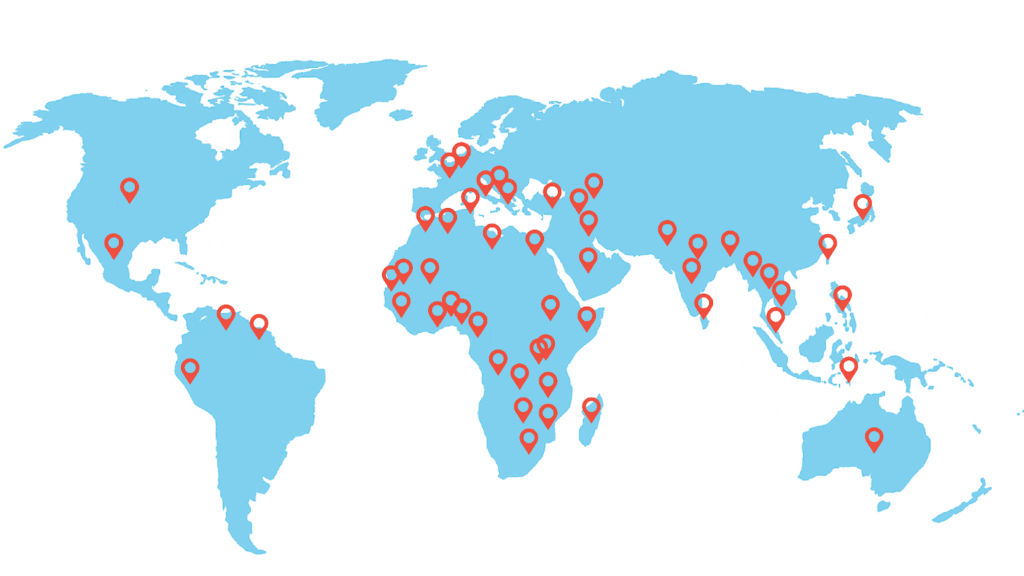
Despite being established only in 2023, GRIT has made significant strides in providing much-needed support to researchers, particularly those from underserved regions. The organization has facilitated international seminars, webinars, and events like the Global Research on Innovation & Transformation in Environment (GRIT Conference), helping scholars build networks, collaborate on research, and contribute to global knowledge-sharing.
What makes GRIT truly unique is its inclusivity. With chapters in 50+ countries, GRIT has built one of the largest and most diverse academic ecosystems, offering scholars from every continent the opportunity to connect, collaborate, and advance their research in ways that were previously unimaginable.
Dr. Ashish Khanal: A Leader Shaped by Adversity
At the heart of GRIT’s success is its founder and CEO, Dr. Ashish Khanal. Born and raised in Nepal, Dr. Khanal faced numerous academic and professional setbacks. Despite these challenges, his resilience and determination have shaped him into a globally recognized academic leader. He is currently ranked among the top 3% of scientists in Environmental Science and Engineering (AD Scientific Index) and has worked with international organizations such as the World Bank.
Dr. Khanal’s journey is a powerful example of how adversity can lead to transformative solutions. His work continues to inspire scholars who face similar barriers to academic success.
 The GRIT Philosophy: Knowledge is Universal
At the core of GRIT’s mission is the belief that every researcher deserves equal access to knowledge and opportunity, regardless of geography or financial capacity. Dr. Khanal’s philosophy is clear: “Knowledge has no borders, and neither should research opportunities.”
This inclusive philosophy drives every aspect of GRIT’s operations. The organization provides free resources, mentorship, and publication opportunities for researchers across the globe, particularly in the Global South. By breaking down the traditional barriers to academic success, GRIT is redefining what a modern research institution can be.
The Future of GRIT
Looking ahead, GRIT’s future is focused on further expanding its global network and continuing its mission to provide accessible academic support. The organization plans to increase the number of collaborative research papers published annually, host more international seminars and workshops, and continue growing its ecosystem of scholars.
Dr. Khanal’s leadership and vision have positioned GRIT as a leader in the global academic community. His commitment to creating a borderless, inclusive research ecosystem is changing the lives of scholars worldwide. As GRIT continues to expand, it will undoubtedly continue to play a pivotal role in shaping the future of global research and education.
Join the Movement
GRIT’s journey is far from over. The organization’s rapid growth and global impact are a testament to the power of resilience, purpose, and a commitment to academic equality. If you are a researcher, scholar, or academic looking for a platform that offers free, high-quality research support, GRIT is here for you.
To learn more about GRIT, explore its training programs, and connect with a global community of researchers, follow their Facebook, YouTube, and LinkedIn accounts. Join the movement today and become part of the global research revolution.
Breaking down academic barriers and empowering researchers worldwide, GRIT offers free, accessible, and transformative academic support.