
Amtrak CEO Stephen Gardner Resigns Amid Federal Pressure and Privatization Push

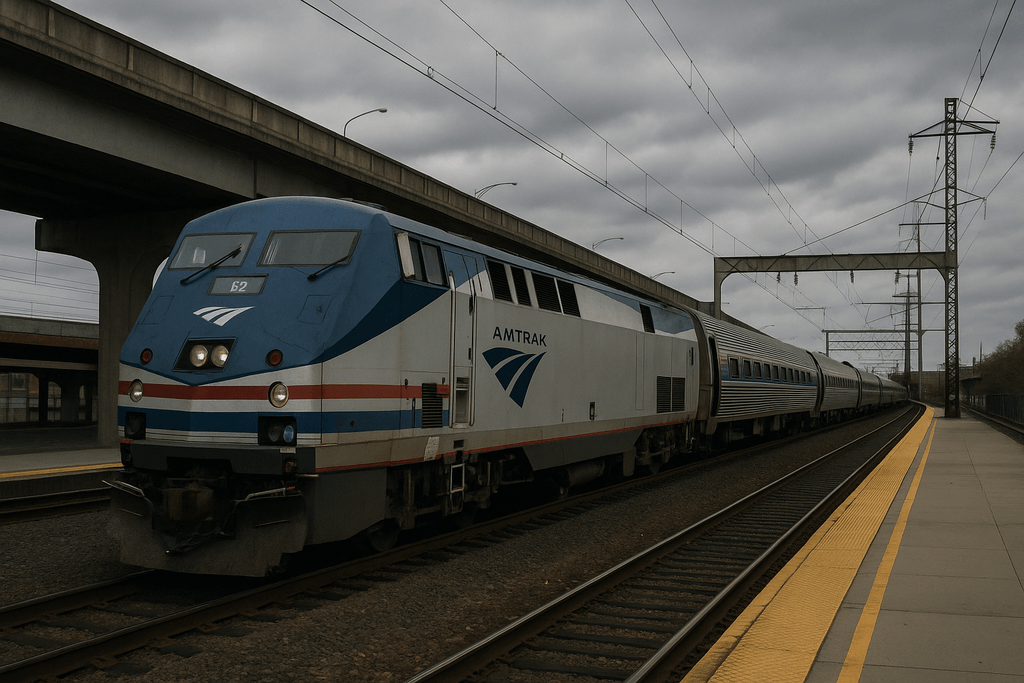
Amtrak Chief Executive Officer Stephen Gardner officially stepped down on March 19, 2025, ending a 16-year tenure with the national passenger rail service amid mounting political pressure and a growing debate over the future of federally funded transit.
Gardner, who had served as CEO since 2022, said in a statement that his resignation was made “to ensure Amtrak retains the full faith and confidence of this administration.” His departure comes as the Trump administration intensifies oversight of federal transportation initiatives, with new leadership signaling a desire to reevaluate priorities, spending efficiency, and strategic direction.
The resignation follows concerns raised by federal officials over Amtrak’s operational strategy, infrastructure modernization, and its multibillion-dollar federal funding requests. While Gardner oversaw significant gains in ridership and revenue—most notably a record-breaking 32.8 million passenger trips and $2.5 billion in ticket revenue in fiscal year 2024—his leadership also attracted scrutiny for what critics viewed as inefficiencies and underperformance at key transit hubs.
Transportation Secretary Sean Duffy has been particularly vocal in demanding improvements in service quality, citing deteriorating conditions at major terminals, including Washington, D.C.’s Union Station. Duffy recently remarked that “federal investment must come with federal expectations,” emphasizing that any future support would be tied to measurable improvements in passenger experience and station cleanliness.
Gardner’s resignation is also occurring against the backdrop of a broader ideological shift regarding Amtrak’s future. Within weeks of the administration’s budget review process, high-profile figures like Elon Musk, now serving as an advisor to President Trump on infrastructure and innovation, openly criticized the company. Musk argued that Amtrak is “ripe for privatization,” calling its current model outdated and suggesting that modern rail innovation should be spearheaded by private enterprise.
These sentiments have gained traction within segments of the Republican-led Congress, who have long questioned the sustainability of subsidized rail operations. While no formal legislation has been introduced to dismantle or privatize Amtrak, sources close to the administration say that exploratory discussions are underway regarding potential public-private partnerships or a structural overhaul of the company’s governance.
Amtrak officials have pushed back against the narrative that federal support is being misused, pointing instead to recent accomplishments. Under Gardner’s leadership, the company launched new rolling stock procurement, expanded state-supported service routes, and advanced several high-speed corridor development projects. The Biden-era Infrastructure Investment and Jobs Act allocated $66 billion for passenger and freight rail—marking the largest such investment in decades—much of which remains earmarked for Amtrak’s long-term capital improvements.
Still, tensions between the company’s ambitions and the Trump administration’s fiscal conservatism appear to have reached a tipping point. Sources familiar with internal discussions say that Gardner’s decision to resign was encouraged by administration officials seeking new leadership that aligns more closely with the president’s transportation agenda.
With Gardner’s exit, Amtrak President Roger Harris will assume interim CEO duties while the company’s board initiates a search for a permanent replacement. Harris, who has overseen commercial operations and customer experience initiatives, is considered a steady hand during what could become a pivotal period of structural change.
The Amtrak board praised Gardner’s contributions in a brief statement, noting that he “played a key role in guiding the company through pandemic recovery and into a new era of growth.” Industry analysts have echoed that sentiment, noting that Gardner’s leadership helped Amtrak not only bounce back from COVID-era ridership declines but also position itself as a key player in the nation’s sustainable transportation future.
Nevertheless, the leadership transition underscores the growing tension between federal expectations and Amtrak’s independent charter as a government-owned corporation. It also raises important questions about the balance between public service obligations and market-driven reforms.
For now, Amtrak’s expansion and modernization plans remain on course under previously approved funding. But with increased political scrutiny and the specter of privatization looming, the future of America’s passenger rail system may depend on how the next CEO navigates the crosscurrents of policy, performance, and public trust.

CEO Times Contributor
Covers leadership, business strategy, entrepreneurship, and the people building innovative companies.
This article features partner, contributor, or branded content from a third party. Members of the CEO Times editorial staff were not involved in the creation of this content. All views and opinions are those of the contributor alone.