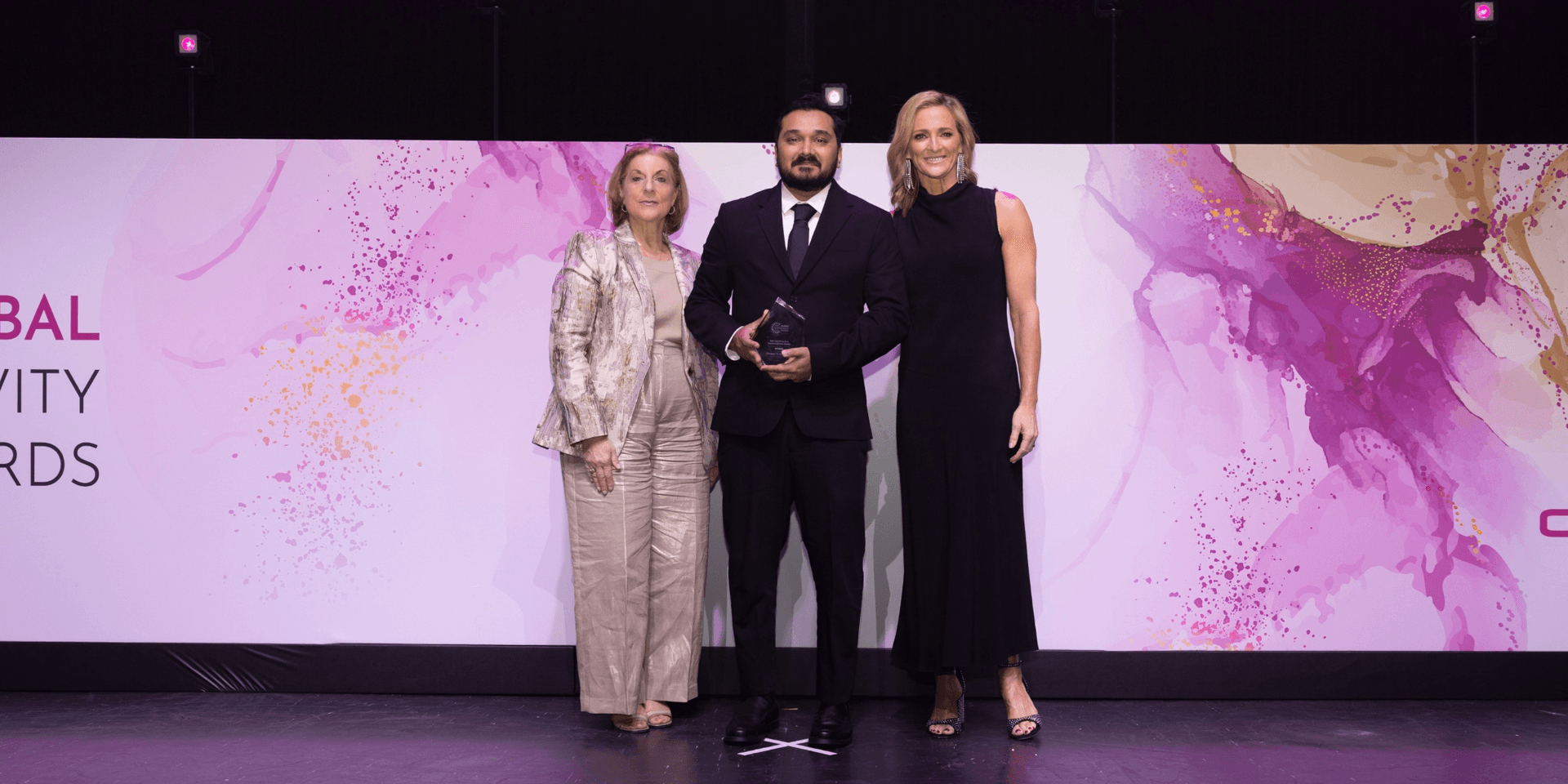
Accelerating Business Growth in 2023: The Global Business Innovation Forum


The Global Business Innovation Forum 2023, held on February 10th at the iconic Marina Bay Sands in Singapore, became one of the most anticipated gatherings for business leaders worldwide. Over 1,000 C-suite executives, entrepreneurs, and innovators convened to discuss cutting-edge strategies designed to accelerate growth, harness new technologies, and stay ahead of market trends. The event was an insightful exploration of the future of business in a rapidly evolving landscape—particularly in light of the ongoing shifts prompted by the pandemic and technological disruption.
Shaping the Future: Key Insights on Innovation and Scalability
The day kicked off with a powerful keynote address from Adrian Lee, CEO of NextGen Ventures, a global venture capital firm specializing in early-stage technology startups. His presentation, “Innovation Beyond Boundaries: Scaling Global Startups in a Digital World,” underscored the importance of embracing digital tools and agile practices to drive sustainable business growth. Lee shared NextGen Ventures’ experience in helping startups successfully pivot during the pandemic by integrating advanced technologies, creating personalized customer experiences, and capitalizing on untapped markets.
“We’ve seen time and time again that businesses today must not only adapt but continuously reinvent themselves,” Lee said. “Agility, scalability, and digital transformation are not just buzzwords—they’re essential to staying competitive in the global economy.”
A key takeaway from Lee’s talk was the realization that successful companies are those that use technology not just to improve their operations but also to create entirely new revenue streams. He shared specific examples of NextGen-backed companies in e-commerce, fintech, and AI sectors, each of which saw accelerated growth due to its ability to leverage technology to meet evolving customer demands. This case study underscored the urgent need for C-suite leaders to rethink traditional business models and implement forward-thinking strategies.
Sustainability as a Competitive Advantage
Among the most noteworthy presentations was Maria Tan, CEO of EcoTech Solutions, who delivered a compelling keynote on “Sustainability as a Competitive Edge.” As the CEO of a company that provides green energy solutions to businesses, Tan’s speech emphasized the importance of aligning business growth with environmental responsibility—a trend that is no longer a corporate social responsibility (CSR) initiative but a strategic imperative.
In her talk, Tan highlighted that sustainability has become a key differentiator for businesses in the post-pandemic era, with consumers and investors alike holding companies accountable for their environmental impact. For instance, she cited the case of a major global retailer that reported a 20% increase in sales after committing to a fully sustainable supply chain, including transitioning to renewable energy sources and reducing waste.
“Consumers and investors alike are demanding that businesses make sustainability a core part of their mission,” Tan explained. “And businesses that embrace this are seeing tangible returns, not just in brand loyalty, but also in increased market share.”
Tan’s emphasis on green technology and energy-efficient solutions resonated with many business leaders looking for ways to incorporate sustainability into their operations while also enhancing profitability. Her insights reinforced the notion that companies that fail to act on sustainability risk losing market relevance, particularly as regulatory pressure and consumer preferences continue to evolve.
Executive Leadership in Times of Disruption: Navigating the New Normal
One of the event’s standout sessions was the highly anticipated panel discussion titled “Leading Through Change: The New Era of Business Leadership.” Moderated by Julia Harrison, a renowned business strategist and author, the panel featured Liam Foster, Chairman of TechnoGlobal, Carla Yates, COO of Vero Commerce, and Robyn Cheng, Founder of Luma Innovations. The discussion focused on how top executives have navigated the shifting landscape over the past few years and provided actionable strategies for future growth.
Foster, who had overseen TechnoGlobal’s digital transformation, shared that his company’s rapid shift to cloud-based technologies and remote work solutions enabled it to maintain productivity and even gain market share during the pandemic. By investing heavily in data analytics and customer relationship management (CRM) tools, the company was able to understand changing customer needs and adapt its offerings accordingly.
“Tech-enabled transformation was a necessity for us, and for every C-suite executive here today,” Foster remarked. “Data-driven decision-making is the foundation for growth in the 21st century. The ability to pivot quickly is no longer a luxury, it’s a requirement.”
Yates, whose e-commerce platform Vero Commerce saw tremendous success during the pandemic, focused on the importance of digital experiences. She outlined how Vero had adapted its platform to create hyper-personalized shopping experiences, utilizing AI and machine learning to optimize product recommendations and customer engagement. This digital-first approach not only helped Vero thrive during the crisis but also set it up for long-term success by fostering customer loyalty and enhancing retention.
“We’re seeing that digital experiences are no longer a ‘nice-to-have,’ they’re expected,” Yates said. “Business leaders need to prioritize investments in technology that deliver exceptional, personalized experiences for customers.”
Cheng, a leader in technology innovation, discussed how Luma Innovations has successfully driven product development and market expansion through cross-industry collaborations and partnerships. She highlighted that strategic alliances in technology and marketing were crucial to her company’s growth during the pandemic.
“Strategic partnerships aren’t just about sharing resources—they’re about creating a shared vision for the future,” Cheng noted. “The value of collaboration in today’s business world cannot be overstated.”
Innovation Speed-Dating: A New Model for Networking and Investment
One of the most innovative features of the event was the “Innovation Speed-Dating” session, where startups had just five minutes to pitch their ideas to a panel of venture capitalists and angel investors. This fast-paced, high-energy format resulted in several investment deals, with SmartGreenTech, a clean energy startup, securing $5 million in seed funding for its breakthrough solar technology aimed at providing affordable energy solutions for emerging markets.
This model of networking proved highly effective, allowing entrepreneurs to present their ideas to multiple investors simultaneously. It also demonstrated the growing trend of investors looking for startups that are not only technologically advanced but also focused on sustainability—reinforcing the shift toward eco-friendly business models that can attract long-term investment.
Behind the Scenes: Streamlining the Experience for Global Attendees
A noteworthy behind-the-scenes effort came from the event organizers, who used cutting-edge event technology to streamline the attendee experience. With participants attending from across the globe, the event incorporated a mobile app that allowed attendees to schedule meetings, access presentations, and even network with fellow leaders in real time. This app created a seamless experience for both in-person and virtual attendees, ensuring that no opportunity for connection or learning was missed.
The event also utilized artificial intelligence to match attendees with similar interests and industries, further facilitating high-quality networking and collaboration opportunities. These efforts proved to be an invaluable tool for the over 1,000 executives in attendance, many of whom left with new partnerships, potential investments, and strategic alliances.
Lasting Impact and Moving Forward
The Global Business Innovation Forum 2023 was more than just a networking event—it was a catalyst for change, propelling businesses toward a more innovative, sustainable, and resilient future. The insights shared by the keynote speakers, panelists, and entrepreneurs set the stage for a year of growth driven by technology, collaboration, and leadership.
For businesses, the takeaway was clear: 2023 is the year for digital transformation, sustainability, and strategic innovation. Executives who attended left with actionable insights and new connections that will help them navigate the complexities of a rapidly changing market. As businesses continue to embrace new technologies, focus on customer-first strategies, and drive sustainability efforts, the impact of the forum will resonate throughout industries for years to come.
The lessons learned at the forum are a reminder that business growth today requires more than scaling operations—it’s about creating resilient, agile organizations that can adapt to change and seize emerging opportunities. For those who attended the Global Business Innovation Forum 2023, the future of business has never looked brighter.

CEO Times Contributor
Covers business, innovation, and leadership, with a particular interest in entrepreneurs and emerging brands.
This article features partner, contributor, or branded content from a third party. Members of the CEO Times editorial staff were not involved in the creation of this content. All views and opinions are those of the contributor alone.