
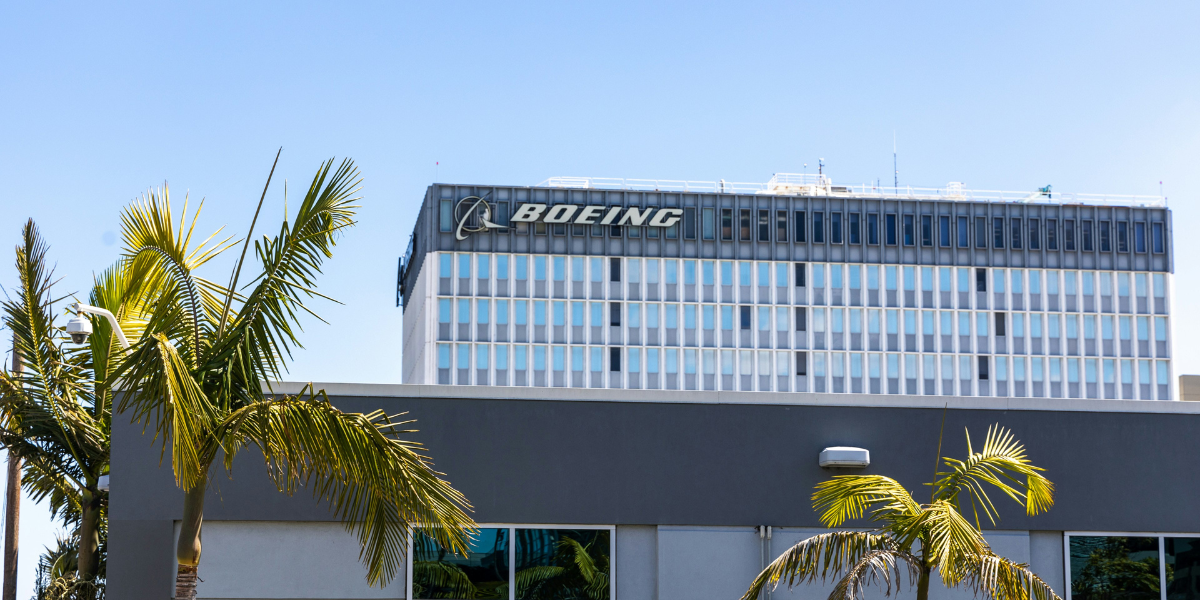
In a significant move reflecting ongoing financial and operational challenges, Boeing announced on October 11, 2024, its plan to reduce its global workforce by approximately 17,000 employees, accounting for about 10% of its total staff. This decision comes amid escalating financial losses and a protracted labor strike that has severely disrupted the company’s production lines.
The layoffs are part of a broader restructuring effort as Boeing contends with a sharp $5 billion loss reported in the third quarter of 2024. This financial downturn is largely attributed to production halts and delivery delays caused by the strike, alongside continued losses in its defense division. Boeing CEO Kelly Ortberg stated that the workforce reduction is a difficult but necessary step to “align with our financial reality” and preserve long-term viability.
Boeing’s ongoing labor dispute has been a critical factor in its recent struggles. More than 33,000 machinists, represented by the International Association of Machinists and Aerospace Workers (IAM), went on strike starting September 13, 2024. This marked the first major labor stoppage at Boeing since 2008. Workers overwhelmingly rejected Boeing’s proposed contract, citing dissatisfaction with wages, benefits, and work conditions. The strike has significantly impacted production of several major aircraft models, including the 737 MAX, 767, and 777, further delaying deliveries and exacerbating the company’s financial strain.
As the labor impasse continues, Boeing also announced a one-year delay in the delivery of its flagship 777X airliner, now expected in 2026. The 777X program has experienced multiple setbacks in recent years, including design challenges, supply chain interruptions, and certification delays. The latest postponement adds to mounting concerns about Boeing’s ability to meet future demand and maintain its competitive edge against Airbus and other global rivals.
The timing of these developments presents a significant challenge for Boeing, which is still recovering from the dual crises of the 737 MAX grounding and the COVID-19 pandemic. Those events led to massive disruptions in the aerospace sector, forcing companies to reassess production timelines and labor needs. Although air travel demand has begun to rebound, supply chain bottlenecks and skilled labor shortages have hindered the industry’s full recovery.
Boeing’s layoffs are expected to affect workers across multiple locations, including its main commercial hubs in Washington state and South Carolina. The company has not released a detailed breakdown of which divisions will see the largest cuts. Analysts suggest the reductions may be concentrated in manufacturing and support roles most directly affected by the production slowdown.
Industry experts warn that Boeing’s current crisis could have ripple effects beyond its own operations. The aerospace giant relies on a vast network of suppliers and contractors, many of whom depend heavily on Boeing’s production volume. A sustained reduction in output or a delay in new aircraft programs could negatively impact these businesses, potentially leading to additional job losses and financial instability in the sector.
Union leaders have condemned the layoffs, arguing that they unfairly punish workers amid a labor dispute that remains unresolved. IAM representatives have reiterated their demands for a fair contract and criticized Boeing’s management for failing to address core issues during negotiations. Talks between the two sides remain ongoing, but no resolution has been announced.
Looking ahead, Boeing’s leadership faces considerable pressure to turn the company around. Restoring labor relations, resuming aircraft deliveries, and rebuilding investor confidence are among the top priorities. The outcome of the strike and the company’s ability to adhere to its revised aircraft delivery timelines will likely determine Boeing’s trajectory in the coming years.