Lean Circularity helps small and medium-sized enterprises adopt sustainable practices that enhance both efficiency and profitability.
In the era of sustainability, businesses of all sizes face a dilemma: how to adopt eco-friendly practices without sacrificing efficiency or competitiveness. Many sustainability frameworks offer idealistic visions, but few provide actionable, real-world guidance. This is where Lean Circularity stands apart. By merging Lean Thinking with the principles of the Circular Economy, Lean Circularity offers a practical manifesto for small and medium-sized enterprises (SMEs) ready to embark on a journey toward sustainable transformation.
A Practical Approach to Sustainable Business Transformation
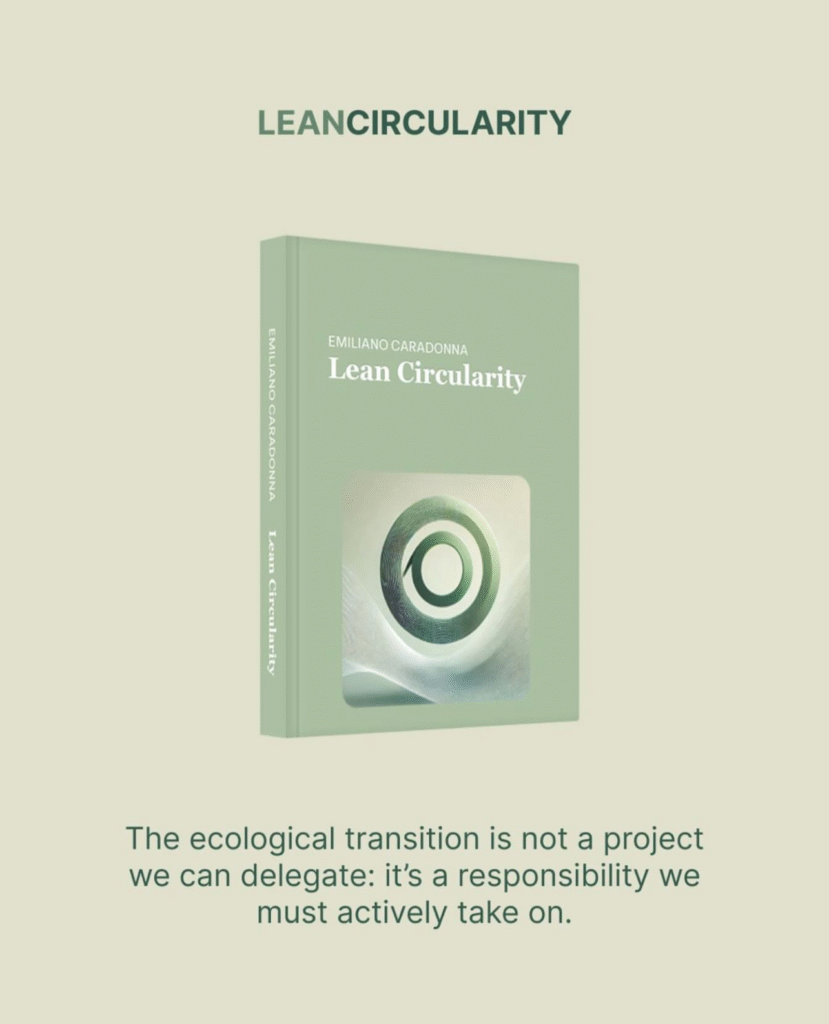
Lean Circularity is not just a book; it’s a methodology designed for businesses seeking tangible solutions to integrate sustainability into their operations. The framework brings clarity to the often-confusing world of sustainable business practices, focusing on practical tools, accessible language, and operational guidance.
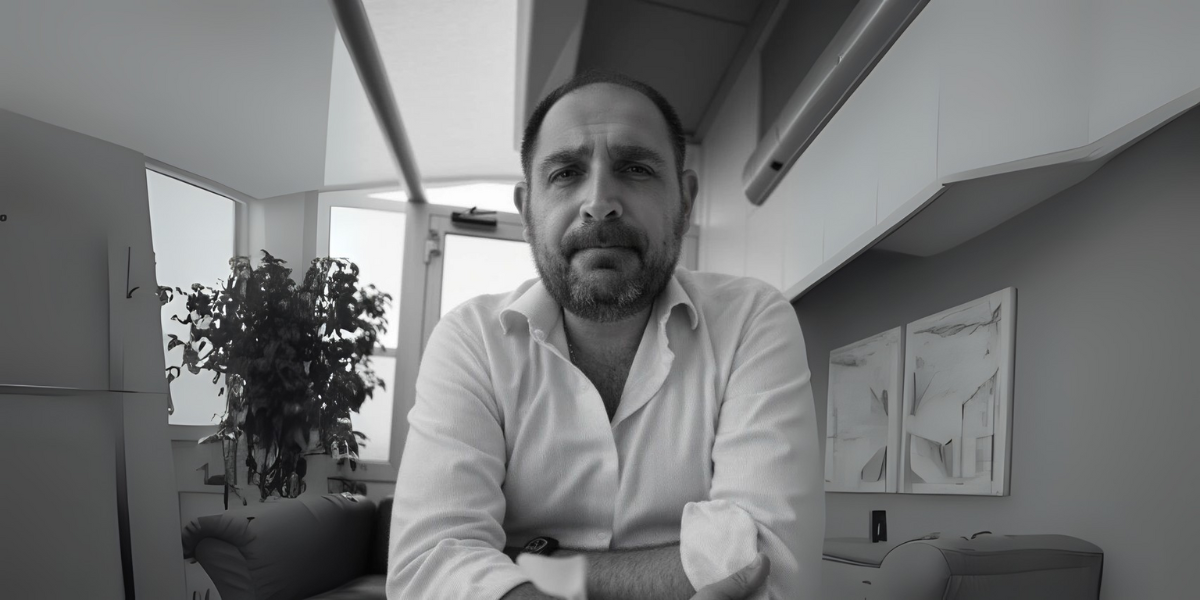
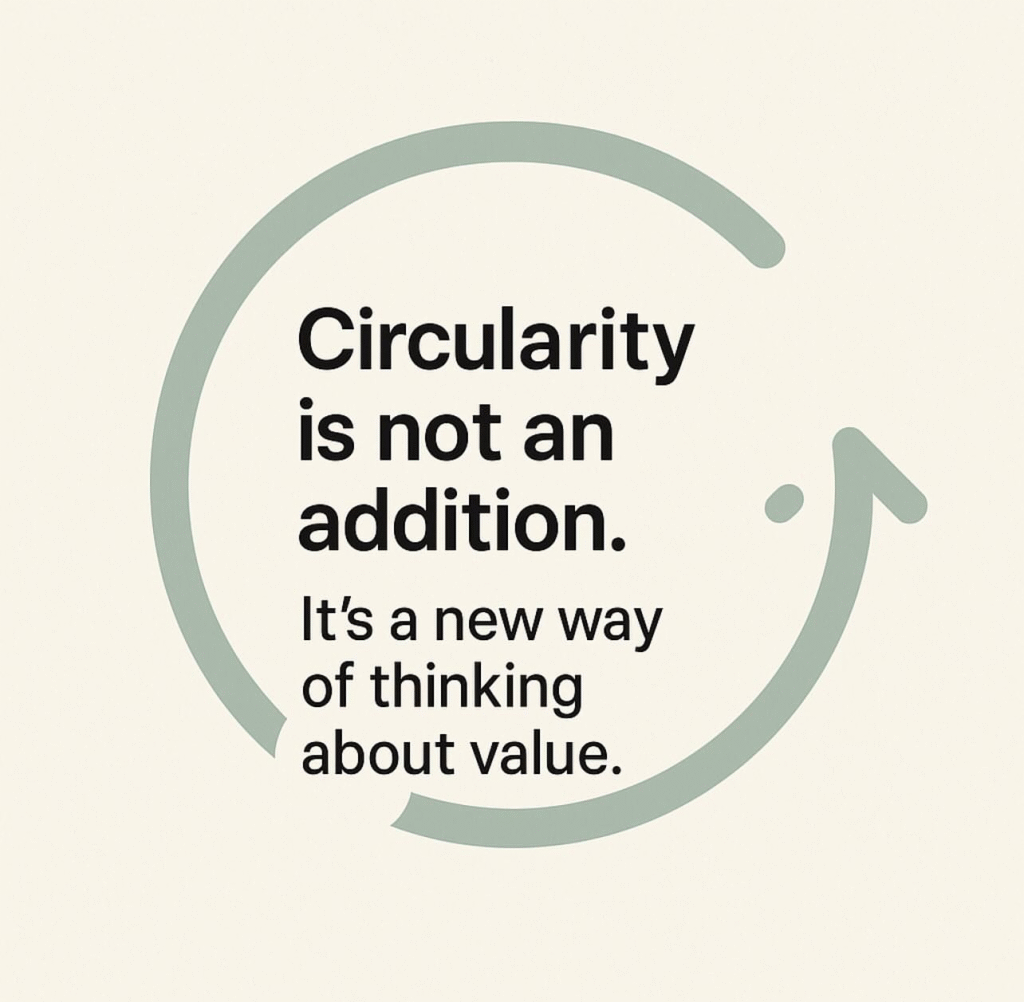
The approach is built on the idea that sustainability doesn’t need to be an expensive or abstract concept for businesses. “Circularity isn’t a fix. It’s a fracture—a strategic inflection point that reshapes everything about how we design, produce, and compete,” says Emiliano Caradonna, CEO and founder of Lean Circularity. This perspective transforms circularity from a buzzword into a fundamental rethinking of business operations that drive real impact.
By combining Lean Thinking, which emphasizes efficiency, with Circular Economy principles, which focus on resource reuse and waste reduction, Lean Circularity offers a unique blend of strategies that empower SMEs to embrace sustainability in a way that is both practical and profitable.
Empowering SMEs for Sustainable Growth
What sets Lean Circularity apart from other sustainability frameworks is its focus on small and medium-sized enterprises. Many frameworks are too theoretical or designed for large organizations with extensive resources, leaving SMEs without clear steps they can take to adopt sustainable practices. Lean Circularity changes that by providing a structured, no-nonsense methodology that makes sustainability actionable on a smaller scale.
For companies worried that sustainability may increase costs or reduce profitability, Lean Circularity offers the reassurance that the shift can be done without compromising on efficiency or competitiveness. The Lean Circularity framework bridges the gap between vision and execution by providing businesses with a clear pathway to adopt circular practices while staying competitive in the marketplace. From redesigning supply chains to reducing waste and improving product life cycles, Lean Circularity provides the tools for companies to integrate sustainability into their daily operations.
A Growing Community of Innovators
Lean Circularity also leads hands-on workshops that allow businesses to put the framework into practice, ensuring that companies not only understand the theory but also have the opportunity to apply it in their own operations.
With sustainability being such a complex and rapidly changing field, ongoing learning and adaptation are key to staying ahead.
From Greenwashing to Actionable Impact
In a world where greenwashing—the practice of exaggerating or fabricating environmental credentials—has become all too common, Lean Circularity stands out by offering a real, tangible, and scalable approach to sustainable business practices. The methodology is designed to be accessible, pragmatic, and rooted in real-world success.
Lean Circularity is now being adopted by executives and has received praise from industry leaders for its ability to translate complex sustainability concepts into actionable steps. Caradonna’s work is shifting the narrative around sustainability, showing that it’s not just an ideal but a strategic advantage for businesses willing to make the leap.
A Framework for the Future
Lean Circularity represents a new wave in sustainable business practices, providing businesses with the tools they need to navigate the complexities of the modern economy while staying efficient and competitive. For SMEs looking to make a meaningful shift toward sustainability, Lean Circularity offers a structured, scalable, and results-oriented approach.
By combining Lean Thinking with Circular Economy principles, Lean Circularity helps businesses create long-term value without compromising on the bottom line. The methodology empowers companies to lead the circular revolution, proving that sustainability and profitability can, and should, go hand in hand.
For more information on Lean Circularity, visit www.leancircularity.com and follow Emiliano Caradonna on Instagram at @emiliano_caradonna.