
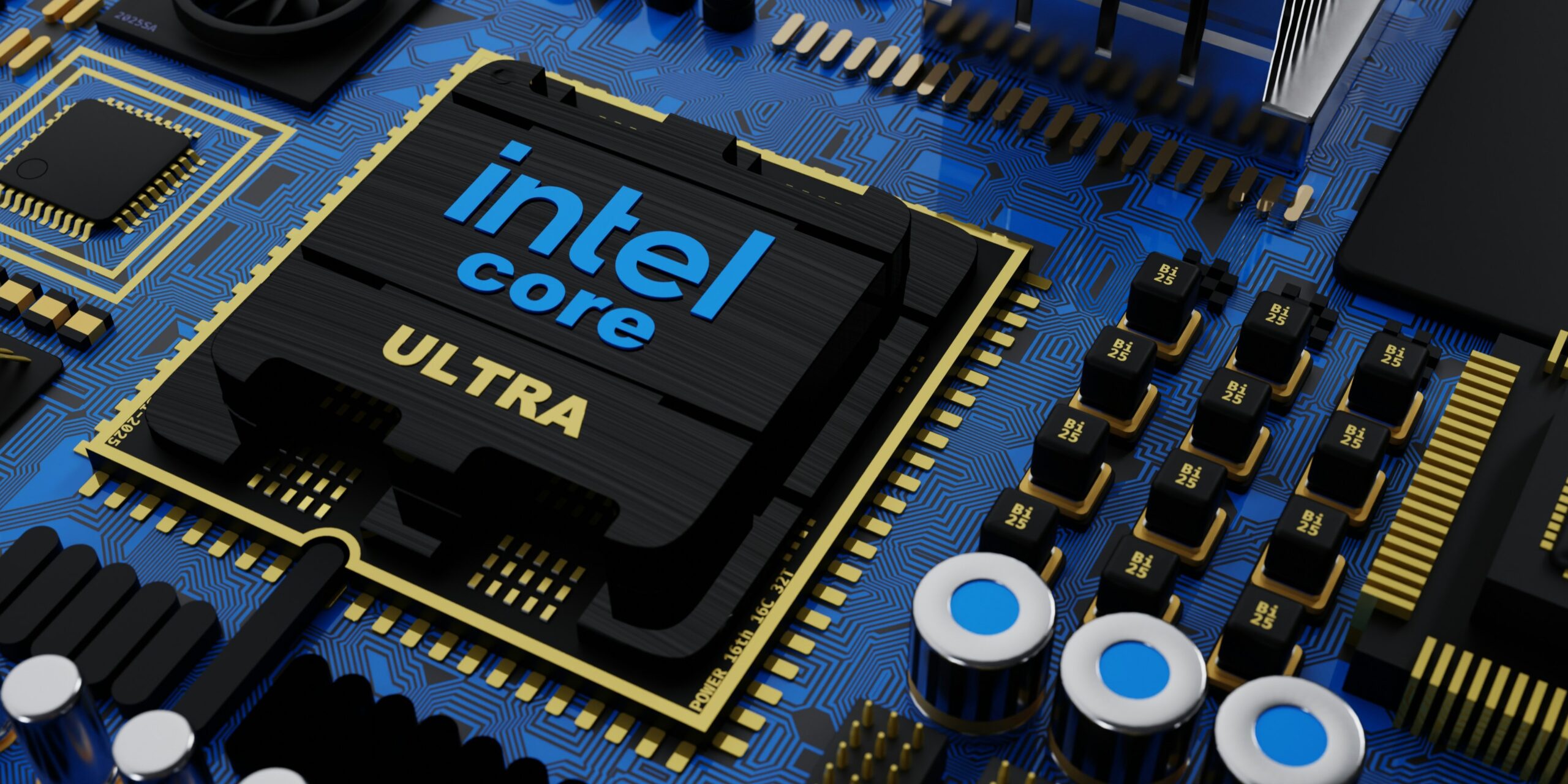
In the wake of Intel’s disappointing Q2 results and sweeping restructuring under CEO Lip‑Bu Tan, corporate leadership across the tech sector is reevaluating long-range strategy. Intel’s second-quarter adjusted loss of roughly $2.9 billion, flat revenue at $12.9 billion, a decision to slash workforce by 15–22%, and cancellations of factories in Europe and Ohio have forced a strategic recalibration. Tan is steering the company toward a demand-driven foundry model, consolidating operations, and requiring CEO approval for critical chip design choices.
Meanwhile, companies that have delivered strong AI-led earnings—such as those in cloud computing, software, and semiconductor sectors like Nvidia and AMD—are commanding premium market valuations. This divergence is prompting executive teams to shift from capital-intensive internal R&D and manufacturing toward leaner, AI-enabled innovation strategies. Many organizations now favor agile structures, cross-functional project teams, and outsourcing partnerships to quickly deploy AI capabilities and respond to market change.
According to the Thomson Reuters 2025 C-Suite Survey, 85% of business leaders view AI as transformational to their organizations over the next five years, and digital transformation ranks as a high priority for 82% of executives. For many, AI integration and operational efficiency now supersede traditional goals like incremental growth or incremental cost savings.
Read also: https://ceotimes.com/intels-strategic-restructuring-and-leadership-changes/
In response to Intel’s retrenchment, enterprises are placing increased emphasis on real-time data and predictive modeling to shape strategic decisions. Rather than following extensive strategic planning cycles, leaders are leveraging AI tools to analyze customer behavior, market shifts, and operational performance—and adjust plans dynamically.
Governance and organizational design are also evolving. With Intel cutting middle management and returning to office protocols, executives are rethinking hierarchy and decision authority to create more nimble governance structures. This trend reflects a broader recognition that speed and adaptability are critical, and that excessive bureaucracy can stifle innovation.
As more enterprises pivot away from heavy internal infrastructure, they increasingly partner with external platforms—outsourcing talent, infrastructure, or development to specialist providers instead of pursuing cost-heavy build-out. These partnerships enable them to scale AI capabilities rapidly, without carrying full capital burden.
Executives are also elevating AI competency at the top of their organizations. Roles like Chief AI Officer (CAIO) are emerging to bridge technology and strategy, facilitating ethical governance, alignment across business units, and data-lit operational excellence.
In summary, Intel’s public misstep has served as a strategic inflection point for the broader industry. Across-sector leadership is consolidating, redefining capital deployment, and deepening adoption of AI-driven decision systems. The emphasis is shifting toward flexibility, risk-managed innovation, and ecosystem alignment, as companies navigate new competitive dynamics in a rapidly evolving AI-powered world.
