
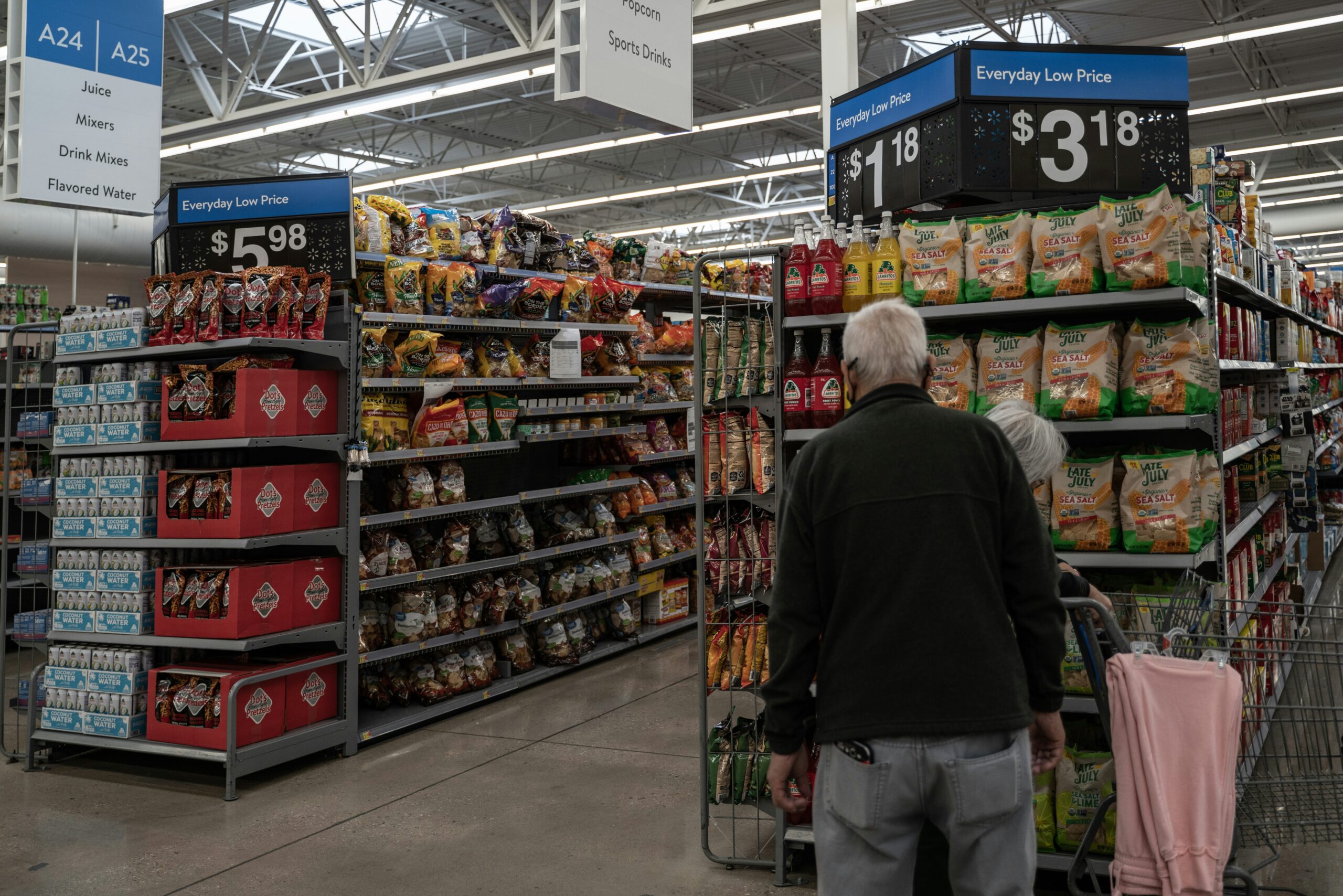
U.S. company leaders are reporting a new consumer mindset: cautious but resilient. Inflation remains a pressing concern, and global uncertainties—such as trade tensions—have nudged shoppers toward value-driven decisions. Executives at Delta, Ralph Lauren, ConAgra, CarMax, and Kroger, speaking during recent earnings calls, described consumers rethinking spending habits—opting for smaller baskets, hunting deals, and cooking at home—while overall demand remains steady.
Delta CEO Ed Bastian noted that traveler behavior has been “incredibly stable,” though people are booking flights closer to departure and delaying plans. At Ralph Lauren, CEO Patrice Louvet emphasized that core product lines continue to perform well, suggesting that consumers are prioritizing staple items and trusted brands even as they moderate spending. Sean Connolly of ConAgra described a noticeable uptick in value-seeking behavior, pointing out that inflation is still running around 4%, with new tariffs potentially adding another 3% to overall costs. CarMax CEO Bill Nash offered a mixed view, stating that while consumers are “less stressed” than they were at the height of economic uncertainty, they still appear cautious—though this has not significantly reduced vehicle purchases. Ron Sargent of Kroger echoed similar themes, observing that customers are visiting stores more frequently but buying less per trip, and showing stronger interest in promotions and home-cooked meal options.
To navigate this new terrain, CEOs are adjusting strategies to align with shifting consumer preferences. Across industries, companies are doubling down on value through discounts, straightforward promotions, and a focus on essential product lines. These moves are meant to resonate with consumers who are watching every dollar and evaluating purchases more critically.
In addition to enhancing value propositions, many businesses are investing in supply chain improvements and cost control initiatives. Streamlining logistics, diversifying suppliers, and refining procurement strategies are central to efforts to blunt the impact of inflation and potential geopolitical disruptions. These steps reflect a broader push for operational resilience and cost transparency.
Another major shift lies in how companies approach demand forecasting. As consumers adapt their behavior—booking travel last-minute, shopping more often but buying less, or delaying major purchases—businesses are adopting more flexible forecasting models. The ability to respond quickly to changes in buying behavior has become essential, especially in industries with long planning cycles or sensitive inventory turnover.
Economic data underscores the ongoing challenges. Inflation, particularly in categories like food, travel, and housing, continues to pressure household budgets. While the overall rate has cooled slightly from earlier peaks, it remains elevated compared to pre-pandemic norms. Deloitte and other economic forecasters warn that these conditions could deepen spending disparities, with lower- and middle-income households disproportionately affected. This is reflected in consumer behavior trends, which show increased reliance on coupons, store brands, and at-home solutions—while higher-income consumers remain somewhat insulated and willing to spend during key sales events.
For companies in retail and consumer packaged goods, this means rethinking product mixes, promotional schedules, and even marketing tone. Travel and service-based businesses must emphasize flexibility and responsiveness, while automotive and big-ticket retailers are leaning on financing options and next-day delivery to close sales amid consumer hesitation.
Despite these headwinds, the overall picture remains steady. CEOs describe today’s consumer as “tentative but resilient”—cautious, but still willing to spend when the value equation makes sense. That’s led many companies to focus on three key areas for the rest of 2025: strengthening value-driven offers, enhancing supply chain efficiency, and maintaining adaptive, agile forecasting systems.
The takeaway is clear: companies that adapt quickly to consumer expectations, control costs strategically, and remain flexible in planning will be best positioned to weather ongoing economic volatility and capture share in a highly dynamic market.